
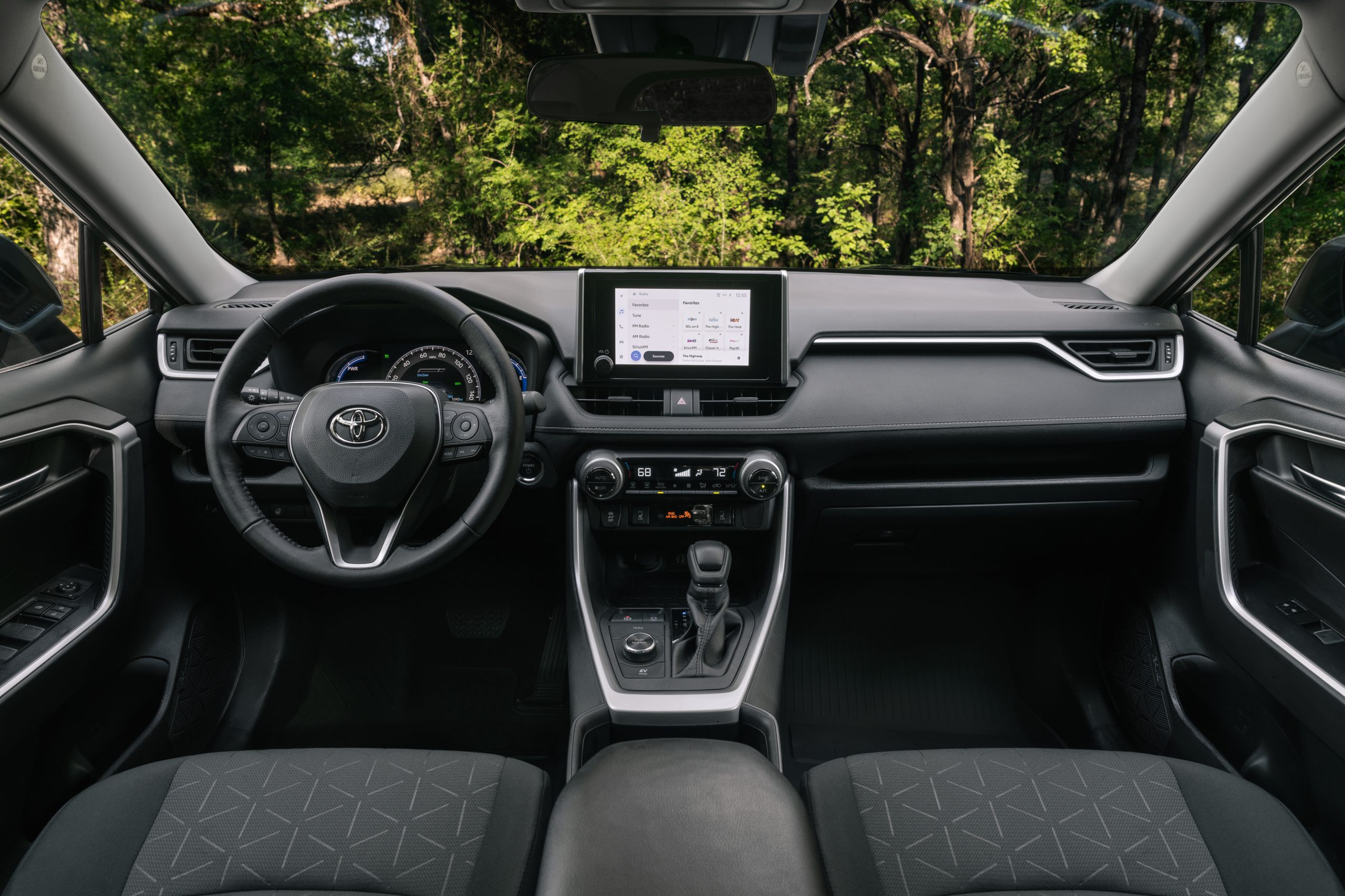
Experts have written extensively about connected vehicles and the risks they pose. However, a lot of individuals remain unaware that their everyday vehicles are transmitting personal data to insurance companies and advertisers. Even those who are aware often opt to take the risk—but not security expert Arkadiy Tetelman. He has recently removed all data senders from his 2024 Toyota RAV4 and shared the method so others can disconnect as well.
Tetelman began his guide with several cautionary notes. He referenced earlier incidents, such as Tesla workers sharing footage of unclothed customers in 2023, along with a more recent vulnerability in Subarus that permitted anyone to remotely unlock vehicles while accessing live and historical GPS data. Anxiety is certainly warranted when the history looks like that.
I won’t recount Tetelman’s blog in detail, but the essence is this: It’s a detailed procedure, though that shouldn’t deter you. He provides all the necessary tools needed for the task on a RAV4 similar to his, and in 13 steps, he outlines how to remove the data communication model. Additionally, he teaches people how to detach the Toyota’s GPS antenna in five steps. Again, you’ll need a few hours to accomplish all this, but you don’t have to be an automotive specialist.
With both the DCM and GPS antenna removed, Tetelman’s SUV no longer transmits location or telemetry information to external parties. It loses features such as over-the-air updates and SOS calling—a safety feature that he intentionally disabled—but that’s primarily the extent of it. Verifying that it’s effective is quite straightforward, as all you need to do is confirm that the vehicle has no internet connection while ensuring the SOS calling indicator is off. You should still have the ability to make and receive calls through CarPlay, as the DCM bypass kit allows the in-car microphone to remain functional for such purposes.
If you want these modifications to serve their intended purpose, avoid using Bluetooth. Connecting wirelessly to your vehicle will cause your phone to send your information to Toyota instead. The fix is simple; you can still link your mobile device via a USB cable.
If you’re worried about your vehicle’s warranty after these alterations, rest assured that they cannot deny claims for components in the powertrain or other unrelated systems due to the removal of the DCM or GPS antenna. Tetelman clarifies this while referencing the Magnuson-Moss Warranty Act.
Most individuals are unlikely to want to dismantle their vehicle to remove these parts, but for those inclined, it is arguably their best option for data privacy. Tetelman cautions, however, that it is expected to become increasingly challenging as manufacturers implement new tactics.
“Unfortunately, I believe it’s only a matter of time before the modem and GPS become more intricately integrated into vehicles (making this blog post impractical), or cars face more severe failure modes when the modem/GPS is removed, or anti-right-to-repair legislation is passed to further restrict this practice,” he stated. “For now, the victory remains—no telemetry exits the vehicle. Strong federal privacy regulations would render posts like this unnecessary; that’s the environment I’d prefer to exist in.”
Have a tip or inquiry for the writer? Reach out to them directly: [email protected]
**How a Security Expert Deactivated the Tracking Features of His Toyota RAV4**
In a time when vehicle tracking systems are becoming more prevalent, worries about privacy and security have led some individuals to seek ways to deactivate these features. One such incident involved a security expert who took the initiative to turn off the tracking functions of his Toyota RAV4. This article examines the techniques he used, the consequences of such actions, and the larger context regarding vehicle tracking technology.
### Grasping Vehicle Tracking Systems
Contemporary vehicles, such as the Toyota RAV4, are frequently equipped with sophisticated tracking systems. These systems offer various functionalities, including GPS navigation, theft recovery, and real-time location monitoring. While these features can improve convenience and security, they also raise privacy issues, as they enable manufacturers and third parties to track vehicle movements.
### The Drive to Disable Tracking Features
The security expert’s choice to disable the tracking functions arose from a quest for enhanced privacy and command over his personal data. Being knowledgeable in cybersecurity, he recognized the potential threats linked to constant monitoring, such as data breaches and unauthorized access to personal data. His objective was to guarantee that his movements stayed private and that he maintained complete control over his vehicle’s functionalities.
### Techniques Used to Disable Tracking
1. **Reviewing the Owner’s Manual**: The initial step involved examining the Toyota RAV4 owner’s manual to comprehend the vehicle’s electronic systems and the specific tracking features installed.
2. **Navigating the Vehicle’s Settings**: Numerous modern vehicles have settings that allow owners to manage tracking features. The expert explored the infotainment system to find and disable any available GPS tracking options.
3. **Disconnecting the Battery**: In certain instances, disconnecting the vehicle’s battery can reset electronic systems. By doing this, he intended to interrupt the connection between the vehicle and the tracking system.
4. **Removing the GPS Module**: For a more lasting solution, the expert contemplated physically detaching the GPS module from the vehicle. This involved locating the module, typically hidden within the dashboard or beneath the seats, and carefully disconnecting it.
5. **Utilizing Signal Blockers**: To inhibit any potential tracking through alternative means, he also investigated the use of signal blockers. These devices can prevent GPS signals from reaching the vehicle, effectively making tracking systems inactive.
### Consequences of Disabling Tracking Features
While disabling tracking features may offer a sense of privacy, it is vital to assess the repercussions of such actions.
– **Warranty Issues**: Altering vehicle electronics can void warranties and result in costly repairs if problems arise later.
– **Safety Concerns**: Disabling tracking features can impede recovery efforts in the event of theft, increasing vulnerability.
– **Legal Implications**: Depending on regional laws, turning off tracking features may carry legal consequences, especially if the vehicle is financed or leased.
### Final Thoughts
The case of the security expert deactivating the tracking functions of his Toyota RAV4 illuminates the persistent conflict between privacy and technology in the automotive sector. While the push for privacy is reasonable, it is essential for vehicle owners to weigh the advantages of tracking features against the possible dangers of disabling them. As technology continues to advance, the discussions surrounding privacy, security, and the role of tracking systems in our vehicles will also evolve.