
In the spring of 2024, Tesla informed the National Highway Traffic Safety Administration that the headlights on approximately 19,900 Model 3 and Model Y cars surpassed the legally permitted maximum brightness by nearly double in the most extreme cases. Instead of rectifying these glaringly bright EVs, the company submitted a petition weeks later arguing that it shouldn’t be required to address the issue because the defect was “minor” in terms of safety.
Well, it took two years, but the federal authorities have responded to Tesla’s petition with a firm “nice try.”
The vehicles in question span model years 2017 to 2023. Central to Tesla’s defense, as detailed in NHTSA’s records of the petition, was the claim that the headlights were excessively bright in certain zones, which were “situated off the roadway both horizontally and vertically, keeping [them] away from the driver’s or other road users’ typical line of sight.” The company also sought to substantiate this through its own study, assessing how the beam appears to an oncoming driver and concluding that other motorists “would not experience glare or distraction from them.”
Another aspect of Tesla’s argument was that no formal complaints had been lodged regarding these headlights prior to the finding. Indeed, NHTSA had no record of any such reports, let alone of harm or injuries. That is, at least until the administration opened the floor to public comments, at which point two individuals came forward. Furthermore, as stated in the decision (embedded below) on Page 8, “The lack of complaints does not imply that vehicle occupants have not encountered a safety issue, nor does it suggest that future safety issues will not arise.”
However, returning to Tesla’s reasoning for why these headlights present no issue. Technically, they are only excessively bright at specific angles that the automaker claims “lie outside the driver’s line of sight.” Yet, a driver’s line of vision is constantly changing based on their surroundings. Approaching one of these Teslas from the opposite side of a steep slope, whether at a peak or in a valley, on a curve or a straight stretch, will ultimately reveal angles that cause complications.
This is before considering adverse conditions. “Certain weather situations like rain, snow, and fog could lead to light from the noncompliant lamps causing veiling glare to the driver or other road users navigating near the vehicle with the noncompliant lamp(s),” the regulator articulates.
Thus, Tesla attempted to evade this issue and was shot down. The company will need to inform all relevant vehicle owners and facilitate free repair or replacement of the faulty components. Moreover, the EV manufacturer is not the only company to engage in this struggle and come out unsuccessful.
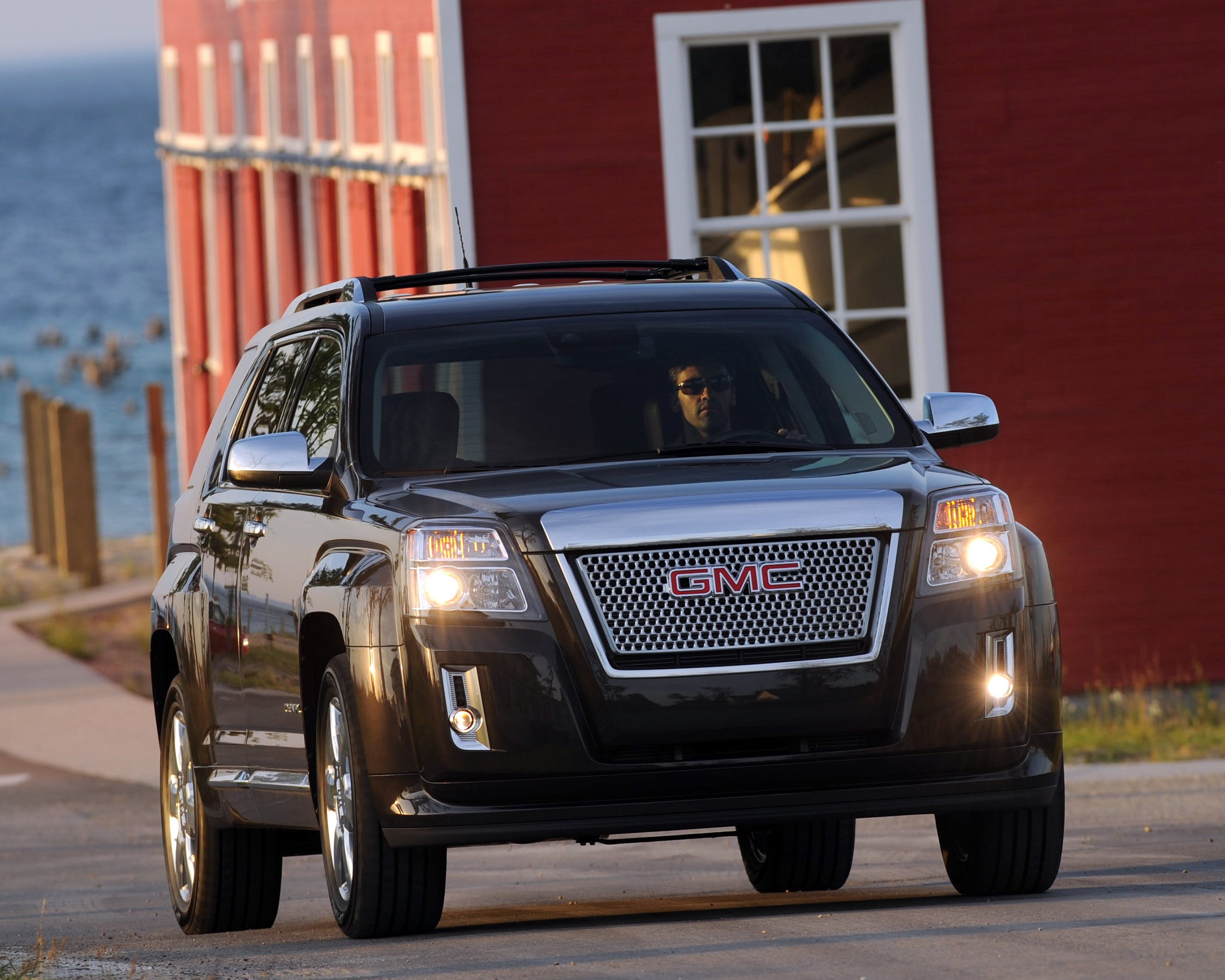
Back in 2022, GM sought to make an analogous case for a significantly larger group of vehicles—around 725,000 GMC Terrain SUVs, to be precise. The headlights on those SUVs exceeded the brightness limit even more than Tesla’s (a detail Tesla surely highlighted to the feds as part of its own petition), yet GM nevertheless unsuccessfully contended that the discrepancy was “insignificant.”
As someone who has experienced difficulties sharing the road with modern cars equipped with LED lights, I acknowledge my bias here, but I’d argue that I’m hardly alone. As highlighted in a Reuters report concerning Tesla’s unsuccessful petition, a recent survey indicated that 6 out of 10 drivers in the U.S. concurred that “glare is a problem after dark,” and three-quarters of them believed this issue has intensified over the past decade.
Automakers will do their utmost to evade a recall and the associated costs of repairing anything. What is particularly irksome about cases like these, however, is the defense they present: that being blinded while driving is “insignificant,” especially at a time when more individuals than ever are voicing the opposite.
Have a tip? Reach out to [email protected]
**Automakers Reject Accountability for Resolving Issues with Overly Bright Headlights**
In recent times, the automotive industry has been under growing scrutiny regarding the use of excessively bright headlights, especially LED and HID (high-intensity discharge) lights. While these technologies improve visibility for drivers, they have sparked concerns about safety for other road users, including pedestrians, cyclists, and operators of oncoming vehicles. As complaints about glare and visibility problems increase, car manufacturers are resisting calls for regulatory changes that would hold them liable for these issues.
### The Increase of Bright Headlights
The rise of bright headlights has been propelled by advancements in lighting technology. LEDs and HIDs emit a brighter, whiter light compared to conventional halogen bulbs, enhancing visibility for drivers during night-time and adverse weather. However, this heightened brightness can produce considerable glare for other road users, raising safety concerns. Research has demonstrated that excessive glare can hinder night vision and elevate the risk of accidents.
### Industry Reaction
Automakers assert that the obligation to resolve issues related to excessively bright headlights should not rest solely with them. They argue that the technology is engineered to meet safety standards and enhance visibility, contending that the problem arises from improper installation, misalignment, or misuse by consumers. Many manufacturers stress that they provide guidelines for appropriate headlight usage and maintenance, advocating for driver education to alleviate glare complications.
### Regulatory Obstacles
As complaints about bright headlights have surged, various advocacy groups and lawmakers have urged for stricter regulations on headlight brightness and alignment. Some states have even proposed legislation aimed at capping headlight brightness or mandating manufacturers to adopt technology that automatically adjusts headlight intensity according to driving conditions. Nonetheless, car manufacturers have opposed these proposals, arguing that they could hinder innovation and limit consumer choices.
### Technological Alternatives
In light of escalating concerns, some vehicle manufacturers are investigating technological alternatives to lessen glare from bright headlights. Adaptive headlight systems, which modify the direction and intensity of headlights based on vehicle speed and steering angle, are becoming increasingly prevalent. These systems aim to deliver optimal lighting without dazzling other drivers. However, the deployment of such technologies can be expensive and complicated, leading to further discussions within the industry about who should shoulder the financial responsibility.
### Consumer Views
Consumer perspectives on bright headlights are varied. While numerous drivers value the improved visibility afforded by modern lighting technologies, others voice irritation over the glare and discomfort caused by oncoming vehicles. Advocacy organizations representing vulnerable road users, such as pedestrians and cyclists, have been vocal about the necessity for action to tackle the safety threats linked to excessively bright headlights.
### Conclusion
The discourse surrounding excessively bright headlights underscores the tension between technological progress and road safety. As automotive manufacturers persist in innovating in lighting technology, the challenge remains to reconcile the advantages of enhanced visibility with the imperative to safeguard all road users against the hazards of glare. While automakers currently resist accepting responsibility for addressing these concerns, ongoing dialogues involving stakeholders—including manufacturers, regulators, and advocacy groups—will be essential in determining the future of automotive lighting regulations.