
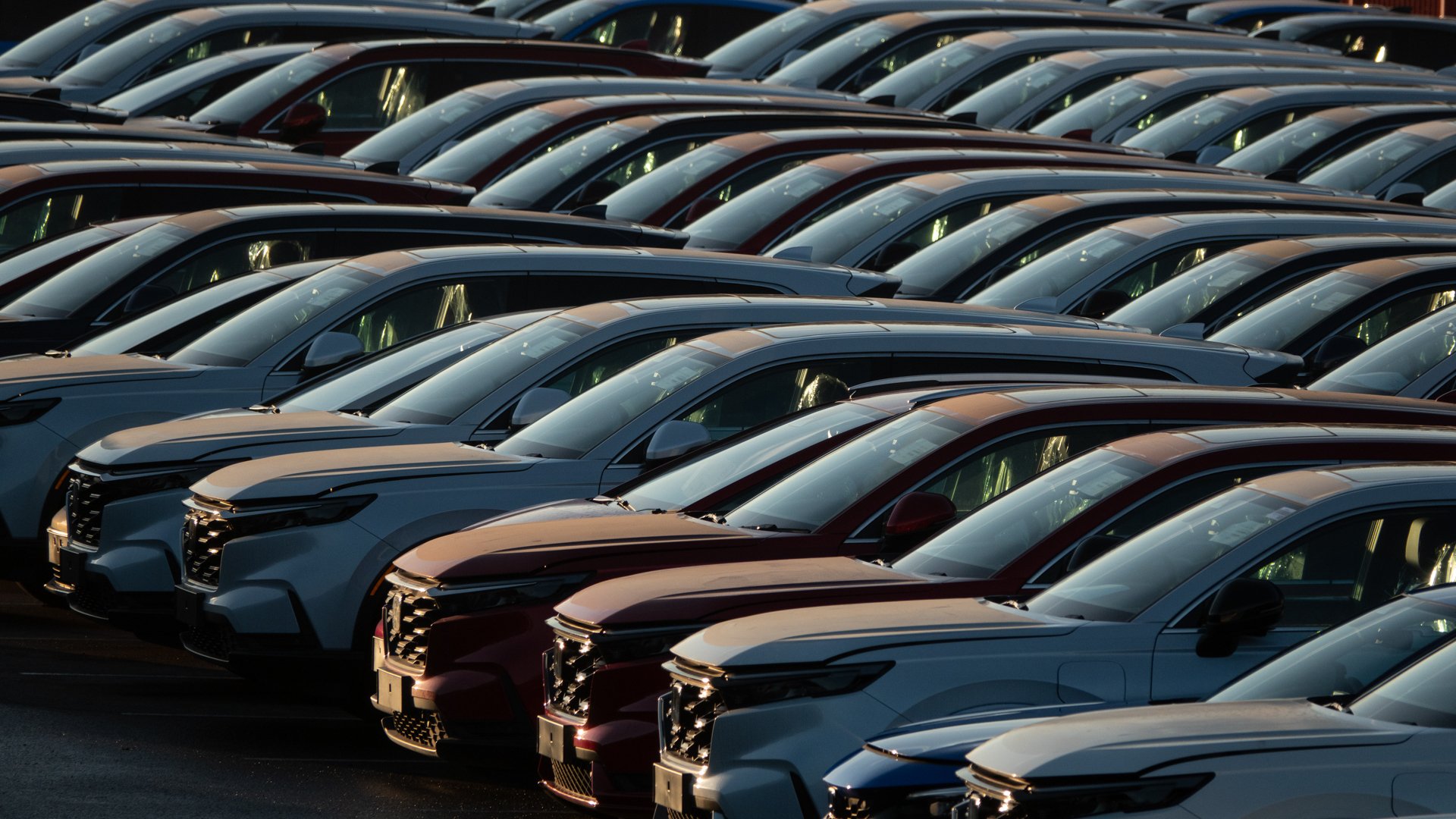
new vehicles are becoming costly. By late last year, transaction prices reached an average of $50,000 and have remained around that figure since. Additionally, a recent analysis shows that those seeking relief in the used car sector are finding it increasingly elusive.
According to a report from Edmunds, genuinely affordable used cars are diminishing in availability, compelling cost-sensitive buyers to opt for older vehicles with greater mileage. Researchers have determined that used cars priced between $10,000 and $15,000 are now nearly nine years old, averaging about 98,000 miles. While the average age of cars on U.S. roads has indeed increased, this is still four years older than the average used car within the $10,000-$15,000 range in 2019, which had 40,000 fewer miles.
This comes as a result of what Edmunds aptly describes as a “remarkable” transformation in the used-car market. In Q2 2019, used cars selling for under $20,000 constituted 55.2% of that market, but this dropped to 31.8% by Q2 2026. The proportion of cars sold for under $15,000 declined from 31.6% in 2019 to 17.8% in 2026. Meanwhile, the share of used cars sold for $50,000 or more nearly increased fourfold, from 2.3% in 2019 to 8.3% in 2026.
Such a transformation is supported by robust demand for used cars—even at elevated prices. As per Edmunds, the average transaction price for a three-year-old used car in Q2 2026 was $32,461. This marked a record high for that quarter, reflecting a 4% increase from the same period last year and a 15.5% rise from Q2 2021, when pandemic-related supply shortages began to artificially inflate used-car prices. Notably, three-year-old used cars sold just as rapidly in Q2 2026 as in Q2 2025, averaging 38 days on dealer lots in both instances. The duration vehicles stay on lots is a key industry metric for sales velocity.
As highlighted by Edmunds, the persistent increase in used car prices since the pandemic is largely due to a shortage of used inventory. This challenge will likely continue for those in the used-car market, as even the relatively brief production pauses prompted by the pandemic resulted in many vehicles never being manufactured, creating a limited selection of used options.
The consistent sales pace of three-year-old used cars indicates that buyers are not deterred by rising prices. Given the current circumstances, it would indeed appear unrealistic to anticipate a significant decrease in used-car prices soon. Buyers have not yet reached a breaking point…
**The Average Used Car Priced Between $10,000 and $15,000 Now Nears 100,000 Miles**
In recent times, the used car market has undergone notable changes, especially concerning the pricing and mileage of cars available to buyers. As of 2023, statistics indicate that the average used car priced between $10,000 and $15,000 is now nearing the 100,000-mile threshold. This trend presents significant considerations for both buyers and sellers in the vehicle market.
**Market Dynamics**
The rise in used car prices can be linked to several factors, including supply chain issues, semiconductor shortages, and heightened demand for affordable transportation options. The COVID-19 pandemic intensified these challenges, resulting in a shortage of new vehicles and driving many consumers into the used car market. Consequently, prices have surged, with numerous cars in the $10,000 to $15,000 bracket now exhibiting higher mileage compared to earlier years.
**Implications for Buyers**
For potential buyers, the increasing mileage of used cars in this price range offers both prospects and challenges. On the one hand, vehicles nearing 100,000 miles can still provide dependable performance, particularly if they have been properly maintained. Many contemporary vehicles are engineered to last well beyond this mileage, and buyers may find value in a well-documented service history.
However, higher mileage typically accompanies greater wear and tear, which could lead to possible maintenance concerns. Buyers should be meticulous in conducting exhaustive inspections and procuring vehicle history reports to evaluate a car’s condition prior to purchase. Furthermore, contemplating extended warranties or service contracts may be wise for those investing in higher-mileage vehicles.
**Seller Considerations**
For sellers, comprehending the current market dynamics is vital. With average mileage close to 100,000 miles, sellers may need to modify their pricing strategies. Being transparent about a vehicle’s condition, maintenance records, and any repairs completed can foster trust and potentially warrant a higher asking price. Sellers should also prepare for bargaining, as buyers might be more hesitant to commit to higher-mileage vehicles.
**Future Trends**
As the automotive landscape continues to shift, the trend of elevated mileage in the used car market is expected to persist. With ongoing supply chain troubles and evolving consumer preferences, the demand for used vehicles will remain robust. Additionally, the increasing prevalence of electric vehicles (EVs) and hybrid varieties may shape the market, as consumers look for more fuel-efficient choices that could also affect resale values and mileage expectations.
In summary, the average used car priced between $10,000 and $15,000 nearing 100,000 miles reflects wider trends in the automotive sector. Both buyers and sellers must navigate this environment with insight and strategy to make knowledgeable choices. As the market evolves, staying informed about vehicle conditions, maintenance, and market dynamics will be critical for all participants.