Ionna CEO Declares That EVs Will Face Challenges in Thriving Without Lucrative Charging Options

Ionna CEO Declares That EVs Will Face Challenges in Thriving Without Lucrative Charging Options

charging an EV in the United States is quite chaotic. Industry leaders have been candid about this issue. So much so that seven of the largest automakers globally came together to form a partnership named Ionna to address the challenge and establish a national charging network. A year later, Toyota joined, bringing the total to eight. However, this initiative goes beyond merely selling EVs; it’s a new avenue for business diversification.

In an interview on The Drivecast, Ionna CEO Seth Cutler remarked, “This is a for-profit business.” The focus here is on EV charging.

You can listen to the entire discussion starting from the point where Cutler talks about Ionna’s need to achieve profitability below.

“We understand that the company needs to reach financial independence and profitability over time,” Cutler stated. At present, Ionna is funded by a confidential sum invested by BMW, Mercedes, GM, Honda, Hyundai, Kia, and Stellantis, with Toyota joining the initiative a year later.

Eventually, the funding will cease, and Cutler, who has dedicated most of his career to the EV charging and energy sector, is aware of this reality.

Cutler mentioned, “Infrastructure has to operate for profit or it won’t endure; if it doesn’t survive, EVs won’t succeed either.”

The strategy for achieving profitability and scale has been multifaceted, including various collaborations with Circle K, Wawa, Sheetz, and Casey’s.

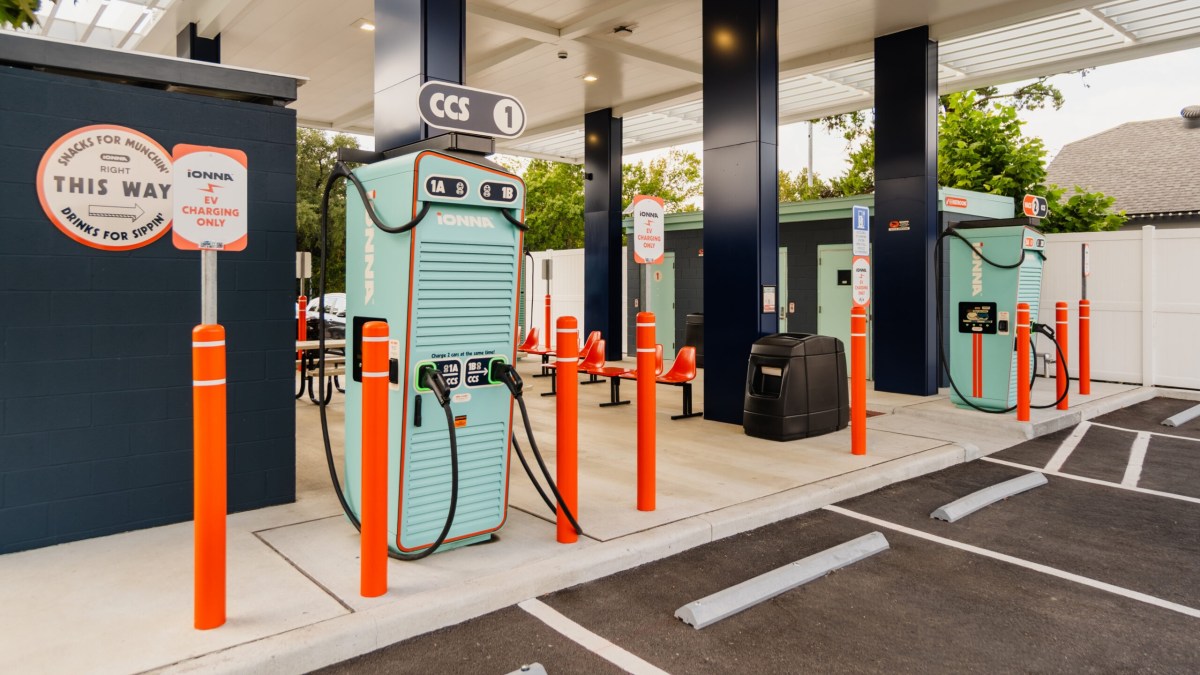
In addition to partnerships, Cutler explained, “Right from the start, we decided to make some investments and plant seeds for future opportunities. We’ve purchased land at multiple sites; we’ve developed our own facilities equipped with vending machines, restrooms, and advanced technology like Amazon Just Walk Out; we’ve secured ground leases on parcels of land that allow us to expand later, add buildings, or find co-tenants. These projects are in the planning phase, but we haven’t prioritized them yet because it’s easy for an organization to get sidetracked and lose focus on driver satisfaction and charging efficiency at scale. However, we anticipate that by 2027, 2028, or later, we’ll start dedicating resources to explore additional ways to monetize or enhance value for drivers through our unique offerings. But that isn’t currently our priority.”

Ionna is not the only entity striving to create a nationwide system of EV fast chargers comparable to Tesla’s Supercharger network. Rivian Founder and CEO RJ Scaringe is making parallel moves, although his approach is somewhat broader than Cutler’s. Even with the launch of the R2 and heightened interest in the upcoming R3X, a significant focus is placed on establishing the Rivian Adventure Network (RAN). As of this summer, the Rivian Adventure Network was slightly smaller than Ionna’s current network and represents about 4% of Tesla’s Supercharger network.

Currently, Cutler has been clear about the way ahead, stating, “My aim is to triple the network size this year from the 80 we started with at the year’s beginning. This scale isn’t fully reflected in what people see because we’re progressing at such a rapid pace right now,” he noted.

Have a scoop? Contact us at [email protected]

Add The Drive as a preferred source on Google to see more of our reports.


**Ionna CEO Asserts EVs Will Face Challenges Without Profitable Charging Solutions**

The electric vehicle (EV) market has seen remarkable growth recently, fueled by technological advancements, environmental concerns, and governmental incentives. Nonetheless, as the industry progresses, challenges persist, especially regarding charging infrastructure. Ionna, a notable player in the EV landscape, has recently garnered attention with remarks from its CEO about the sustainability of electric vehicles without profitable charging options.

### The Present Condition of EV Charging Infrastructure

As interest in electric vehicles continues to expand, so does the necessity for a resilient and efficient charging framework. At present, charging stations are frequently perceived as a hindrance to widespread EV adoption. Numerous consumers voice concerns about the accessibility and convenience of charging alternatives in comparison to conventional gas stations. This predicament is worsened by the fact that many charging networks operate at a deficit, heavily depending on subsidies and investments to sustain their operations.

### The CEO’s Viewpoint

The CEO of Ionna has stressed that for the EV industry to flourish, there must be a transition towards profitable charging solutions. This viewpoint underscores a vital element of the EV ecosystem: the economic sustainability of charging networks. As per the CEO, without viable revenue frameworks, the growth of charging infrastructure will halt, ultimately impeding the advancement of electric vehicle adoption.

### Key Obstacles Confronting Charging Solutions

1. **Elevated Operational Expenses**: Setting up and managing charging stations entails substantial costs, including installation, electricity, and upkeep. Many operators find it difficult to meet these expenses, resulting in a search for external funding.

2. **Competition with Gasoline**: Conventional fuel stations benefit from established supply chains and customer behaviors. EV charging options must not only match the convenience of gas stations but also provide competitive prices to draw users in.

3. **Technological Adaptability**: As the EV market diversifies, charging solutions must evolve to accommodate various vehicle types and charging standards. This necessitates investments in technology and infrastructure capable of servicing a wide array of EVs.

4. **Consumer Education and Awareness**: Many prospective EV customers remain unaware of the charging possibilities available to them. Effective marketing and education concerning the advantages and convenience of EV charging are crucial for boosting adoption rates.

### Possible Solutions for Profitability

To overcome these challenges, the CEO of Ionna proposes several strategies that might facilitate profitable charging solutions:

– **Collaborations with Businesses**: Partnering with retail and commercial entities to set up charging stations can create a mutually beneficial situation, helping businesses attract customers while enabling charging networks to access prime locations.

– **Subscription Models**: Introducing subscription-based services for regular users can generate a consistent revenue stream, making charging more predictable and affordable for consumers.

– **Dynamic Pricing**: Implementing dynamic pricing strategies based on demand can assist charging networks in maximizing revenue while incentivizing off-peak usage.

– **Government Support**: Advocating for policies that promote the expansion of charging infrastructure can alleviate some financial burdens on operators and encourage private investment.

### Conclusion

The future of electric vehicles depends not just on advancements in vehicle technology but also on developing a sustainable and profitable charging framework. The insights from Ionna’s CEO highlight the necessity of tackling the economic viability of charging solutions to ensure the long-term success of the EV sector. As industry stakeholders strive toward innovative strategies, collaboration among automakers, charging networks, and government bodies will be essential in shaping a future where electric vehicles can prosper.