
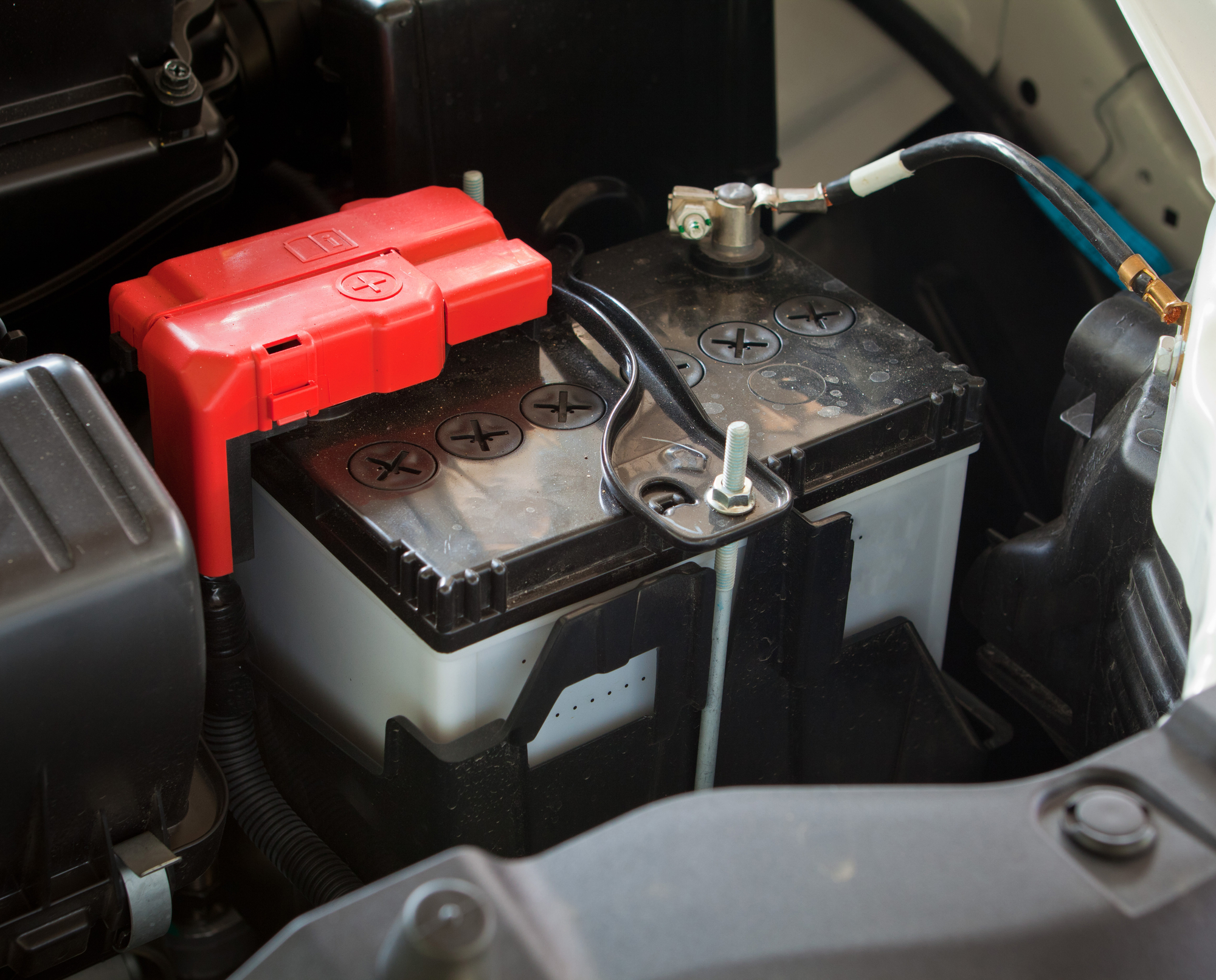
Proper disposal of used automotive batteries is crucial. Whether they’re lead-acid or advanced lithium-ion types, batteries contain harmful and potentially flammable substances that can leak if mishandled. Three recent occurrences nationwide demonstrate that not everyone is aware of this issue.
Last Friday, a garbage truck in Rio Bravo, Texas, suffered damage after a trash container filled with car batteries was dumped into it, as reported by the Laredo Morning Times. A city representative informed the newspaper that the damage to the truck was “considerable,” but did not elaborate, instead emphasizing the need for a specialized mechanic to service the truck, anticipating potential interruptions in trash collection while repairs were underway.
Garbage trucks compact their loads using large hydraulic mechanisms. This becomes problematic when batteries are involved, as crushing them can leak chemicals that may ignite and cause fires.
This exact situation occurred earlier this week in Roseville, California. On Wednesday, city officials in the Northern California location, near Sacramento, released footage of lithium-ion batteries igniting in the back of a garbage truck. They urged residents to avoid discarding these batteries in the trash. Fire authorities in Sacramento informed a local CBS News affiliate that these fires can emit toxic fumes and develop rapidly.
“Once a lithium-ion battery bursts inside a trash truck, the chain reaction occurs so swiftly and violently that it causes the fire to escalate very quickly,” stated Justin Sylvia from Sacramento Fire.
On the same day Roseville released its public service announcement, Troy, Michigan’s fire department reported a garbage truck fire attributed to lithium-ion batteries. The driver unloaded the truck’s contents to prevent the fire from spreading from the bin to the truck, per a Facebook post. Firefighters discovered a lithium-ion battery among the debris while extinguishing the fire and deemed it the source.
Incidents of this nature are not new—Gothamist highlighted a series of battery fires in New York City garbage trucks in 2024—but the occurrence of three such events in a single week is definitely alarming. To avoid contributing to such news stories, always dispose of car batteries at designated recycling sites like automotive shops and hazardous waste drop-off centers. There’s a reason batteries carry that symbol of a small trash can with a line through it.
**Mismanagement of Car Batteries in Waste Bins Results in Garbage Truck Damage**
The mismanagement of car batteries in common waste poses significant threats not only to the environment but also to the infrastructure of waste management systems, especially garbage trucks. Car batteries, mainly lead-acid types, contain hazardous materials such as lead, sulfuric acid, and other toxic substances that can inflict serious harm if improperly handled.
**Environmental Consequences**
When car batteries are tossed in landfills, they can leak harmful substances into the soil and groundwater. Lead, a potent neurotoxin, can taint water supplies, presenting health dangers to humans and animals. Sulfuric acid can also deteriorate soil and harm local ecosystems. The environmental repercussions of improper disposal extend beyond immediate contamination; they can influence agricultural productivity and biodiversity over the long term.
**Garbage Truck Damage**
Garbage trucks are not built to accommodate hazardous materials like car batteries. When these batteries are unintentionally collected with regular waste, they can inflict considerable harm to the trucks. The weight of a car battery can impose mechanical stress on the vehicle, while the corrosive nature of the battery’s contents can damage the truck’s interior and hydraulic systems. This may lead to expensive repairs and increased downtime for maintenance, ultimately affecting the effectiveness of waste collection services.
**Worker Safety Risks**
The presence of car batteries in waste also introduces safety hazards for waste management personnel. During the collection and sorting process, workers may encounter toxic materials if a battery leaks or bursts. This exposure can lead to severe health issues, including respiratory complications and skin irritations. Additionally, the threat of fire or explosion escalates when batteries are crushed or punctured during waste compaction.
**Regulatory Actions and Solutions**
To reduce the dangers associated with improper disposal of car batteries, various regions have enacted regulations mandating recycling or proper disposal of hazardous waste. Battery recycling initiatives encourage consumers to return used batteries to designated collection locations, like automotive retailers or recycling facilities. These initiatives not only avert environmental contamination but also facilitate the recovery of valuable materials, decreasing the need for new resource extraction.
Public awareness campaigns play a vital role in educating consumers about the perils of improper battery disposal. By informing the public about the environmental and safety risks, along with available recycling alternatives, communities can strive to minimize the incidence of car batteries in typical waste.
**Final Thoughts**
The improper disposal of car batteries in trash presents a multifaceted challenge that affects the environment, damages garbage trucks, and poses safety risks for workers. By promoting responsible disposal practices and improving recycling programs, communities can safeguard both their waste management infrastructure and the environment. It is crucial for consumers to recognize the significance of proper battery disposal and to ensure that hazardous materials are managed safely and responsibly.