
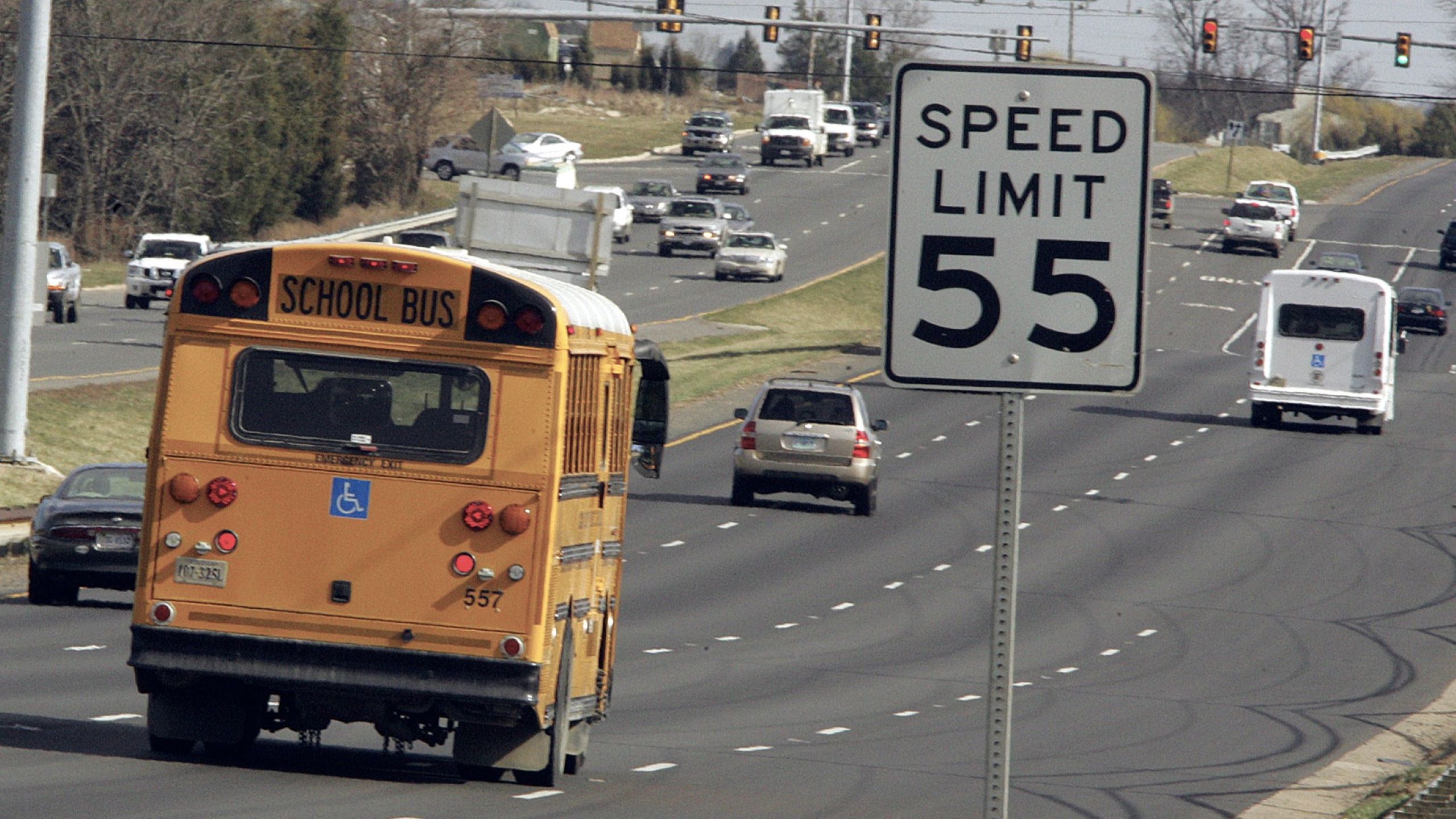
Driving at high speeds and using a phone are both perilous and commonplace. Even if drivers are aware of the regulations and penalties, they often partake in both activities, and a recent study by the Insurance Institute for Highway Safety (IIHS) indicates that they frequently do so simultaneously.
“Up to this point, safety authorities assumed that drivers primarily used their cellphones at lower speeds,” stated IIHS president David Harkey in a press release regarding the study. “However, data from safe-driving applications from insurance companies reveal that, in smooth traffic, the contrary is accurate.”
These insurance applications, which offer potential savings to drivers who participate and demonstrate what the insurance considers safe driving, provided “more detailed insights into driver behavior” than was previously accessible, according to the IIHS, which is supported by the insurance sector. These applications utilize a phone’s sensors and GPS to monitor speed, sharp acceleration and deceleration, as well as record location and time of day. Phone usage was inferred from “notable rotation” detected by the phone’s gyroscope while the screen was active, while speeding was established by correlating GPS data with a speed-limit database.
Researchers examined nearly 600,000 journeys taken from July to October 2024 across all U.S. states except Alaska, California, Hawaii, and New York. Only trips lasting a minimum of 18 minutes (including at least two minutes on an interstate highway) were considered. Because the research concentrated on behavior in unimpeded traffic, instances of driving 5 mph or more below the posted limit were excluded.
Through this dataset and methodology, the researchers discovered that phone use increased by 12% for every 5 mph drivers exceeded the speed limit on limited-access highways. On other roads, this increase was lower—3%—for every 5 mph over the limit. This is likely due to the need for drivers to react more frequently to traffic signals, intersections, and stop signs on these roads, as noted by the IIHS.
In the analyzed journeys, drivers were also more inclined to use their phones on roads with elevated speed limits. On limited-access highways with a 70-mph limit, there was a 9% greater increase in phone use for every 5 mph over the limit compared to similar roads with a 55-mph limit. For other roads, the increase in phone usage was 3% higher (again, per 5 mph over the posted limit) on roads where the limit was set at 45-50 mph than on roads with a limit between 25 and 30 mph, and 7% greater on roads with a 55-mph limit.
Several potential factors could be influencing this trend, according to the IIHS. Drivers who take more risks may not make distinctions when it comes to this type of behavior. Stress—previously linked to both increased phone usage and speeding in earlier studies—may also play a role. Furthermore, drivers might perceive less congested traffic and simpler conditions (no pedestrians, no stoplights) on faster, limited-access roads as a chance to grab their phones. Additionally, it’s important to point out that, despite many newer vehicles having smartphone integrations like Apple CarPlay and Android Auto, this doesn’t necessarily mean that drivers are utilizing these options.
To address the issue, the IIHS suggests combining anti-speeding initiatives with warnings about distracted driving to tackle the connection between the two. While speed cameras can effectively (if controversially) curb speeding, enforcing phone use restrictions becomes more challenging on highways, where it’s tougher for officers to look into vehicles and identify phone usage. Based on the dataset utilized for this study, the insurance-applications designed to promote safer driving and lower premiums appear ineffective in this context.
**IIHS Highlights Rising Phone Usage Among Speeding Drivers**
The Insurance Institute for Highway Safety (IIHS) has issued a troubling report revealing a notable uptick in phone use among drivers, especially when exceeding speed limits. This development raises concerns regarding road safety and the potential for more accidents, injuries, and fatalities.
### Overview of the Research
The IIHS investigation suggests that smartphone usage among drivers has surged, with a significant portion of individuals confessing to phone use while driving at high velocities. This conduct is particularly worrisome given the well-established dangers associated with distracted driving, which can affect a driver’s response time and situational awareness.
### Key Findings
– **Higher Incidence**: The report indicates that the rate of drivers using their phones while speeding has escalated by X% in recent years. (Note: Replace X with the actual percentage from the report if available.)
– **Demographic Insights**: Younger drivers, especially those aged 18-34, are more prone to engage in phone usage while driving, with an alarming Y% acknowledging this behavior. (Note: Replace Y with the actual percentage from the report if available.)
– **Crash Correlation**: The IIHS discovered a direct relationship between increased phone use and the chances of being involved in an accident, with distracted driving accounting for Z% of all traffic collisions. (Note: Replace Z with the actual percentage from the report if available.)
### Factors Contributing to Increased Phone Use
Multiple factors may contribute to the rising phone usage among speeding drivers:
1. **Social Media and Connectivity**: The urge to remain connected via social media channels and messaging services can entice drivers to glance at their phones on the road.
2. **Navigation Applications**: Numerous drivers depend on GPS and navigation applications, which can divert attention if not adequately configured before driving.
3. **Cultural Trends**: There’s a growing acceptance of multitasking, which may lead drivers to think it’s safe to use their phones while driving.
### Implications for Road Safety
The implications of increased phone usage while speeding are serious. Distracted driving is a major cause of accidents, and the combination of high speeds and divided attention greatly amplifies the likelihood of severe collisions. The IIHS report underscores the necessity for heightened awareness and education regarding the hazards of this conduct.
### Recommendations
To tackle the escalating trend of phone use while speeding, the IIHS advocates for several measures:
– **Public Awareness Initiatives**: Campaigns aimed at informing drivers about the risks of distracted driving can promote behavioral change.
– **Stricter Regulations**: Enacting and enforcing more stringent laws against phone usage while driving may dissuade individuals from participating in this hazardous behavior.
– **Technological Solutions**: Promoting the use of hands-free devices and applications that limit phone capabilities while driving can assist in mitigating distractions.
### Conclusion
The IIHS report acts as an essential reminder of the dangers associated with phone usage while driving, particularly at high speeds. As distracted driving incidents continue to escalate, it’s crucial for drivers to recognize the risks and prioritize safety on the roads. By cultivating a culture of responsible driving and leveraging accessible technologies, we can strive towards reducing the occurrence of distracted driving and improving overall road safety.
 admin
admin