
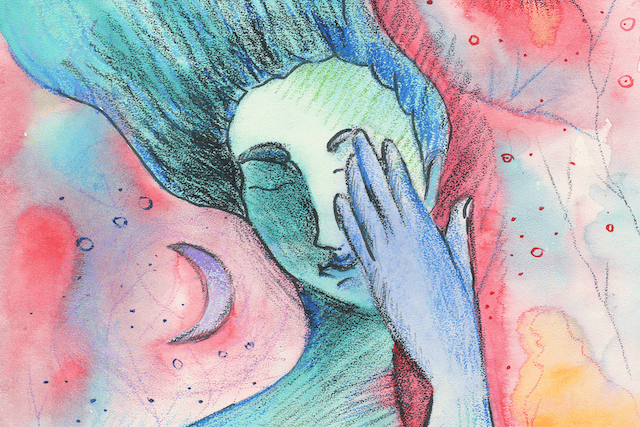
“True peace isn’t the lack of conflict but rather the capacity to manage it.” ~Anonymous
I received four calls from my sister before I answered.
Not four calls in a single day—four calls spread over a three-week period. Each time, I saw her name light up my screen, felt a tightening feeling in my heart, and placed my phone screen-down on the counter.
I reassured myself that I was safeguarding my peace. That phrase had appeared everywhere that year. It was on drink containers, on Instagram infographics, on the lock screens of admired women who seemed to have discovered something I hadn’t. Safeguard your peace. It sounded so pristine. So reasonable.
What I failed to acknowledge was that I already understood the reason for her calls.
Our father had undergone tests two months prior. Nothing was confirmed yet, but there was a quality to the silence in our family group chat that indicated something was forthcoming. And I didn’t want to be the one on the line when it did.
So, I didn’t reply. I told myself I was busy. I assured myself that I would return her call when I felt emotionally equipped. I genuinely believed that avoiding this call was an act of self-care.
It’s remarkable, in hindsight, how thoroughly I convinced myself that hiding equated to healing.
I wish to be candid about the extent this reached, as I believe the small, unglamorous facts are the only ones that truly carry significance.
I stopped reading messages from my sister and allowed them to remain unread, because in my twisted logic, an unread message hadn’t technically been received yet.
I told a close friend, when she inquired about my dad, “I’m trying not to dwell on it too much—I’m preserving my energy.” She nodded as though that made perfect sense, because it’s a phrase that’s meant to sound sensible. It resembles wisdom. It just lacked any of the depth.
I attended yoga more that month than I had in the entirety of the previous year. I meditated most mornings. I declined a work project that would have stretched my capacities, convincing myself that I needed to conserve my resources. On paper, I appeared to be someone lovingly caring for herself.
Underneath, I was merely a person standing still with her eyes shut, hoping that if she remained immobile, the impending situation might lose interest and drift elsewhere.
The call arrived on a Thursday. I recall it was a Thursday because I absurdly thought that Thursdays felt like an odd day for such news to come in. News like this should arrive on a weekend when you at least have two days of freedom to fall apart.
It wasn’t my sister who contacted me first. It was my mom, and her tone carried a flatness I had never encountered before, as if she’d exhausted all other tones previously on someone else.
She informed me that the results had returned. She spoke the word. She explained that my sister had been attempting to reach me for weeks because she didn’t want me to hear it this way, alone, through a voicemail.
I remained on my kitchen floor for an extended period after that call ended. Not crying, actually. Just sitting, my back against the cabinet, mentally reviewing every unanswered call, reliving them one at a time like a form of confession.
I had believed I was shielding myself from pain. What I had truly done was burden my sister with the responsibility of trying to reach me repeatedly, while she was frightened too, while she needed someone on the other end just as much as I was evading being that person.
I returned her call within the hour. She answered before the first ring completed, which revealed everything about how long she had been waiting.
“I didn’t know how to tell you,” she said, and I could tell she had been crying, likely more than once, probably alone in places where nobody had been checking on her either.
“I understand,” I said. “I’m sorry. I should have answered.”
There was a moment of silence, and then she expressed something I’ve contemplated more times than I can count since: “I kept wondering if maybe you already somehow knew, and you just needed space. I didn’t want to press.”
She had transformed my avoidance into a kindness extended toward me. She had assumed my silence indicated I was coping in my own manner, while in reality, it meant I had left her to bear something enormous on her own because I wasn’t ready to feel it yet.
That’s the aspect that unraveled me. Not the diagnosis itself, not at that moment—that sorrow would come later, in its gradual unfolding. What undid me right then was the realization that “protecting my peace” hadn’t safeguarded anyone’s peace at all. It had merely shifted the burden onto someone who cared enough not to guilt me for letting it go.
In the following weeks, I reflected significantly on the distinction between peace and avoidance, because up until that Thursday, I genuinely couldn’t have articulated where one concluded and the other began.
Peace, I’m beginning to grasp, isn’t about the absence of difficulties. It’s about being present enough to confront them without being obliterated. Avoidance merely delays the confrontation. It doesn’t eliminate the hard situation—it only withdraws you from the room while the hard issue lingers, sometimes becoming heavier in your absence.
I had spent a year constructing a version of “peace” that was merely sophisticated evasion. Yoga mats and unread messages. Meditation apps and voicemail boxes that I let overflow. I wasn’t safeguarding my nervous system. I was shielding myself from the discomfort of confronting something that frightened me while mislabeling it as wellness instead of what it actually was.
My father began treatment a few weeks later. I made it a point to attend the initial appointment. I forced myself to be there, even though every part of me sought an excuse to stay busy that day.
I occupied a rigid waiting room chair beside my sister, who reached over at one juncture and simply held my hand without uttering a word, the way you do with someone you’ve long since forgiven. I recall scanning the room—the harsh lighting, the quiet television attached to the wall, a pile of outdated magazines nobody was perusing—and feeling, peculiarly, more at peace than I had throughout the entire month I spent evading the phone.
Not peaceful because everything was okay. It wasn’t. But peaceful in the way that arises from finally inhabiting the actual room instead of the one you constructed in your mind to evade the reality.
I still endorse the notion of protecting your peace. I don’t think that expression is inherently wrong. I believe I was misapplying it.
True peace, I’ve come to realize, doesn’t require you to disappear from those who need you. It calls for you to discover a way to remain—steadfast enough, resourceful enough, honest enough—even when staying proves difficult. Sometimes the most peaceful action you can take is to pick up the phone on the initial call, not the fourth.
I don’t always get this right. I still find myself, occasionally, reaching for that phrase as a defense instead of a practice. However, now, when I catch myself avoiding something and labeling it self-care, I endeavor to ask one simple question: Am I protecting my peace, or am I merely shielding myself from experiencing something I’m not ready to feel yet?
They aren’t always the same inquiry. But they once seemed identical to me.
They don’t anymore.
About Dakota J. Dawson
Dakota J. Dawson writes about emotional sovereignty, healing, and liberating oneself from self-sabotage—especially for those who tend to please others and overthink. Her work delves into emotional boundaries, Stoic detachment, and the subtle patterns that keep us entrenched, offering gentle, practical strategies for building self-trust and ultimately prioritizing oneself. Author of UNSHACKLED: How to Break Free from Overthinking, Emotional Chaos, and Self-Sabotage. Get her book here: https://linktr.ee/dakotajdawson
**Understanding the Distinction Between “Protecting Your Peace” and Avoidance**
In today’s rapid-paced world, the notions of “protecting your peace” and “avoidance” are frequently discussed within the framework of mental health and individual well-being. While both involve managing stress and emotional upheaval, they signify fundamentally different approaches to tackling life’s challenges. Grasping these distinctions is essential for personal development and emotional resilience.
**Protecting Your Peace**
“Protecting your peace” refers to the proactive steps individuals take to uphold their mental and emotional well-being. This concept highlights the significance of fostering a positive atmosphere, establishing boundaries, and prioritizing self-care. It encompasses acknowledging what brings joy and serenity into one’s life and consciously seeking to nurture those elements.
Key elements of protecting your peace consist of:
1. **Establishing Boundaries**: This entails declining situations, individuals, or commitments that deplete your energy or adversely affect your mental health. Healthy boundaries assist individuals in maintaining their emotional equilibrium.
2. **Mindfulness and Self-Care**: Engaging in activities such as meditation, physical exercise, or hobbies that encourage relaxation and joy is vital. These practices help individuals reconnect with themselves and alleviate stress.
3. **Supportive Relationships**: Being around encouraging and uplifting individuals creates a nurturing environment. Protecting your peace often involves distancing oneself from toxic relationships that contribute to anxiety or negativity.
4. **Emotional Awareness**: Recognizing and acknowledging one’s emotions is crucial. Protecting your peace involves identifying when something is impacting your mental state and taking constructive measures to tackle it.
**Avoidance**
Conversely, avoidance is a defense mechanism that involves steering clear of situations, thoughts, or emotions perceived as uncomfortable or distressing. Although it may offer temporary relief, avoidance can lead to long-lasting negative effects, as it frequently blocks individuals from confronting and resolving underlying issues.
Key traits of avoidance encompass:
1. **Escaping Reality**: Individuals may distract themselves through various methods, such as excessive screen use, substance consumption, or procrastination, to evade facing difficult feelings or scenarios.
2. **Fear of Confrontation**: Avoidance typically arises from a fear of conflict or discomfort. People may prefer to ignore issues rather than confront them, which can result in unresolved problems and heightened anxiety over time.
3. **Temporary Relief**: While avoidance can deliver immediate comfort, it often worsens complications in the future. Evading challenges can engender guilt, shame, or increasing stress when the issues inevitably resurface.
4. **Stagnation**: By sidestepping essential confrontations or changes, individuals may find themselves caught in unhealthy habits, hindering personal expansion and progress.
**Key Differences**
The main distinction between protecting your peace and avoidance lies in the intent and outcome of each approach. Protecting your peace represents a deliberate, active choice aimed at promoting well-being and resilience. It encourages individuals to address challenges with a proactive mindset. In contrast, avoidance typically functions as a subconscious reaction to fear or discomfort, resulting in stagnation and unresolved issues.
**Conclusion**
Grasping the difference between protecting your peace and avoidance is vital for personal growth and emotional well-being. While protecting your peace enhances growth, self-awareness, and resilience, avoidance can impede progress and heighten anxiety. By recognizing the distinction, individuals can make more informed choices regarding their emotional journeys, ultimately leading to a more balanced and fulfilling existence.
 admin
admin