
public chargers in unfamiliar locations often include dealerships. Indeed, a number of these are meant for public use, irrespective of whether the driver has previously visited the establishment. However, caution is necessary, as one Michigan resident experienced when he charged his rented Chevrolet Bolt at a Hyundai dealership and later discovered he was charged $5 per kilowatt-hour and $5 per minute.
The grand total? $418.
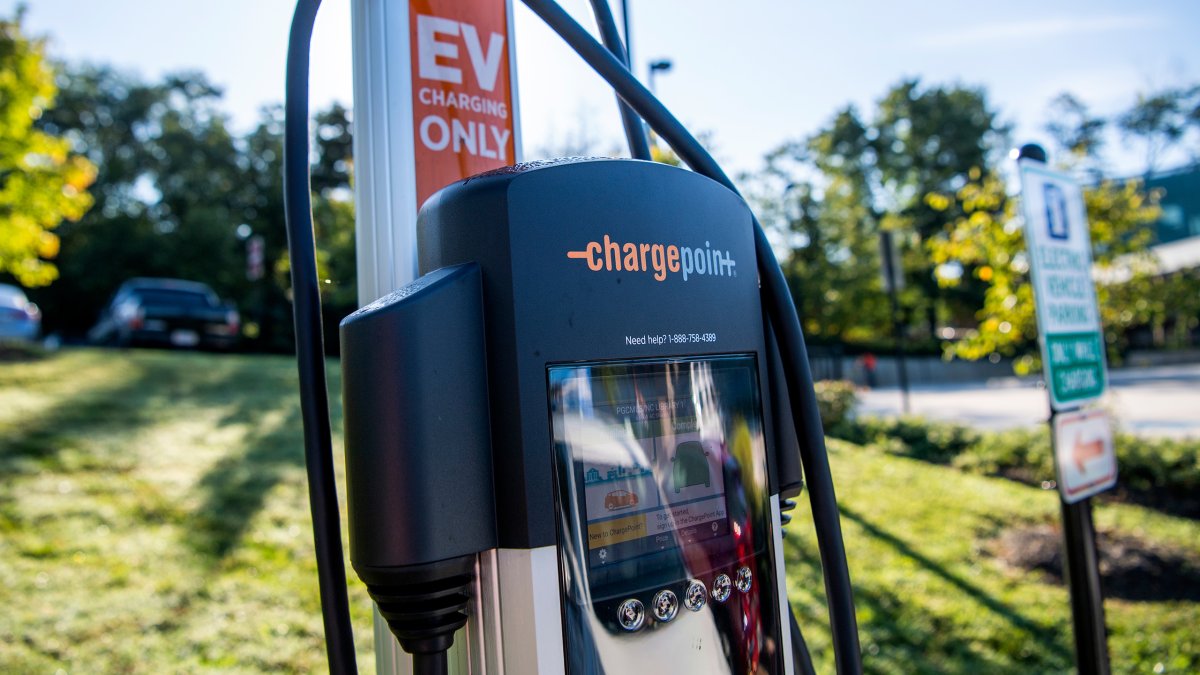
The Bolt features a 65-kWh battery, and the individual involved—Stanley Kpenkann—informed news channel WXYZ that the vehicle was critically low on charge, estimating he had about 20 minutes of driving range remaining. He utilized the EVgo app and located a Hyundai dealership on Hall Road in Macomb Township, presumably Elder Hyundai, equipped with a ChargePoint charger.
Kpenkann stated to the news outlet that he hadn’t seen the pricing before starting his session, which lasted 44 minutes, although it appeared to be displayed on the charger. EVgo and ChargePoint maintain a “roaming agreement,” allowing EVgo customers to access ChargePoint’s network.
After receiving such a bill, Kpenkann reached out to EVgo, believing it to be a mistake. EVgo clarified that it was accurate and, after considerable back-and-forth, ultimately agreed to issue him a “goodwill refund” of $405—an admittedly frustrating term, though he likely appreciated the refund. The remaining $13.27 indicated what Kpenkann would have paid based on his EVgo subscription plan, further compounding the issue; he ended up paying 31 times the standard rate to charge the Bolt for that duration.
You may wonder about the pricing strategy of the Hyundai dealer for this charger. They reportedly stated it is “reserved for its own customers and vehicles,” and was priced steeply to discourage public access. Surely, the dealer could have limited public usage in other ways or at least provided a notice to ensure users understood the terms before utilizing the charger. It is evident that this charger ought not to be listed as a public option on EVgo or any public-charging platform.
For context, the average price per kilowatt-hour for a Level 3 DC fast-charger in the U.S. is $0.53, according to Qmerit. Thus, not only was the electricity tenfold the average cost, but the per-minute charge was in addition to that. This serves as a significant reminder for any EV owner or renter to be cautious when away from their usual public charging stations and to recognize that not all public chargers are reasonably priced.
Have a tip or feedback for TDS? Connect with [email protected]
**EV Renter Encounters $418 Charging Fee After Using Dealer’s Public Charging Facility**
In recent years, electric vehicles (EVs) have gained significant traction, resulting in an uptick in rental opportunities for consumers eager to enjoy the advantages of electric driving. Nonetheless, a recent episode involving an EV renter has shed light on possible challenges within the rental experience, particularly regarding charging expenses.
A renter who selected an electric vehicle from a local dealership was met with an unforeseen fee of $418 following their use of the dealership’s public charging station. This situation raises critical considerations surrounding the costs tied to charging EVs, the obligations of rental companies, and the overall clarity of charging fees.
**Comprehending Charging Fees**
Charging fees can greatly differ based on the charging station’s location, provider, and the specific stipulations established by the rental company. Numerous public charging stations operate on a pay-per-use basis, where users incur charges based on either the amount of electricity used or the duration of charging. In some instances, rental companies may have established agreements with charging networks that dictate pricing structures for their customers.
In this instance, the renter was unaware of the elevated fees linked to the dealership’s charging station. The $418 fee was surprising, especially given that many public charging stations generally offer lower rates. This event emphasizes the necessity of clear communication concerning charging expenses when renting an EV.
**The Responsibility of Rental Companies**
Rental companies hold a significant responsibility in informing customers about the financial aspects and logistics of charging electric vehicles. It is crucial for these companies to offer transparent details regarding charging fees, including any potential extra charges for the usage of specific charging stations. This information should be readily accessible at the time of rental and integrated into the rental agreement.
Beyond transparency, rental companies might explore a more customer-oriented method regarding charging. This could include providing flat-rate charging fees, unlimited charging alternatives, or collaborations with charging networks that offer favorable pricing for renters.
**Consumer Awareness and Recommended Practices**
For individuals renting electric vehicles, it is important to stay informed about charging opportunities and related costs. Here are several recommended practices to keep in mind:
1. **Review the Rental Agreement**: Always examine the rental agreement thoroughly, paying particular attention to any sections concerning charging fees and the use of charging stations.
2. **Inquire About Details**: If there is uncertainty about charging policies, renters should feel free to approach the rental company for clarification on fees and available charging options.
3. **Investigate Charging Stations**: Get to know local charging stations and their pricing structures. Apps and websites that monitor charging station availability and costs can be incredibly useful.
4. **Opt for Home Charging**: If feasible, consider renting an EV that permits charging at home to evade unforeseen charges linked to public charging.
5. **Track Charging Expenses**: Keep an eye on charging costs throughout the rental to avoid unexpected bills at the conclusion of the rental period.
**Conclusion**
The $418 charging fee incurred by the EV renter serves as a warning for both consumers and rental companies. As the uptake of electric vehicles continues to rise, it is vital for rental companies to emphasize transparency and customer education regarding charging costs. For renters, being informed and proactive can assist in navigating the changing landscape of electric vehicle rentals and in preventing surprise charges.
 admin
admin