
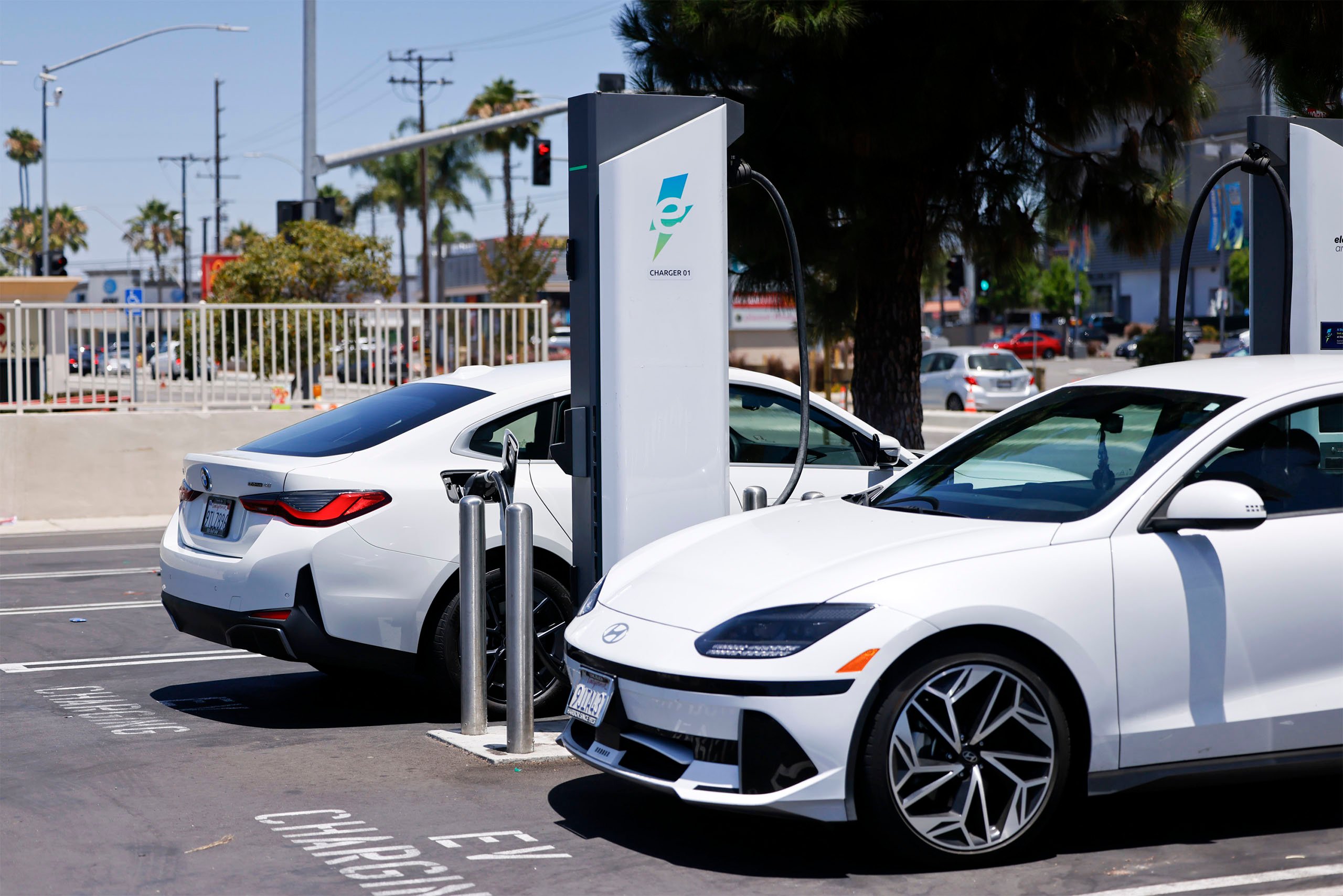
The cessation of the federal EV tax rebate last autumn quickly dampened sales; however, climbing gas prices in 2026 have breathed new life into the market—sort of. While it’s accurate that new EV sales are still over 20% lower than the previous year, according to the latest numbers from Cox Automotive, the used EV sector is currently thriving. In the second quarter of this year, 128,000 pre-owned EVs were sold, marking a new high, as per Cox data.
For context, that’s an increase of 29%—approximately 30,000 more vehicles—compared to Q2 2025. The average cost of a used EV hovers around $37,000, resulting in a $3,000 premium over the average new gasoline-powered car, including hybrids. This price hike is recent too, as prior to this surge, most used EVs changed hands for just under $35,000. The market is adapting to this demand; however, if you haven’t purchased one in the last few months, you certainly haven’t missed your chance yet.
“Three-year-old EVs on average are significantly exceeding the usual seasonal patterns and outperforming all other powertrains thus far,” stated Mark Strand, Cox’s Deputy Chief Economist, during the group’s mid-year assessment. “The [Manheim Market Report price] for a three-year-old EV is currently about 14% higher than the value at the start of the week. In contrast, non-EVs of the same age peaked in the first week of March and are closely following expected seasonal trends, only up 3.5% from their initial week values.”
The report highlights that the majority of EVs re-entering the market have come off leases, and lessees are not typically inclined to buy vehicles priced above market value at the conclusion of their leases. “Lenders have gradually been absorbing these valuation adjustments, helping the wholesale market manage the increase in used EVs,” an earlier April report noted.
A significant reason for the volume of leases in the first place was a brief loophole for EV leases that categorized them as commercial sales. (Anyone who took advantage of a $0 Fiat 500e lease deal benefitted from such provisions.) Vehicles from that leasing era are expected to keep trickling back to dealerships over the next two years, according to expert Sam Abuelsamid, who provided insights on the trend back in February.
Fortunately, while used EVs might be particularly susceptible to depreciation, it’s not due to their batteries losing efficiency. Once you move past the possibility that we’ve been assessing them inaccurately, the truth is that automakers have managed remarkably well to limit degradation as the technology has developed. Just try to avoid DC fast charging every day if possible. If it’s unavoidable, perhaps hold onto that hybrid or gasoline vehicle a bit longer.
Have a tip? Get in touch at [email protected]
### Decline in New EV Sales Contrasts with Record-Breaking Used EV Market
The electric vehicle (EV) sector has undergone significant changes in recent years, notably regarding the balance between new and used EV sales. While new EV transactions have shown a discernible drop, the used EV market is flourishing, establishing records and appealing to a diverse array of consumers. This article delves into the elements contributing to these conflicting trends and their effects on the automotive industry and consumers.
#### Current Landscape of New EV Sales
In recent times, new EV sales have experienced a downturn, attributed to several primary factors:
1. **Supply Chain Issues**: The automotive sector continues to deal with supply chain disruptions, particularly concerning the availability of semiconductors and battery components. These shortages have restricted production rates, resulting in fewer new EVs available for purchase.
2. **Escalating Prices**: The expense of new EVs has surged due to inflation and rising production costs. As manufacturers confront increased expenses, these costs are typically relayed to consumers, making new EVs less attainable for numerous prospective buyers.
3. **Consumer Reluctance**: Economic instability and changing fuel prices have led some consumers to postpone buying new vehicles, including EVs. Additionally, worries about charging infrastructure and mileage anxiety remain issues impacting buyer confidence.
4. **Heightened Competition**: As traditional automakers enhance their EV selections, the market has become increasingly competitive. However, this competition has not yet resulted in higher sales for all manufacturers, especially those facing challenges in meeting production requirements.
#### The Surge in Used EV Sales
Conversely, the used EV market is experiencing a surge, driven by several compelling factors:
1. **Affordability**: Used EVs present a more economical option for consumers who may find themselves priced out of the new EV landscape. As the prices of new EVs rise, many buyers are seeking the used market for more budget-friendly alternatives.
2. **Increased Stock**: With a growing number of consumers purchasing new EVs, the influx of used EVs into the market has risen. This expanding inventory grants buyers a broader selection of models and price ranges.
3. **Consumer Awareness**: Heightened awareness of the advantages of EVs, such as reduced operating costs and environmental benefits, has sparked greater interest in used EVs. Many consumers are now better informed about the benefits of electric vehicles, making them more inclined to consider pre-owned options.
4. **Incentives and Financing Opportunities**: Various incentives and financing alternatives for used EVs have come to light, enhancing their appeal to buyers. Some states and local entities provide rebates or tax credits for used EV acquisitions, further motivating consumers.
#### Implications for the Automotive Industry
The differing trends in new and used EV sales bear significant implications for the automotive sector:
– **Shift in Marketing Tactics**: Automakers may need to revise their marketing tactics to focus more on the used market, promoting certified pre-owned programs and showcasing the advantages of buying used EVs.
– **Investment in Production**: To counteract the downturn in new EV sales, manufacturers may need to invest in enhancing production efficiency and fortifying supply chain resilience to align with consumer demand.
– **Consumer Education**: As the used EV market expands, educating consumers about battery health, maintenance, and resale value becomes essential to instill confidence in acquiring used electric vehicles.
– **Focus on Sustainability**: The rise in used EV sales aligns with sustainability objectives, as prolonging the lifespan of electric vehicles contributes to reducing overall carbon outputs. This trend may encourage manufacturers to explore circular economy approaches in their operational models.
#### Conclusion
The decrease in new EV sales juxtaposed with the thriving used EV market signifies a critical juncture in the automotive sector. Although challenges persist in the new EV realm, the strong demand for used electric vehicles indicates a shift in consumer priorities and market dynamics. As the industry navigates these transitions, both new and used EV markets will be instrumental in shaping the future of sustainable transportation.