
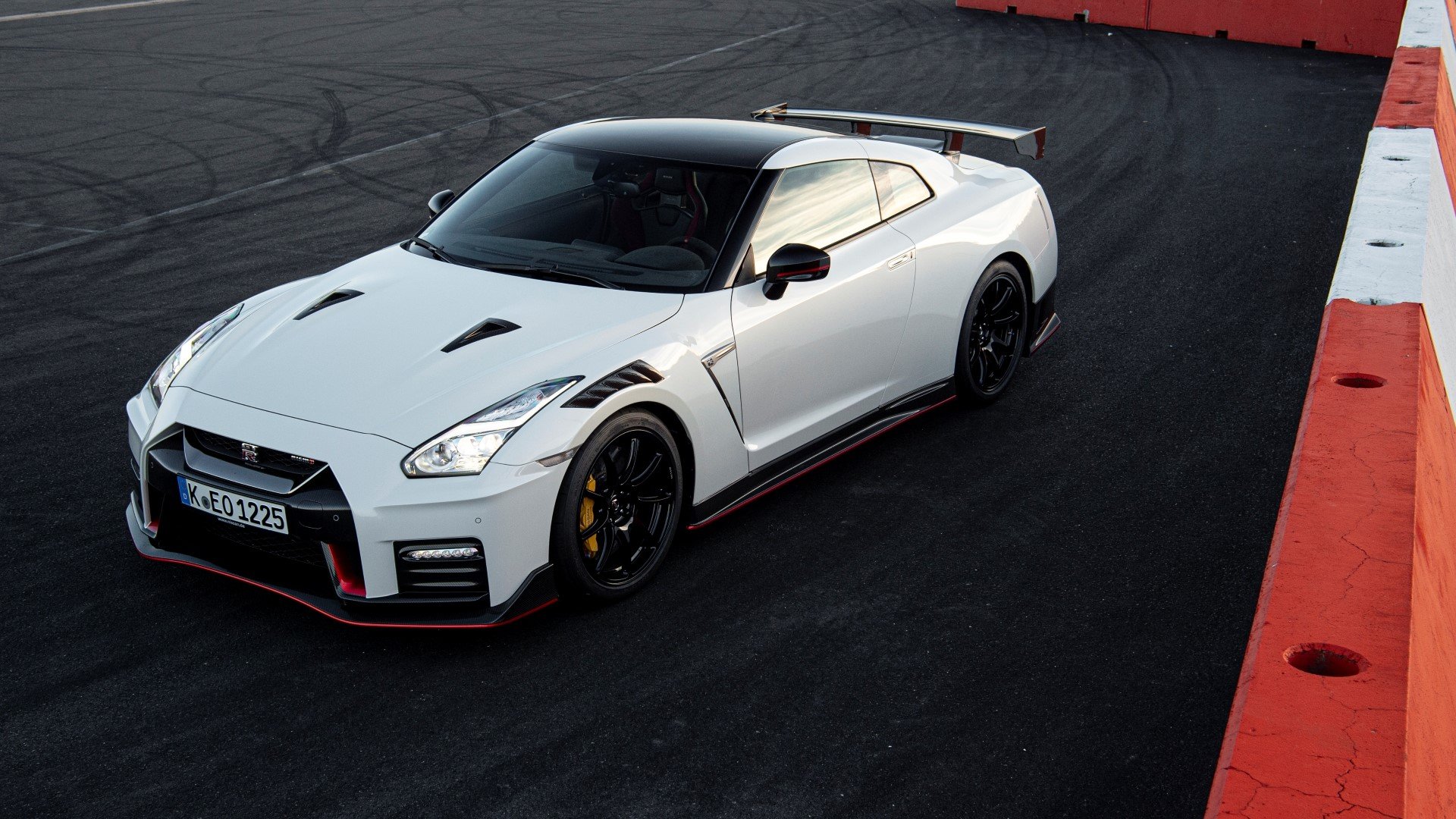
Buick GNX to the R35 Nissan GT-R. However, V6 engines simply do not evoke the same enthusiasm as other engine configurations. V6-powered vehicles have their advocates, but the engine itself falls short of inspiring affection.
The Drive examined the reasons behind this in a recent YouTube clip, beginning with engineering trade-offs. Manufacturers began tinkering with V6 engines prior to World War II, and Lancia introduced the V6 to mass production in the Aurelia in 1950, but the narrative of the V6 becoming a truly mainstream engine starts in 1962 with General Motors. Aiming to cut costs, GM’s Buick division removed two cylinders from one of its smaller V8s to create the “Fireball” V6. This was geared toward minimizing engineering expenses since everything else remained unchanged except for the cylinder count.
The Buick V6 stood out for its durability (its various iterations were produced until 2008), with a turbocharged 3.8-liter variant famously powering the aforementioned GNX. Yet, this engine was designed to be economical above all else, and GM overlooked the inherent roughness that arose from adapting a 90-degree V8 block to a V6, which lacks the natural balance of a V8 due to having an uneven number of cylinders in each bank. Lancia opted for a 60-degree V-angle for its engine, which proved to be the successful solution for other manufacturers. Although it required more investment to engineer a tailored V6, these engines were more polished, power-dense, and compact. The importance of compactness especially helped V6s achieve dominance as transverse, front-wheel drive layouts became standard.
Even GM, which is notorious for its cost-cutting, developed its own 60-degree V6, debuting in the 1980 Chevrolet Citation. The Citation was a bold endeavor to construct a modern compact car that was space- and fuel-efficient, but none of these features made it captivating. This contributed to the V6’s negative reputation, as did the Citation’s complete failure in the market. The V6 became synonymous with downsizing, frugality, and a departure from the golden era of V8, rear-wheel-drive performance vehicles.
No V6 has effectively challenged that narrative. Most of the outstanding ones—such as the R35’s VR38DETT or the second-generation Ford GT’s EcoBoost engine—depend on turbocharging to reach their greatness. The Maserati Nettuno—a clean-sheet V6 with F1-style pre-chamber ignition developed for the MC20 supercar (now the MC Pura)—met with apathy. In the half-ton pickup realm, V6s often boast the most capable engines, yet they are deemed so uncool that manufacturers are reintroducing V8s for aesthetic appeal.
The disdain for V6 engines is definitely not founded in logic, but it is linked to the conflict between the enthusiasm of auto aficionados and the dispassionate manner in which the industry is frequently managed. Watch the full video to learn more.
### Reasons for the Discontent with V6 Engines
V6 engines have been a common choice in the automotive realm for many years, providing a blend of power and efficiency. Nonetheless, there is an increasing dissatisfaction among consumers and automotive fans regarding V6 engines. This article delves into the key reasons behind this discontent.
#### 1. Performance Perception
Numerous car enthusiasts view V6 engines as lacking the performance and thrill associated with V8 engines. While contemporary V6s can generate remarkable horsepower and torque, they often fail to deliver the engaging driving experience that a V8 affords. The sound and sensation of a V8 engine are frequently regarded as more stimulating, leading to a preference for larger engines among performance-focused drivers.
#### 2. Fuel Efficiency Concerns
Although V6 engines are generally more fuel-efficient than their V8 equivalents, they are often unfavorably compared to four-cylinder turbocharged engines. As manufacturers increasingly prioritize fuel economy and emissions, many consumers find that smaller, turbocharged engines can provide similar or superior performance with enhanced fuel efficiency. This transformation has fostered a perception that V6 engines are becoming obsolete in light of advancing technology.
#### 3. Weight and Size
V6 engines, while lighter than V8s, still remain heavier and bulkier than four-cylinder engines. This additional weight can adversely affect a vehicle’s handling and agility. As automakers endeavor to create lighter, more agile vehicles, the bulk and weight of V6 engines can be viewed as a drawback, particularly in smaller cars and sports models.
#### 4. Complexity and Cost
V6 engines typically have more intricate designs than simpler four-cylinder engines, which can lead to elevated manufacturing costs and increased maintenance expenses. Consumers might express dissatisfaction with V6 engines due to concerns about reliability and the potential for expensive repairs. The complexity of V6 engines, with their extra components and systems, can also lead to more frequent problems compared to simpler engine configurations.
#### 5. Market Trends
The automotive industry is continuously shifting towards electrification and hybrid technologies. As manufacturers invest significantly in electric and hybrid powertrains, the relevance of traditional V6 engines is being questioned. Consumers are becoming more conscious of environmental issues and are leaning towards vehicles that present sustainable solutions, resulting in a decline in interest for conventional internal combustion engines, including V6s.
#### 6. Limited Availability
As automakers streamline their engine selections to comply with regulatory standards and consumer preferences, many have started to phase out V6 engines in favor of more efficient alternatives. This decline in availability can frustrate buyers who favor the characteristics of a V6 engine, leading to dissatisfaction among those who feel their options are dwindling.
#### Conclusion
While V6 engines have played a significant role in the automotive landscape, various factors contribute to the rising discontent among consumers. Performance perceptions, fuel efficiency comparisons, weight issues, complexity, market trends, and reduced availability all influence the current sentiment towards V6 engines. As the sector evolves, it remains uncertain how V6 engines will adjust or whether they will recede into obscurity as new technologies take prominence.
 admin
admin