
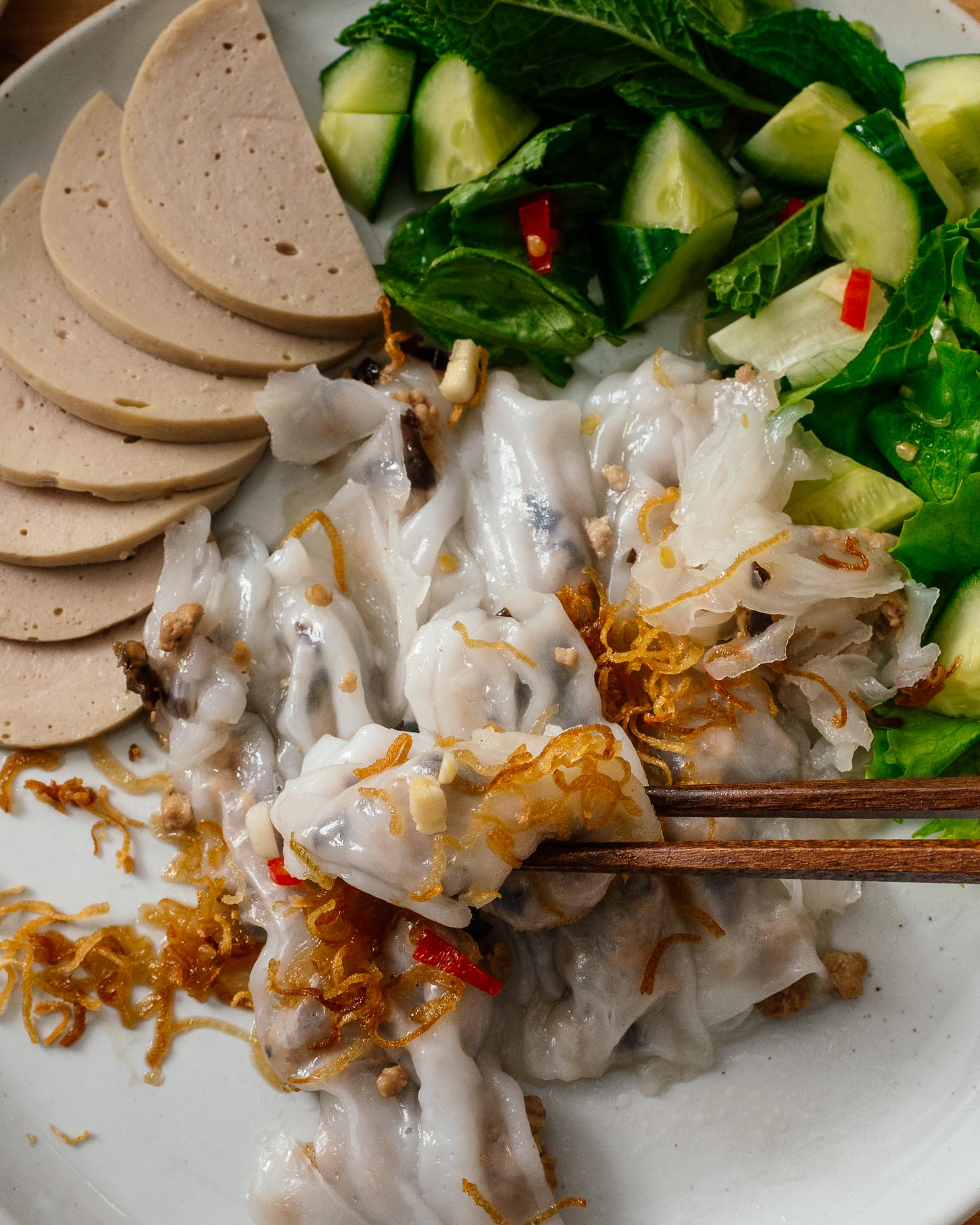
I’ve been obsessed with banh cuon for over 20, maybe 30, years. The soft and tender rice noodles wrapped around a fragrant, super umami pork and mushroom filling are what my dreams are made of.
A very, very long time ago, someone told me that I would love Vietnamese crepes. For some reason, that stuck in my head and when Mike (who is Vietnamese) and I started dating, I always asked him about them. He had no idea what I was talking about, and to be honest, neither did I. He introduced me to banh xeo, which I absolutely love, but it wasn’t what I pictured as a Vietnamese crepe. After a long and delicious search, we figured out I was talking about bánh cuốn, aka rolled cake.
My obsession with banh cuon
If I thought I was obsessed with discovering what “Vietnamese crepes” were, it was nothing compared to how obsessed I became after finally tasting bánh cuốn. Soft and tender, slippery rice noodles wrapped around a fragrant, super savory ground pork and wood ear mushroom filling all doused in fish sauce? Sign me up, forever. I LOVE steamed rice rolls. Their chewy texture, their softness, their ability to transfer sauce to my mouth, I just can’t get over it.
Every time we drive by store fronts with the words BÁNH CUỐN on the awning, I’m begging Mike to stop even if we’ve just eaten. To be honest, there aren’t many places in our city that make it from scratch. It’s more of a street food back in Vietnam and not something that’s insanely popular here, like pho. It should be, but I understand why it isn’t. The rice flour sheets need a delicate, talented hand and I guess a market for banh cuon doesn’t really exist here. It’s a true travesty because no available freshly made rolls equals me needing to make them at home to satisfy my obsession.
Perfecting homemade banh cuon
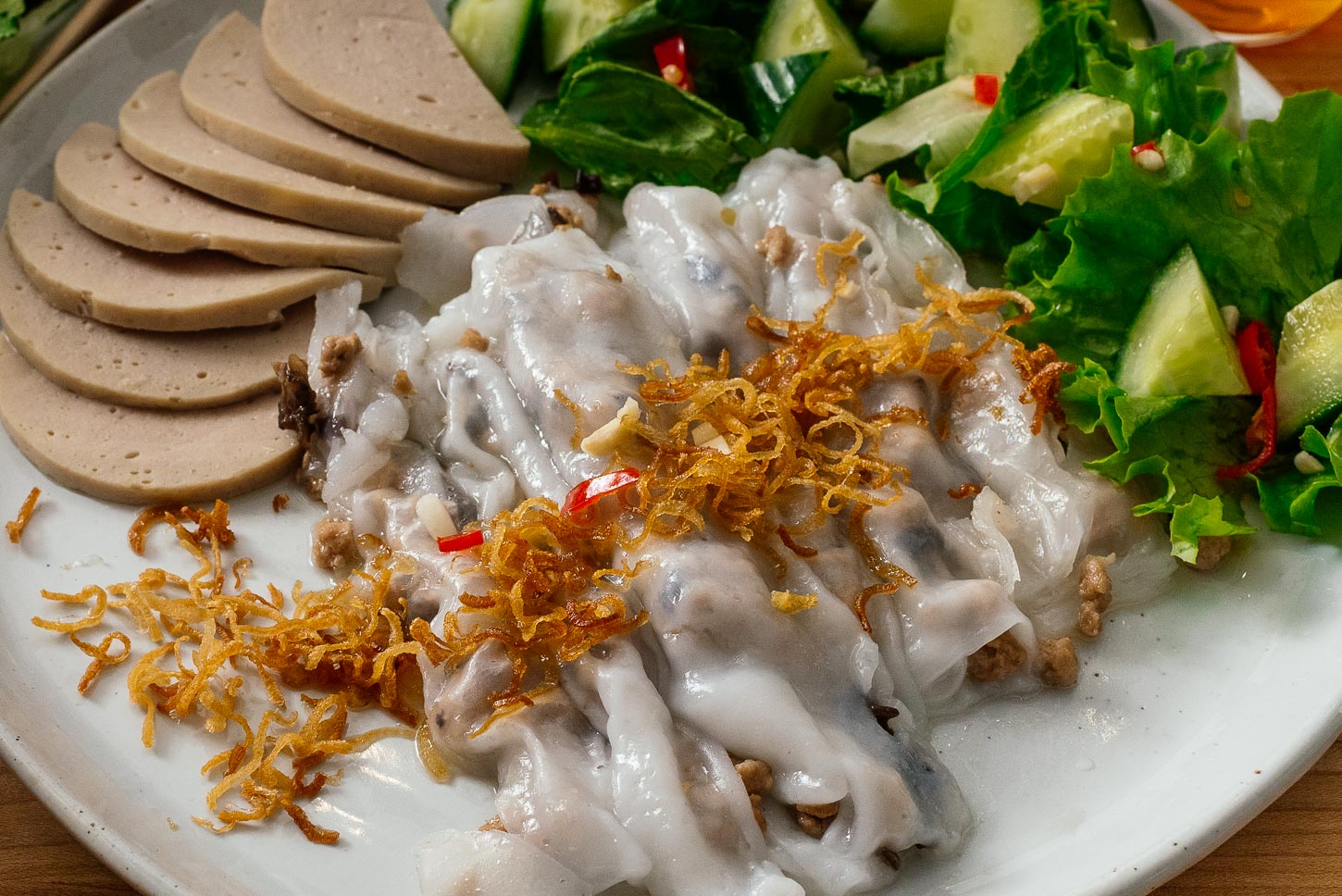
To be honest, even though I cook (a lot) I’m not good at that things that are finicky and therefore I am not particularly good at making rice rolls. I am a sucker for punishment though, so like any rice roll obsessed person, I have a trusty rice roll steamer. Vietnamese rice rolls have a different texture than Chinese rice rolls — they’re more chewy and foldable. With my bare minimum knowledge of Chinese rice rolls and the power of the internet, I went to work trying to figure out the right ratios for banh cuon.
Ideally, Vietnamese rice rolls are soft and tender, with a bit of chew. You need them to be flexible but not mushy. When I figured out my ideal ratio for Chinese rice rolls, I found that rice flour is the main foundational structure with tapioca flour or cornstarch adding softness and stretch. Recipes often include tapioca powder (also known as tapioca starch) in recipes with rice flour because rice flour is naturally gluten-free, meaning if you make the batter with only rice flour, your rolls will fall apart because there are no stretchy gluten structures to hold it together.
Adding tapioca flour to the batter gives it both flexibility and chew, like the texture of boba or mochi. It’s also what gives the rolls translucency. According to Mike, the translucency and chew are the key differences between Chinese rice rolls and Vietnamese rice rolls.
How to make homemade banh cuon
1. Make the batter
In a large bowl or large liquid measuring cup, whisk together rice flour, tapioca starch, and room temp water until it comes together in a slurry. Whisk in a bit of neutral oil, then water just off the boil. The just boiling water cooks the rice and tapioca flour, making it easier to make the rolls. Whisk in some salt to finish.
2. Let it rest
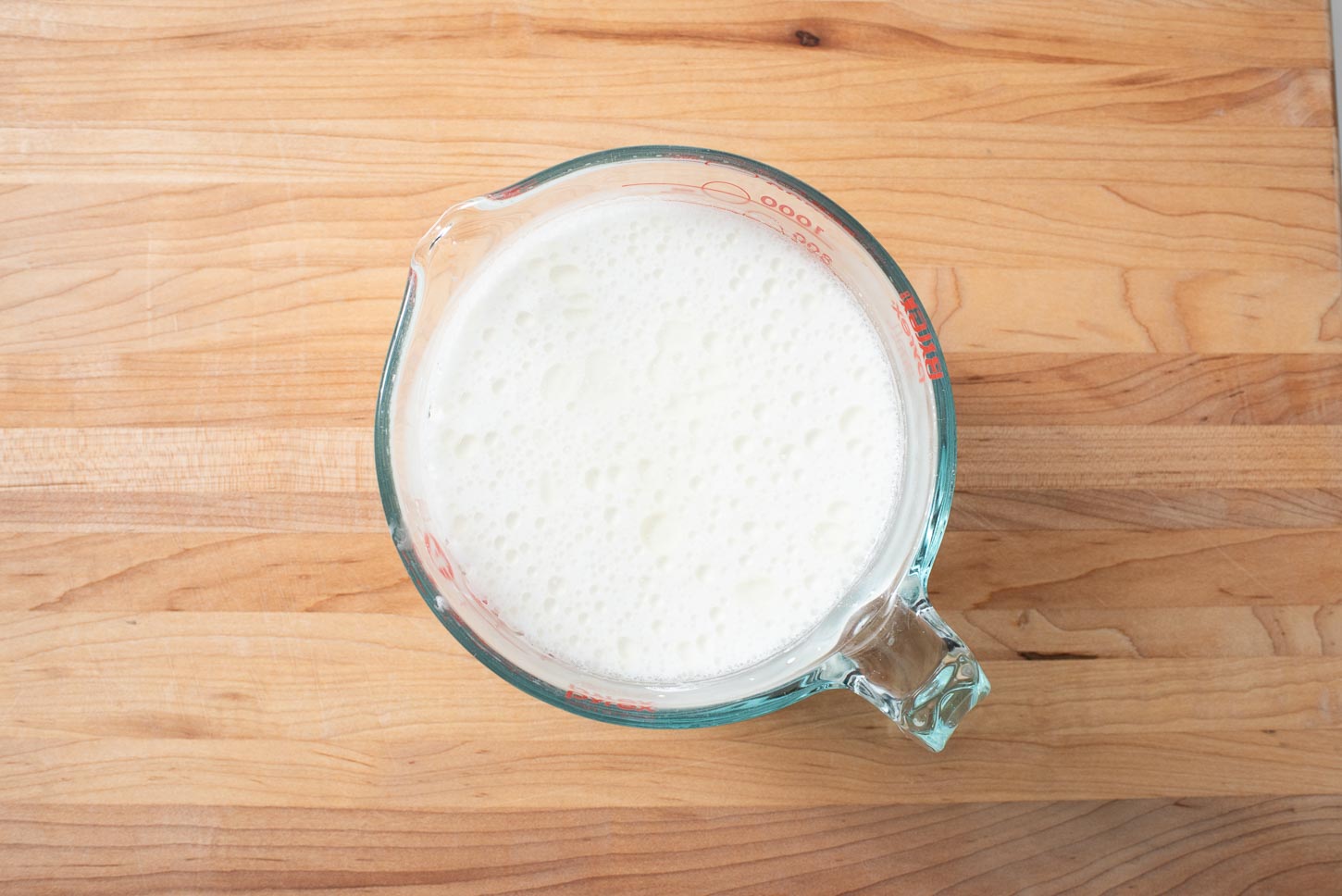
Let the batter rest for as long as you can, overnight is best. Before using it, mix it up so everything is homogenous.
3. Make fish sauce
Make the dipping sauce for the banh cuon. If you have a favorite nuoc cham recipe, go ahead and make that, and if not, this is Mike’s famous nuoc cham.
4. Make the filling
Soak dehydrated sliced wood ear mushrooms in hot tap water until soft, about 10 minutes. Drain well and chop. Peel and dice a shallot. Heat up a bit of oil in a pan and when hot, sweat the shallots. Add ground pork and cook, breaking it up into pieces. Stir in the wood ear mushrooms, as well as oyster sauce, fish sauce, a touch of sugar, and white pepper. Remove the filling from the heat once it’s cooked. Taste and season if needed. Set aside while you make the rolls.
5. Prep
Set up a station with a some neutral oil and a brush, a large cutting board, and a serving plate. Lightly brush the cutting board and serving plate with oil.
6. Make the rolls
Whisk up the batter to make sure everything is evenly distributed. You’ll want to do this with every roll you make. Heat up your chosen pan over medium-low heat and brush with a bit of oil. Add just enough batter to the bottom of the pan, swirling to coat. Cover and steam for at least 2 minutes or until the edges start to lift and the rice noodle looks translucent and set. If you’re not sure if it’s cooked or not, just go for an extra minute.
7. Roll the filling
When the rice noodle sheet is cooked, tip it out onto the prepared cutting board. Add some filling in the middle and roll up. Place the filled roll on the prepared serving plate and brush lightly with oil to prevent the rolls from sticking to each other. Repeat for the remaining filling and batter.
8. Enjoy!
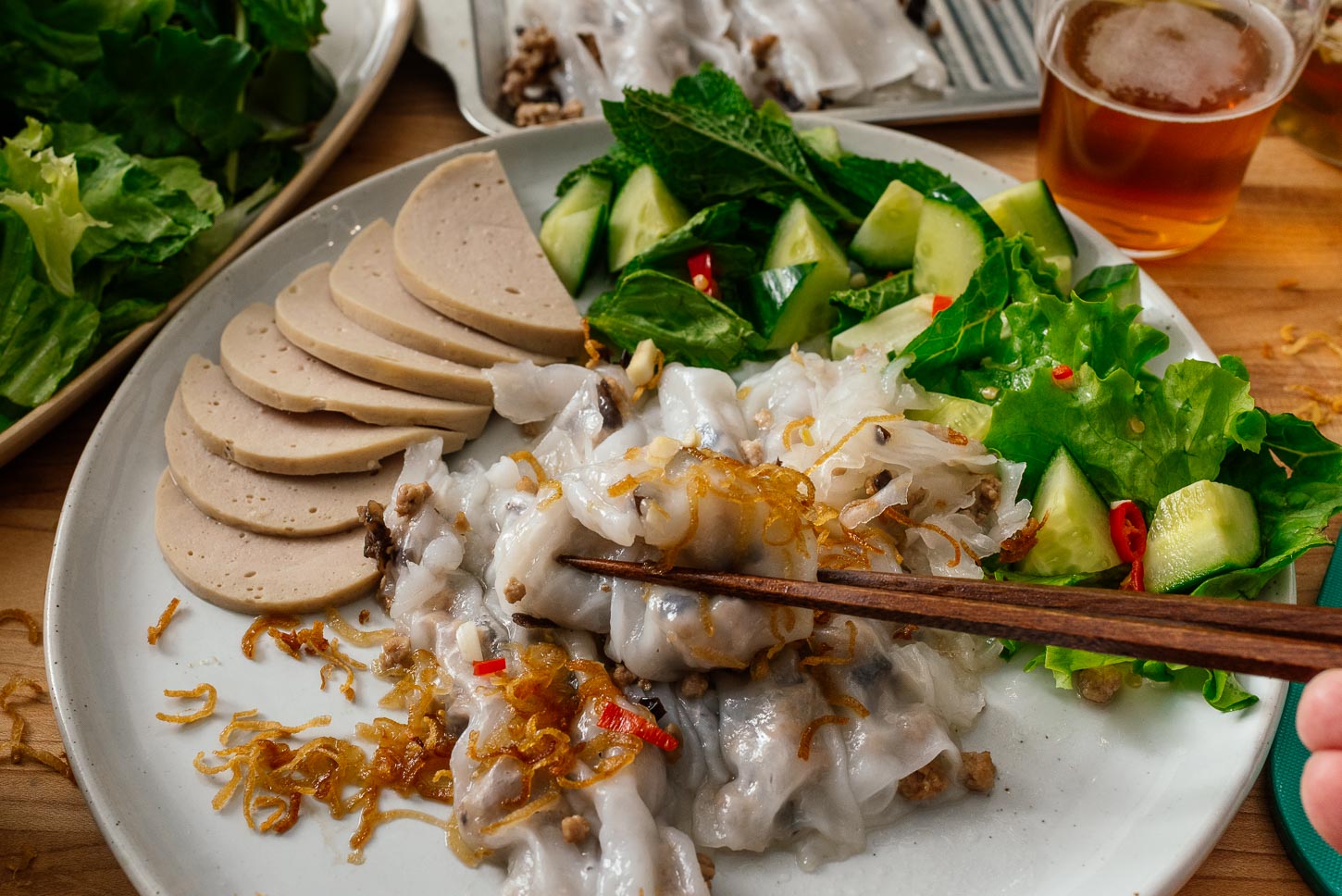
Enjoy the fruits of your labor with fish sauce and herbs. Congrats, you did it!
Do I need specialty equipment to make banh cuon?
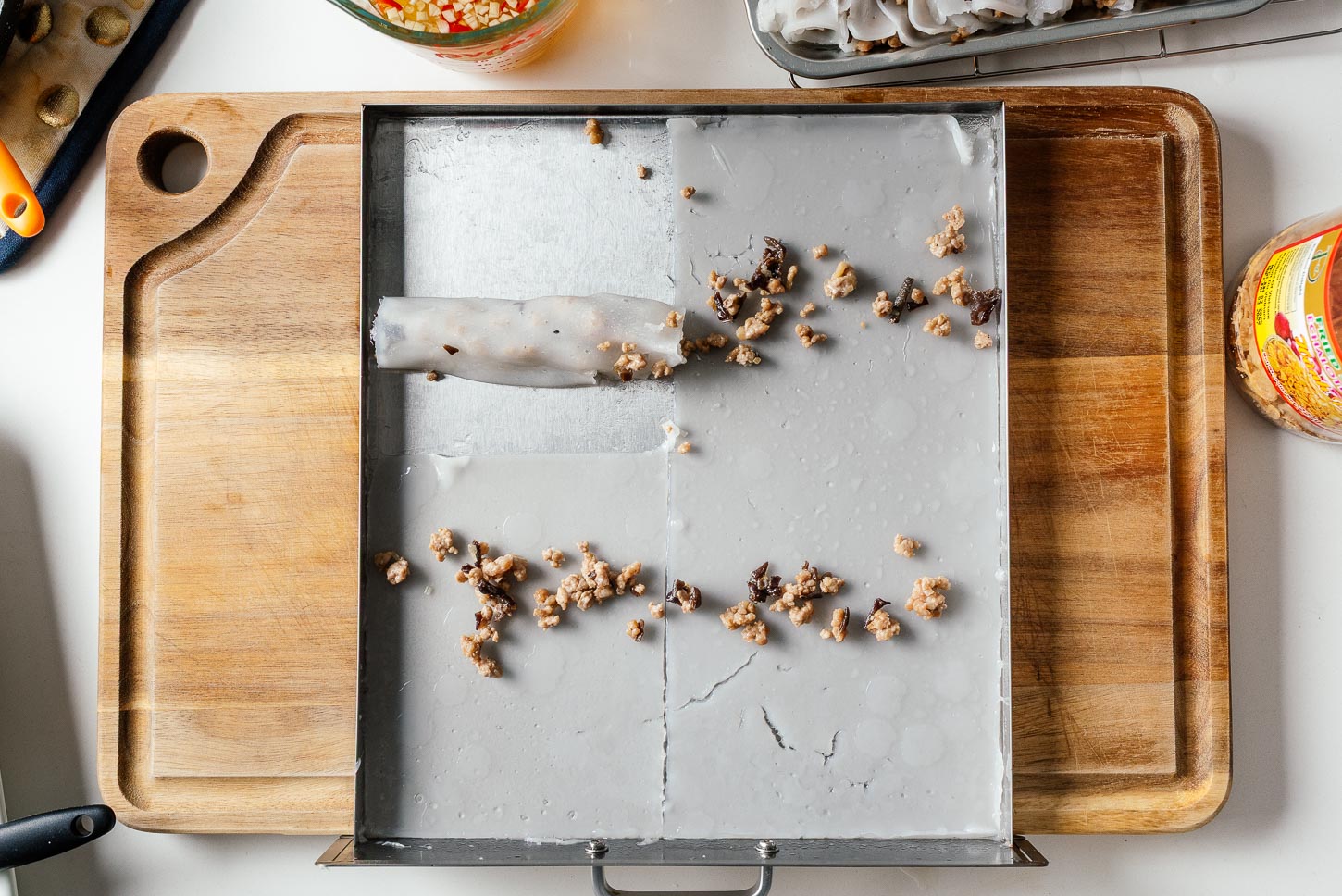
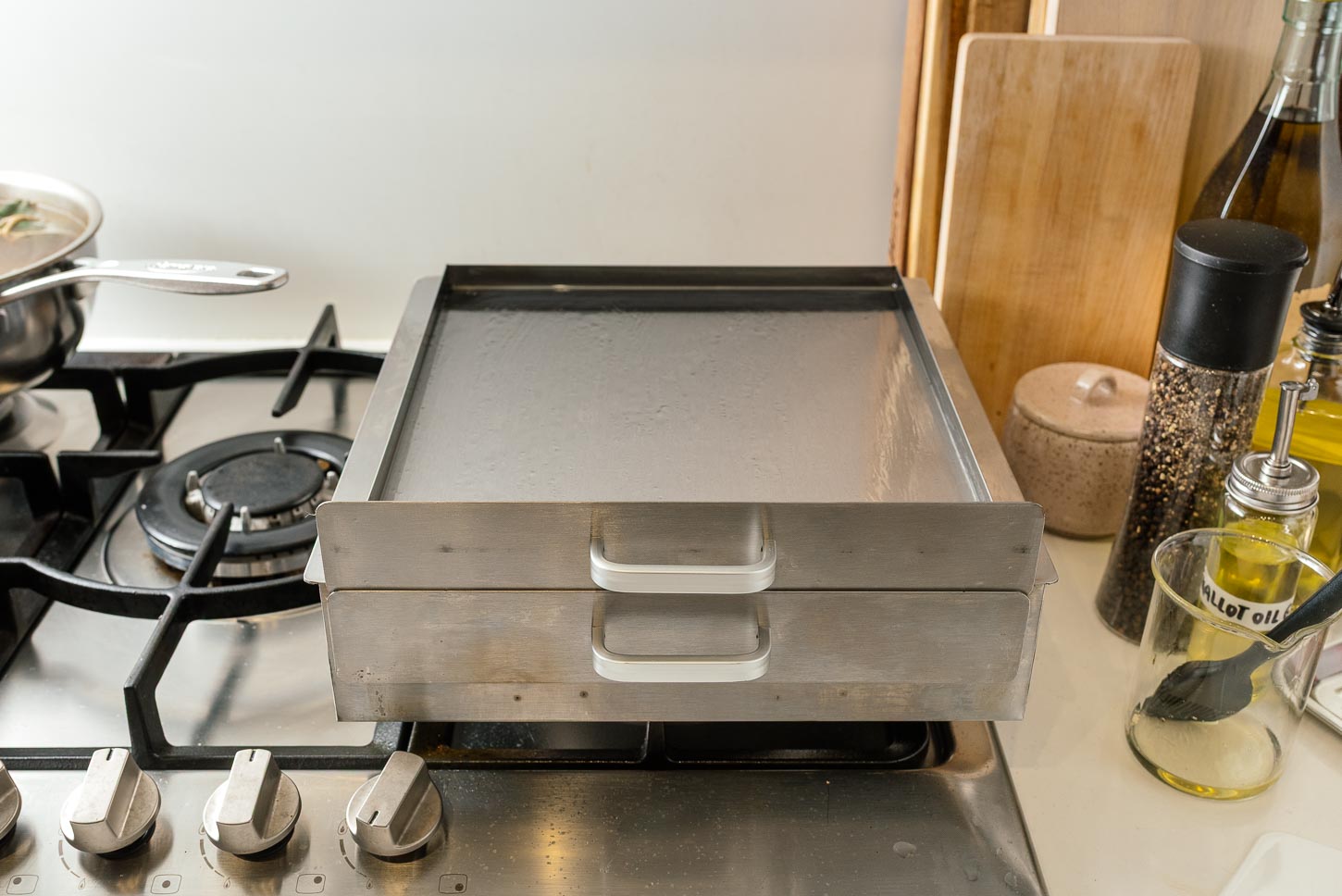
The short answer is no and the long answer is, depends. The easiest thing to do is to use a non-stick pan with a lid. Technically, you’ll be frying and not completely steaming, but frying pans are easy to come by. For me, I already have a rice roll steamer so that’s what I used.
In Vietnam they use cloth tightly pulled over a pot of steaming water. If you’re handy, you can make this at home using a pot, unbleached cotton, and a stainless steel clamp or you can buy a set on amazon. I can’t speak to how well made that one is because we didn’t try it. But I will tell you that using a cloth steamer to make banh cuon is harder than it is when you use a frying pan or rice roll steamer.
Oh, also, if you happen to have a tamagoyaki pan (a classic Japanese square nonstick frying pan) that would be the best pan to use.
How to make crispy shallots and shallot oil
You don’t need to make crispy shallots and shallot oil, but I think they add an immense amount of flavor. Here’s how to do it:
Thinly slice 2 shallots and place them in a bowl with cold water and a pinch of salt. Let rest for 5 minutes, then rinse and drain well. Use clean kitchen towels or paper towels to pat the shallots very dry. Heat up about 1/3 cup of neutral oil in a small pot over medium heat and add the shallots. Cook, stirring occasionally, until the shallots turn lightly golden brown and crispy. Remove the pot from the heat and place a sieve over a heat proof container. Pour the shallots and oil through the sieve. Dry the crispy shallots on clean paper towels and reserve the oil for making the banh cuon.
Tips for the best homemade banh cuon
Rehydrate the rice flour
This is an extraneous step, but if you’re a stickler for being extra like me, it’s something I don’t skip. Just like how you wash rice, you want to “wash” your rice flour. The easiest way to do this is to use a large liquid measuring cup with a spout. Mix together the rice flour, tapioca starch, and water in the measuring cup then let it sit for 1-2. The rice flour and tapioca starch will settle to the bottom and the water will float to the top. Note on the measuring cup where the water level comes up to then carefully pour out the water that’s floating on top without pouring out any of the flour-starch mix. Add fresh water to the measuring cup, up to where you noted. Doing this step will make your rolls softer and more pliable.
Let the batter rest
The longer the better — traditionally people make banh cuon with overnight fermented batter. This helps the flours rehydrate and the resulting roll will be softer and chewier. Make sure you whisk it up before cooking, the rice flour and tapioca starch will sink to the bottom, so you need to stir it so that everything is smooth and evenly distributed.
Not too much batter or filling
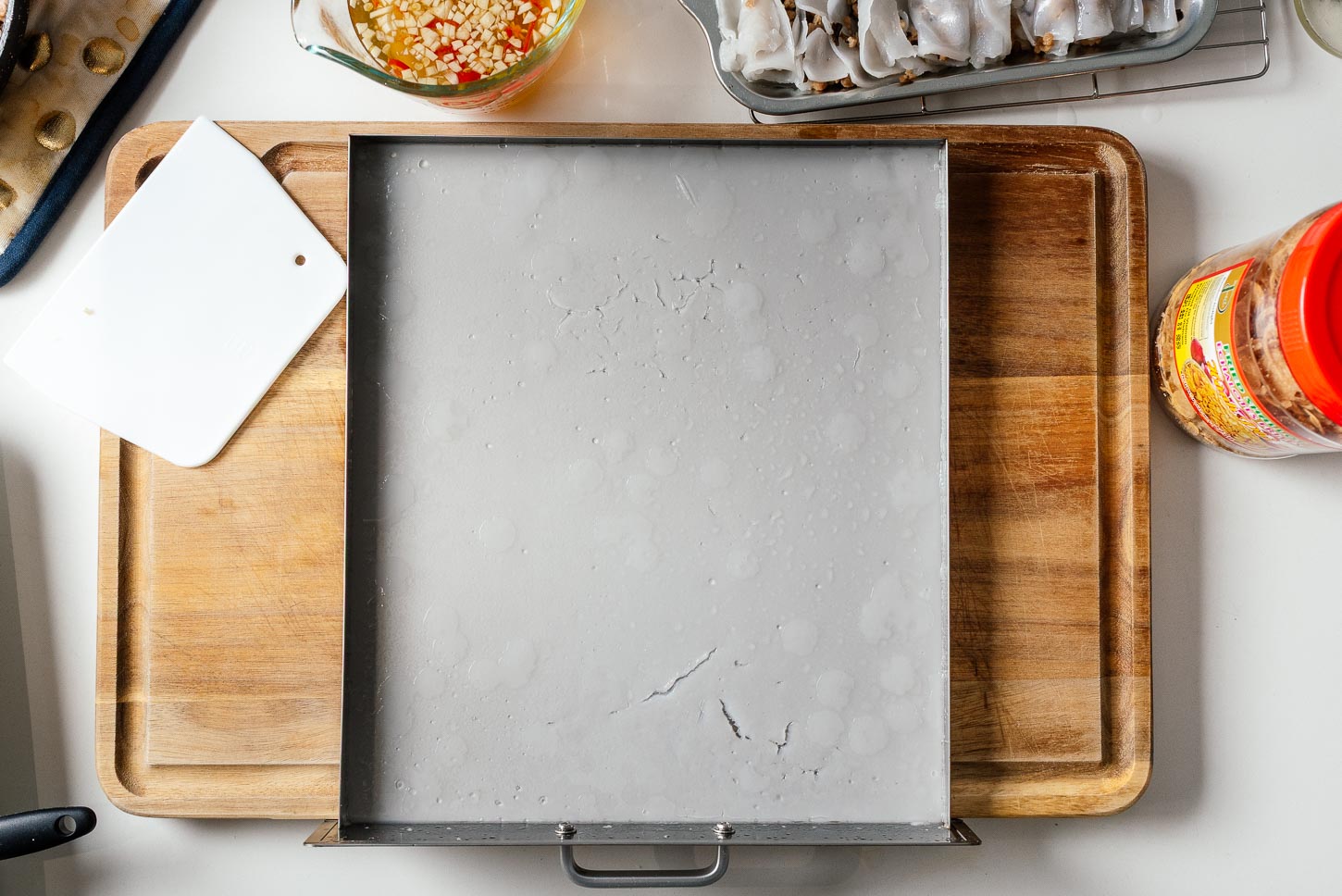
You need just enough batter to coat the steamer or pan. It helps if your pan or steamer is hot before you add the batter because the batter will start to cling to it immediately. Less is better in the case of batter. As for filling, I have a tendency to overfill things but the key to really good banh cuon is a light hand — you want the rice noodles to shine. The pork and mushroom filling is there for flavor and a textural accent. It’s kind of like a sprinkle, not so much a roll with meat inside. That being said, fill your rolls however you like. If you want to go protein-heavy, go for it, there are no banh cuon police watching you make your rolls.
Make sure you cook the banh cuon throughly
I find that a lot of the recipes on the internet say you only need to cook banh cuon for a short amount of time, like 30 seconds to 1 minute, but I found that steaming them for longer makes them better. I think that I’m sensitive to the taste of raw rice flour/tapioca starch so I like to err on the side of overcooked rather than have starchy, raw banh cuon. You’ll know the banh cuon is ready when it turns translucent, glossy, and shiny. The edges will start to pull away and the sheet will bubble up and away from the cooking surface. There’s really no drawback to cooking the sheets longer – they don’t fall apart, if anything, they become slightly more easy to work with.
What to serve with banh cuon
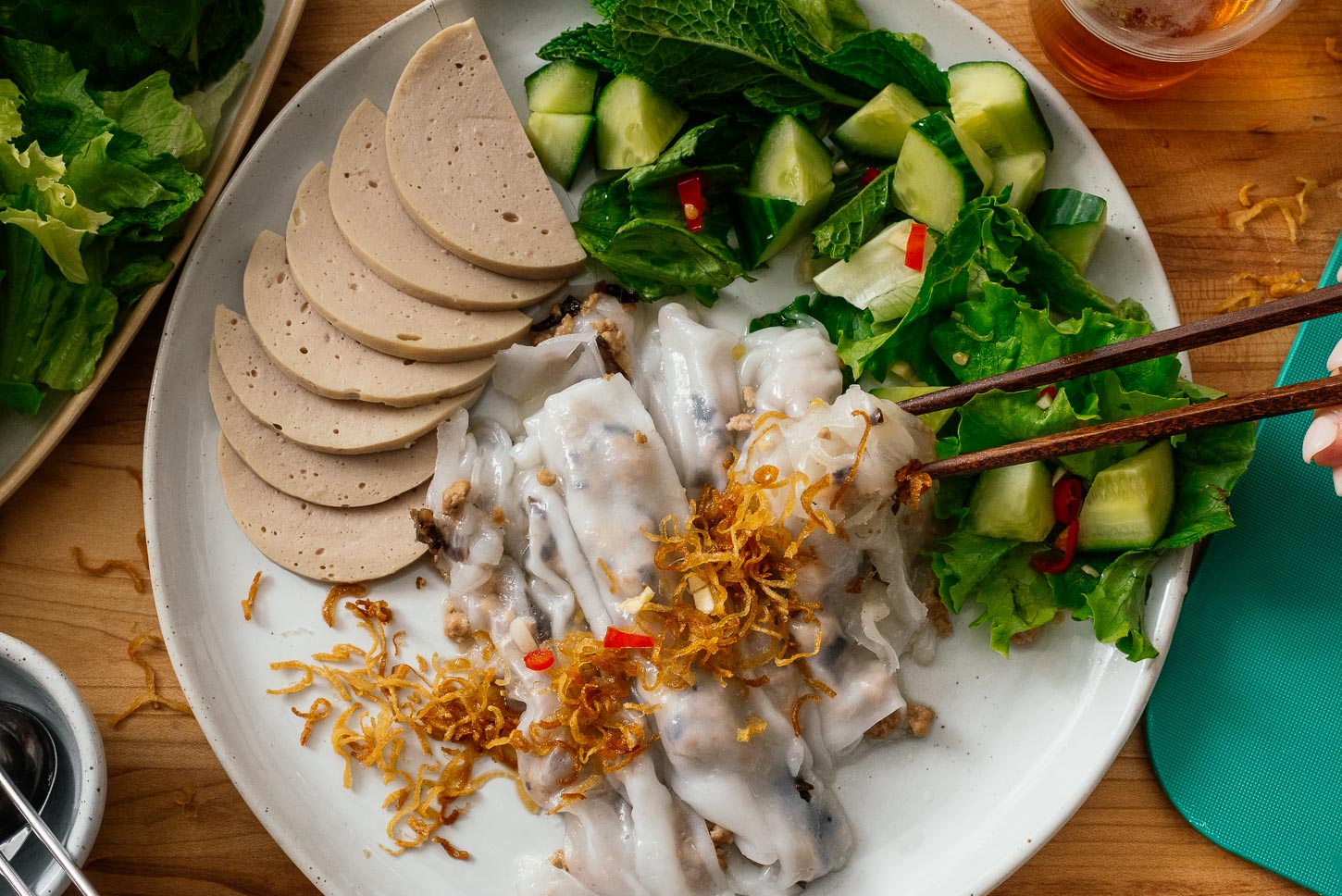
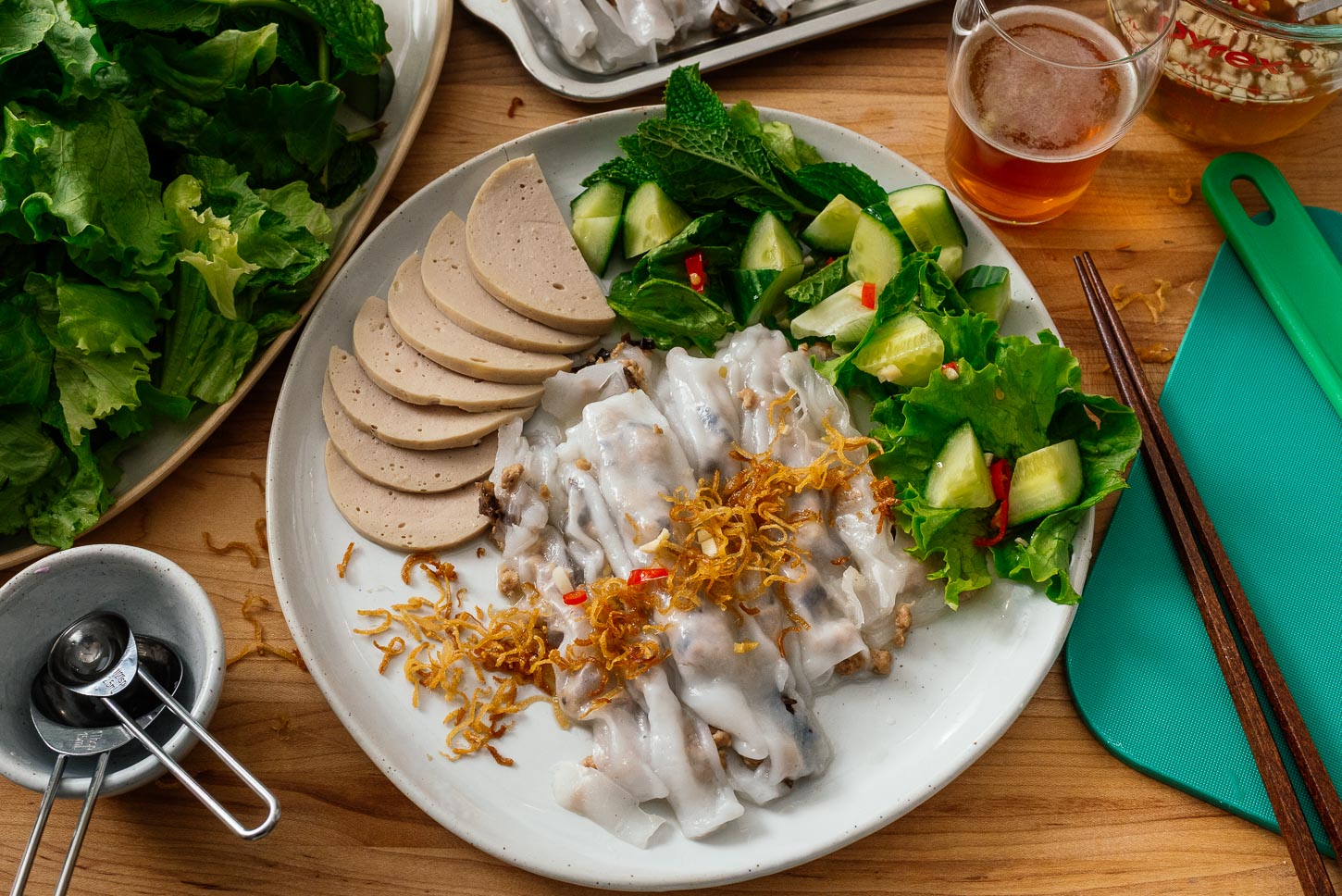
- fish sauce – this is what gives banh cuon that sweet and tangy, savory, eat-it-all-up vibe. Pour it on, as much or as little as you like.
- crispy shallots – for me, crispy shallots are absolutely necessary to this dish, but for Mike, he can take them or leave them. I love the sweet onion-y aroma and crunch they add.
- herbs – would it be Vietnamese food if there weren’t herbs? I say no. Thai basil, cilantro, and mint are the three that I go for every time.
- cucumbers – I like a little pile of cucumbers with banh cuon, they add freshness and crunch. You can cut them into matchsticks, slices, or half-moon slices.
- ham – Vietnamese ham, or chả lụa is often served with banh cuon to add some extra protein. You can find it, in uncut rolls at Vietnamese delis and grocery stores.
Banh cuon rice paper hack
There’s a rice paper hack floating around the socials where you use rice paper to make banh cuon instead of steaming your own rice rolls. I tried it to see how it compared and while it’s pretty damn delicious, it’s not banh cuon. But, if you have a craving and need your fix immediately, it definitely hits. All you need to do is make the banh cuon pork filling and get rolling. Soak your rice paper for slightly longer than you would when making summer/salad rolls and simply fill and roll up loosely. Douse in fish sauce and enjoy.
This was the longest, wordiest post ever and if you read the whole thing, you must love banh cuon as much as I do and you’re invited over for dinner!
banh cuon and fish sauce forever,
xoxo steph
Banh Cuon
Soft and tender Vietnamese rice noodles wrapped around a fragrant, super umami pork and mushroom filling and covered with fish sauce.
Serves 4
Batter
- 3/4 cup rice flour
- 1 cup tapioca starch
- 1 2/3 cups water
- 2 1/2 tsp neutral oil or shallot oil (see post)
- 1 1/4 cups boiling water
- 1/2 tsp salt
Filling
- 1 tsp neutral oil or shallot oil (see post)
- 1 tbsp shallot finely minced, about 1/2 a small shallot
- 1/2 lb ground pork
- 3 tbsp wood ear mushrooms soaked for 15-20 minutes in hot tap water, then drained and chopped
- 1/2 tbsp oyster sauce
- 1/2 tsp fish sauce
- 1/2 tsp sugar
- 1/4 tsp white pepper
Garnishes
- fresh mint
- green leaf lettuce shredded
- cha lua (Vietnamese ham)
- nuoc cham see notes
Prepare the batter: in a large bowl, hydrate the starches by whisking together the rice flour and tapioca starch with the room temp water (see ingredients list for amount). Once hydrated, whisk in the neutral oil (or shallot oil if using). Complete the batter by adding the boiling water and salt, mix well and rest for as long as you can, overnight is best.
Prepare the filling: in a frying pan, heat up a bit of oil over medium high heat. Add the shallots and cook, stirring, until soft and translucent, about 1-2 minutes.
Brown the ground pork, breaking into pieces as it cooks. When the pork is cooked, stir in the wood ear mushrooms.
Add the oyster sauce, fish sauce, sugar, and white pepper. Stir and cook for 1-2 minutes, then remove from the heat and let cool.
Prep your station: have a large cutting board for the rolling surface, neutral oil or shallot oil in a cup with a brush, a serving plate to put your finished rolls on, and the prepared filling. Lightly brush a layer of oil onto the cutting board and serving plate.
Make your rolls: Heat up a bit of oil in a non-stick 8 inch frying pan or square tamagoyaki frying pan over medium-low heat. Stir the batter well with your ladle and then pour a thin layer of batter (about 2 tbsp) onto the pan. Cover and cook for 2-4 minutes. When you lift the cover off, the rice paper should be translucent and puffing up from the bottom of the pan.
Finish your rolls: Tip the rice sheet onto the prepared cutting board and spoon in some of the filling. Carefully roll up the rice noodle sheet up and over the filling. Place the completed banh cuon on the prepared serving plate, and lightly brush with oil.
Repeat until all the banh cuon are made. Top the prepared fish sauce and toppings or side as desired.
For nuoc cham, combine 2 crushed/minced cloves of garlic with 2 tbsp sugar, 2 tbsp fresh lime juice, 2 tbsp fish sauce, and 1-2 sliced Thai chilies. Mix well and dilute with 2/3 cups of water, then rest for 2-3 hours in the fridge before enjoying. For more information, see https://iamafoodblog.com/fish-sauce/
Nutrition Facts
Banh Cuon
Amount Per Serving
Calories 377
Calories from Fat 112
% Daily Value*
Fat 12.4g19%
Saturated Fat 3.5g22%
Cholesterol 38mg13%
Sodium 406mg18%
Potassium 33mg1%
Carbohydrates 52.2g17%
Fiber 1.1g5%
Sugar 0.6g1%
Protein 11.9g24%
* Percent Daily Values are based on a 2000 calorie diet.
 admin
admin