
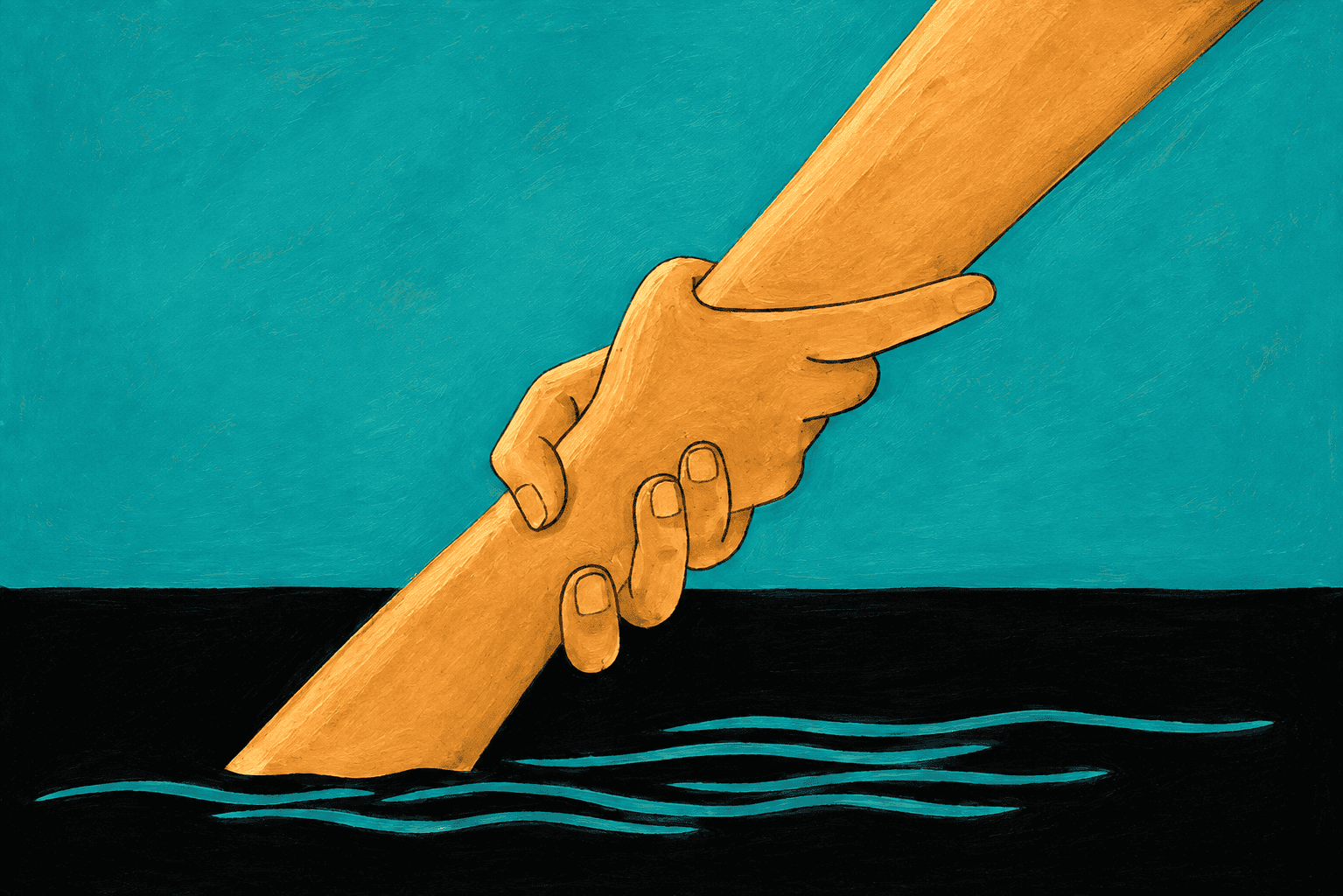
“The wound is precisely where the Light enters you.” ~Rumi
During my first winter, I figured out how to smile through my lies.
“How are you adjusting?” someone would inquire, and I would grin and respond, “Really well, thank you.” That was the most fluent English I used throughout the day.
I had transitioned from a vibrant, noisy, and bustling life to a serene apartment in a foreign land where the chill turned the air into something painful to inhale. I was a student, isolated from everyone who genuinely knew me. I should feel thankful.
And I was thankful. This was where it got complicated.
People back home had pooled their hopes, finances, and prayers to bring me here. My parents shared stories about me with particular pride in their voices. How could I admit to them that I was tearful in the cereal aisle?
Because I did. One night, I found myself in a grocery store seeking a vegetable I had always eaten, and I couldn’t find it under any name. That tiny absence broke me, and I wept before the frozen peas as if the ground vanished beneath me.
Then I wiped my tears, purchased something else, and sent my mother a picture of my “big Canadian grocery haul” along with three smiley faces.
This became the routine of my existence. Struggle privately, perform publicly, and send updates home like a pleased postcard. I constantly reminded myself that this signified maturity.
It was not maturity. It was a gradual, quiet vanishing.
I had an internal rulebook I never questioned. Others faced far greater challenges. Many would do anything to be in your position. You chose this, so you shouldn’t complain.
Every rule was, technically, accurate. Together, they forged a small cell where my emotions had no right to exist, since someone, somewhere, was always enduring more.
So I kept the loneliness neatly tucked away. I responded “I’m fine” so often that I nearly convinced myself those words could substitute for the truth. They couldn’t. The pain simply searched for other exits.
It manifested as headaches and a fatigue that rest couldn’t ease. It surfaced in snapping at the few individuals close enough to snap at, leading to self-loathing afterward. It appeared as lying awake at 3 a.m., scrolling through pictures of a home that was thriving perfectly well without me.
What ultimately shattered my facade was unremarkable. It seldom is.
A classmate I knew barely asked, “How are you, really?” and then did something almost nobody does. She paused. She tolerated my automatic “I’m good” without filling the void.
And for some inexplicable reason, in that silence, the truth spilled out. “Actually,” I confessed, “I think I’ve been incredibly lonely. I don’t believe I’m okay.”
I braced myself for her to look uneasy or to offer a bright, meaningless “You’ll be fine!” But instead, her expression softened, and she replied, “Yeah. Me too. It’s much harder than people acknowledge.”
That was it. No solutions, no rescues. Just one person expressing, “Me too,” and the prison wall revealing itself to be paper-thin.
I wish I could say everything transformed that night. It didn’t. Yet something small and persistent shifted, and I began to practice a terrifying new phrase: “I’m having a hard time.”
I shared it with a cousin, who confessed she had wept through her own first year abroad but never shared it with anyone. I voiced it to a neighbor who began leaving small surprises at my door. Eventually, I expressed it to a professional and learned that seeking support doesn’t imply being broken.
Each time, the same serene miracle occurred. What I felt so ashamed of turned out to be the most ordinary, human experience. I had been so preoccupied with concealing my struggles that I never allowed anyone the opportunity to meet me there.
This is what those years imparted to me, and what I would gently extend to you if you find yourself pretending too.
Gratitude and grief can coexist. You can appreciate an opportunity while still mourning what it cost you. One feeling doesn’t negate the other, and you don’t have to earn the right to feel pain.
“Someone has it worse” is not justification for silence. There will always be someone in a worse situation, and there will always be someone in a better one. Neither of them is experiencing your life. Your pain does not require a permission slip to be valid.
And being acknowledged does not equate to being weak. For years, I believed strength meant needing nothing from anyone. Now, I believe strength lies in allowing one trusted person to see the unedited version of yourself, even when your voice trembles.
If there’s one takeaway from this, let it be small and feasible. The next time someone inquires about your well-being, attempt to tell exactly one safe person a slightly truer response than “fine.”
You don’t have to explain everything. You don’t have to unravel. You can simply say, “It’s been tougher than I’ve let on,” and observe what unfolds in the ensuing silence.
I cannot promise it will resolve the cold, the distance, or the peculiar sorrow of whatever you’re grieving. But I can assure you this: you were never intended to bear it alone, and you were never as solitary as the facade made you feel.
The fracture you’re so ashamed of might be precisely where the light enters.
About Hareesma Amutha Venkatesan
Hareesma Amutha Venkatesan relocated from India to Canada independently and gradually recognized that seeking help requires its own form of courage. She now assists others in navigating their identity, belonging, and life transitions with compassion and zero judgment. Take her free 2-minute quiz, Is It Anxiety or Burnout?, and discover more gentle resources at Hap Therapy Care.
**The Effect of Stopping the Phrase “I’m Fine” on My Life**
In a society where expressing emotions is frequently suppressed by social norms, the expression “I’m fine” has turned into a default reply for numerous individuals. This seemingly harmless statement can conceal genuine feelings and establish obstacles to genuine communication. Choosing to abandon the phrase “I’m fine” can result in significant transformations in one’s emotional health, relationships, and overall quality of life.
**1. Heightened Emotional Awareness**
Stopping the use of “I’m fine” encourages a more profound exploration of one’s feelings. By recognizing emotions instead of brushing them aside, individuals can gain a clearer understanding of their emotional landscape. This practice nurtures self-awareness, facilitating a more intricate comprehension of what provokes specific feelings and how to tackle them constructively.
**2. Better Communication**
When people cease to shield themselves with “I’m fine,” they pave the way for more sincere discussions. This change can enhance communication with friends, family, and colleagues. Sharing authentic emotions fosters connection and understanding, enabling relationships to flourish based on authenticity instead of superficiality.
**3. Stronger Relationships**
As emotional honesty becomes prevalent, relationships can deepen. Friends and loved ones cherish vulnerability and tend to reciprocate. This mutual sharing of feelings can cultivate a supportive atmosphere where individuals feel secure to reveal their true selves, resulting in stronger connections and heightened trust.
**4. Lesser Stress and Anxiety**
Repressing emotions can contribute to heightened stress and anxiety levels. By leaving behind the habit of stating “I’m fine,” individuals can confront their emotions directly. This proactive stance can lighten the mental load of concealing feelings, leading to a healthier mindset and lower anxiety levels.
**5. Promotion of Vulnerability**
Eschewing the phrase “I’m fine” encourages vulnerability, which is often perceived as a weakness in numerous cultures. Nevertheless, embracing vulnerability can be empowering. It allows individuals to seek help when necessary and be more receptive to support from others. This change can result in personal development and resilience.
**6. Increased Authenticity**
Living authentically means remaining true to oneself, including one’s feelings. By halting the reflexive response of “I’m fine,” individuals can align their external expressions with their internal realities. This authenticity can bolster self-esteem and lead to a more fulfilling life, as individuals learn to accept their true selves without fear of judgment.
**7. Promotion of Emotional Intelligence**
As individuals practice articulating their genuine feelings, they enhance their emotional intelligence. This ability is essential for navigating social situations, resolving disputes, and comprehending the emotions of others. Elevated emotional intelligence can result in improved decision-making and interpersonal dynamics.
**Conclusion**
Deciding to stop saying “I’m fine” can profoundly influence various facets of life. From cultivating emotional awareness and enhancing communication to strengthening relationships and alleviating stress, this simple adjustment can lead to a more genuine and fulfilling existence. Embracing vulnerability and articulating true feelings not only benefits the individual but also creates a ripple effect, inspiring others to do the same. In a culture that frequently prioritizes appearances over authenticity, choosing to honestly express one’s emotions can be a revolutionary act of self-care and connection.