
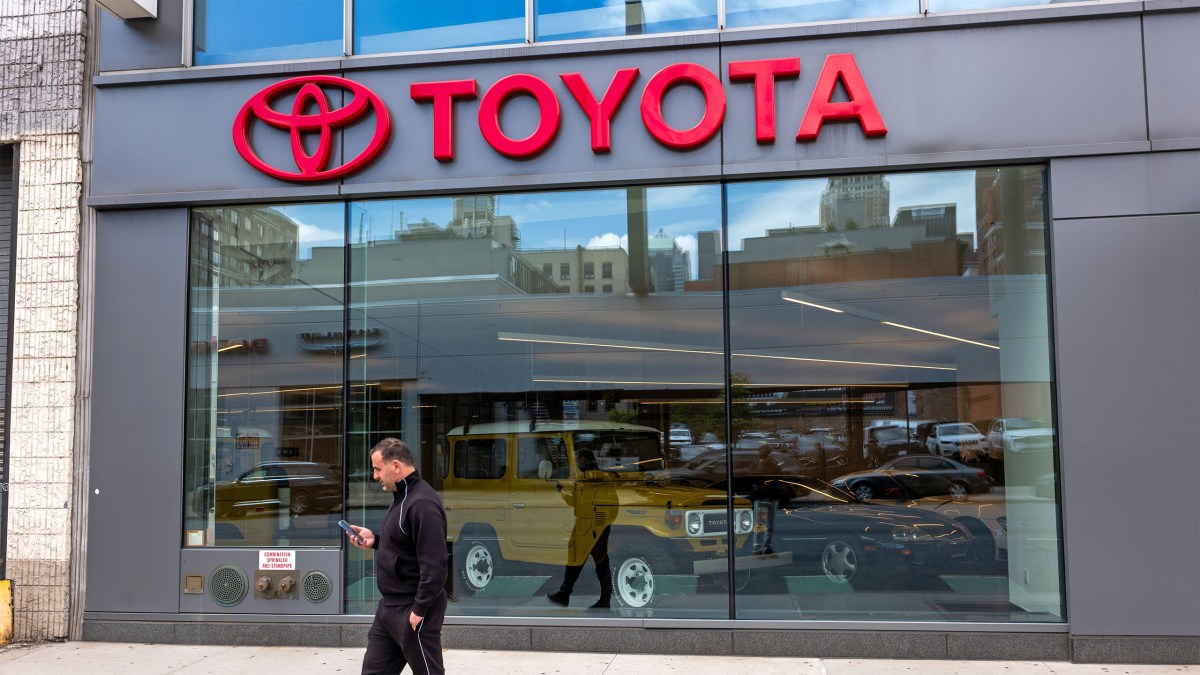
During the height of the COVID supply crisis, dealers eagerly profited as customers in need of vehicles faced two dilemmas: pay inflated prices or manage without a car. Now, many of these buyers are attempting to trade in their pandemic purchases for something new, and finance departments are encountering challenges in securing credit approvals since nearly one-third of them are now significantly underwater on their current loans.
Edmunds raised concerns earlier this year when the number of underwater customers facing loan rejections began to rise sharply. In March, a report indicated that over 25% of buyers had negative equity from prior loans. According to Automotive News, that figure climbed to 30% by Q2 and has remained consistent since.
This issue is self-reinforcing. Including negative equity in a new purchase means buyers are essentially paying off two vehicles simultaneously, while reaping the benefits of only the most recent acquisition. This shortfall is likely to persist into subsequent purchases. An individual with negative equity faces an average monthly payment of $944—$167 more than the typical buyer without such a liability. Indeed, the average new-car payment in the U.S. has now reached $777 monthly.
That $944 figure presumes, of course, that the buyer can secure financing, which AN indicates is becoming an increasingly prevalent issue. Dealers are expressing frustration that their finance departments are spending more time on each deal, as securing loans becomes more complex when buyers have negative equity, and locating a cooperative lender slows down the entire process for everyone involved—including other clients waiting in the showroom.
What might be even more alarming than the statistics (and their ripple effects) is that this current wave of negative-equity buyers differs from the traditional profile. Generally, this pattern is most prevalent among consumers who overstretch themselves to acquire rapidly depreciating luxury vehicles.
However, this time, it affects individuals who made significantly more prudent decisions, including purchasers of the Toyota Tundra, Ford F-150, Jeep Wrangler, and Honda CR-V—all known for retaining their value much better than the average model. The vehicle selection wasn’t to blame, as an analyst pointed out; rather, it was the financing terms that deserve the bulk of the criticism. Rising sticker prices, dealer markups, and more costly credit all worked together to elevate loan amounts—and place buyers in precarious situations.
Potentially, a great deal of trouble awaits. Edmunds now indicates that the typical buyer underwater on their trade-in was encumbered with nearly $7,000 in negative equity at the purchase time. Over the life of a loan, they have paid nearly $6,500 more in interest compared to the average buyer. That’s 60% higher than the average buyer, all to potentially repeat the cycle in three years. Yikes.
Have a news tip? Share it with us at [email protected]!
**Effects of COVID-Era Price Discrepancies on Automotive Dealers: A Relevant Review**
The COVID-19 pandemic has profoundly influenced various parts of the economy, with the automotive sector being no exception. A significant phenomenon seen during this time has been price discrepancies, especially within the car market. This piece delves into the repercussions of COVID-era price inconsistencies on car dealerships, analyzing the origins, results, and potential lasting impacts on the industry.
**Defining Price Discrepancies in the Automotive Sector**
Price discrepancies denote the act of elevating prices for goods or services to an excessive level, typically during times of crisis or emergency. In the automotive field, this has appeared through inflated costs for both new and used vehicles, heightened by a mixture of supply chain disruptions, rising demand, and limited inventory.
**Factors Contributing to Price Discrepancies During COVID-19**
1. **Supply Chain Disruptions**: The pandemic caused severe interruptions in production and logistics. Factory closures, semiconductor shortages, and shipping delays led to a sharp decline in new vehicle availability. Consequently, dealers confronted an inventory shortage, prompting price increases.
2. **Surging Demand**: As restrictions relaxed, consumer demand for vehicles soared. Many sought personal transport options to avoid public transportation, resulting in fierce competition for the limited inventory.
3. **Market Dynamics**: The interplay between supply and demand created a situation where dealers could raise prices without significant consumer resistance. The urgency of acquiring a vehicle in uncertain times allowed them to exploit the circumstances.
**Repercussions for Car Dealers**
1. **Profit Margins**: Although price discrepancies initially resulted in heightened profit margins for many dealers, the long-term viability of such strategies is questionable. As consumers become more knowledgeable about pricing trends, dealers might face pushback and a loss of customer loyalty.
2. **Reputation Damage**: Dealers engaging in price discrepancies risk tarnishing their reputations. Negative consumer sentiment can result in decreased future sales, as customers may opt for competitors viewed as fairer.
3. **Regulatory Focus**: Price discrepancies have caught the attention of regulators and consumer protection agencies. Some states enacted laws to curb such practices during emergencies, which may bring legal consequences for dealers who exploit the situation.
4. **Changes in Consumer Behavior**: The pandemic has shifted consumer behavior, with many buyers becoming increasingly price-conscious and informed. This transformation may provoke a more cautious purchasing approach, affecting dealers’ sales strategies.
**Long-Term Implications for the Automotive Sector**
1. **Market Adjustments**: As the market normalizes, it’s likely that prices will trend downward. Dealers may need to discover new methods to attract customers, emphasizing value and transparency over inflated pricing.
2. **Inventory Management**: The pandemic’s experience has underscored the necessity for effective inventory management. Dealers might invest in improved forecasting and supply chain strategies to alleviate future interruptions.
3. **Consumer Awareness**: Heightened awareness of pricing practices could lead to a more educated consumer population. Dealers will need to adjust by providing clear information and justifying pricing frameworks to retain trust.
4. **Technological Advancement**: The pandemic accelerated the embrace of digital sales platforms. Dealers may continue to bolster their online presence and simplify the purchasing process, facilitating consumers’ ability to compare prices and discover fair deals.
**Final Thoughts**
The effects of COVID-era price discrepancies on car dealerships have been significant, reshaping the automotive landscape in ways that are likely to echo for years to come. While certain dealers may have profited in the short term, the enduring consequences of tarnished reputations, regulatory scrutiny, and evolving consumer behaviors pose substantial challenges. As the industry progresses, prioritizing transparency, customer loyalty, and innovative approaches will be crucial for achieving success in a post-pandemic landscape.