
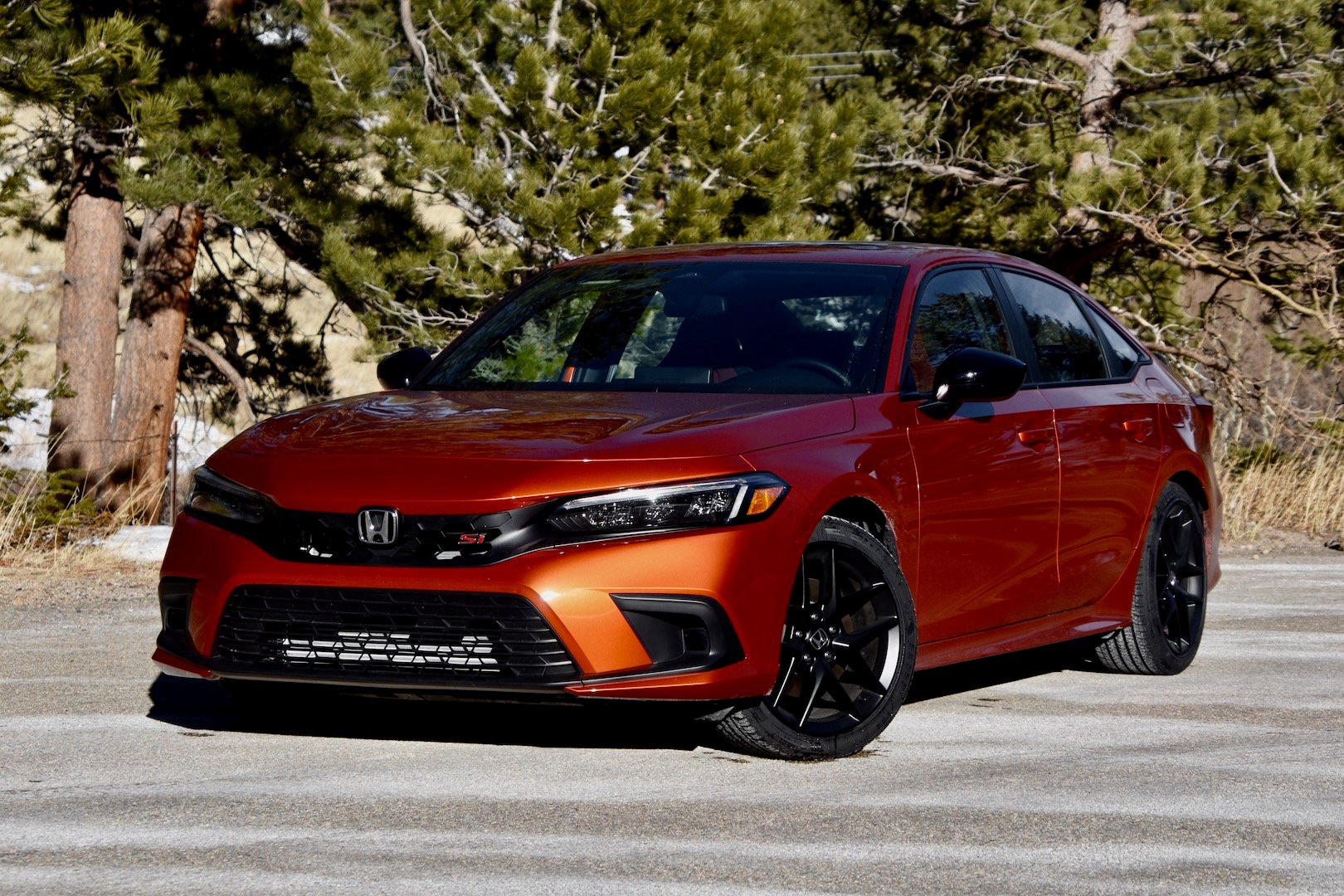
Automobile prices are skyrocketing. With average new vehicle transaction prices hovering around $50,000, some dealers have taken to selling salvaged vehicles since many buyers can’t afford anything else in their inventory. However, if you think the industry has acknowledged that this trend is untenable, think again.
As of June 30, the average advertised price of a new vehicle hit $51,974, marking a new high that surpasses a nearly three-year-old record, reports Automotive News. “Average advertised price” refers to the price dealers display for a specific vehicle including discounts, highlighting what dealers are charging rather than the prices set by manufacturers. The data utilized by Automotive News stems from the inventory and pricing information of 133 nameplates sourced from franchised dealers’ websites, which represent a major segment of the market, excluding brands such as Tesla, Lucid, and Rivian that sell directly to consumers.
The previous record was initially broken by a slight margin. On June 26, prices exceeded the prior record of $51,820 (established on July 7, 2023) by just a dollar. Over the next four days, it rose an additional $154. By the end of June, the average price was $2,421—or 4.9%—more than it was a year prior, and $314 above the previous month.
Asking prices increased across most, but not all, market segments compared to the previous year, according to Automotive News. Compact sedans experienced the highest surge, with their average advertised price climbing by $2,869—12%—since the end of June 2025. This trend could be attributed to buyers seeking more affordable new cars, as well as a growing interest in sedans leading Detroit automakers to consider reintroducing them.
Five segments witnessed average price declines, but most were uncommon. Convertibles saw a 9.8% drop, followed by minivans at 3.2%. What Automotive News refers to as “full-size and extra-large luxury SUVs” along with “luxury vans” also experienced price cuts, though categorizing these two as market segments is somewhat nuanced.
Out of the 133 nameplates monitored, 99 experienced price hikes, though some, like the Nissan Rogue’s 0.2% rise, were minimal. Five nameplates recorded average advertised price jumps of over 10% from a year earlier. The Kia Telluride saw a striking 16.4% increase, while average prices for the Toyota RAV4 went up by 15.7% compared to the previous year. Both are well-liked models that just received redesigns, indicating that the price increases likely reflect heightened demand. Conversely, Hyundai Ioniq 5 prices dropped by 17%, while Jeep Wrangler prices fell 4% compared to a year ago.
**New Vehicle Prices Hit Unprecedented Levels, with Sedans Seeing the Greatest Growth**
In recent months, the automotive sector has experienced remarkable price escalations, with new vehicle prices hitting unprecedented levels. This trend has been especially evident in the sedan market, where prices have shown some of the steepest increases. Numerous factors contribute to this situation, including disturbances in the supply chain, shifting consumer preferences, and economic circumstances.
**Current Market Snapshot**
As of late 2023, the average cost of a new vehicle in the U.S. has surpassed $48,000, marking a considerable rise relative to previous years. This surge is not confined to luxury automobiles; sedans, which have typically been regarded as budget-friendly options, are also witnessing significant price raises. According to industry analyses, the average cost of new sedans has grown by over 15% in the last year alone.
**Reasons Behind Price Increases**
1. **Supply Chain Issues**: The lasting repercussions of the COVID-19 pandemic have affected global supply chains, causing shortages of essential components like semiconductors. These shortfalls have disrupted production levels, resulting in fewer vehicles available for purchase. As demand exceeds supply, prices are naturally pushed higher.
2. **Inflationary Pressures**: The wider economic climate, marked by rising inflation rates, has similarly influenced vehicle prices. Increased expenses for raw materials, labor, and transportation have been transferred to consumers, contributing to the overall uptick in new vehicle costs.
3. **Evolving Consumer Preferences**: There has been a discernible shift towards larger vehicles, such as SUVs and trucks. Nonetheless, sedans, once the cornerstone of the American automotive landscape, are experiencing a revival in appeal, especially among budget-conscious shoppers. This renewed interest, combined with constrained availability, has further inflated prices.
4. **Interest Rate Climbs**: Increasing interest rates have impacted consumer financing opportunities. As borrowing costs rise, potential buyers may gravitate towards more economical sedan choices, inadvertently heightening demand for these models and leading to price increases.
**Effect on the Automotive Sector**
The peak prices present substantial challenges for the automotive sector. Manufacturers are attempting to strike a balance between production levels and consumer demand. Some automakers have responded by boosting sedan production to take advantage of the rising interest, while others are concentrating on vehicles with higher profit margins.
Moreover, dealerships are adjusting their sales approaches in light of the shifting market conditions. Many are accentuating the value proposition of sedans, showcasing features and advantages that resonate with cost-sensitive consumers.
**Prospective Outlook**
As we approach 2024, the forecast for new vehicle prices is unpredictable. While some experts anticipate that prices may stabilize as supply chain complications are resolved and production increases, others warn that inflationary pressures and ongoing economic challenges could sustain elevated prices.
For consumers, the current market dynamics require cautious deliberation when considering the purchase of a new vehicle. Those looking for a sedan may encounter higher prices; however, with smart shopping and negotiation, there remain chances to secure a reasonable deal.
In conclusion, the automotive market is transforming swiftly, with new vehicle prices hitting record levels and sedans observing some of the most notable surges. Grasping the key factors driving these shifts is vital for both consumers and industry players as they navigate this intricate market.