
Regardless of what you think about Gen Z, this vibrant group shows impressive taste in automobiles, at least according to classic car insurer Hagerty. The firm has been analyzing its insurance quote data to identify generational patterns, this time focusing on vehicles that have gained notable popularity among Gen Z (defined as individuals born between 1997 and 2012). Gen Z stands as the forthcoming wave of collector-car aficionados, providing some insight into the potential future of the hobby.
What Hagerty uncovered is that Gen Z exhibits similar preferences to Millennials—particularly in its attraction to Japanese automobiles. This trend is logical, given that both generations grew up during the peak of the Japanese auto industry’s influence. The nostalgia for cars that were thrilling and new during one’s formative years is typically the strongest aspect of automotive enthusiasm.
According to Hagerty’s findings, four out of the five top cars favored by Gen Z enthusiasts are Japanese. Three are JDM vehicles that weren’t available in the United States when released new but can now be imported following the 25-year rule. However, they aren’t the typical picks.
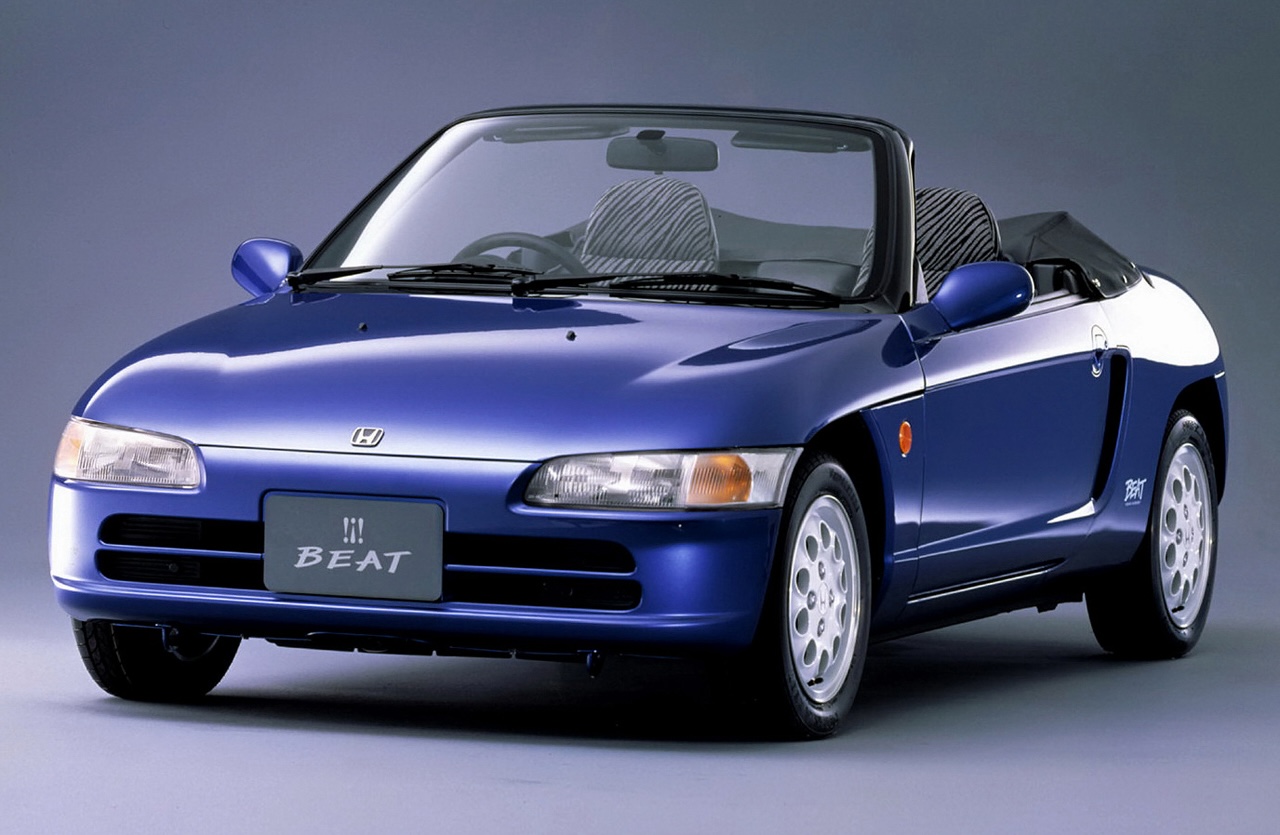
Certainly, the Mitsubishi Lancer Evolution VI shares Gran Turismo fame and a motorsports legacy with other JDM legends like the Nissan Skyline GT-R. Nonetheless, Hagerty indicates that Gen Z has a fondness for both the Toyota Celsior (what the Lexus LS was called in its domestic market for a while) and the Honda Beat, more so than the customary sports cars and homologation versions usually regarded as essential to JDM admiration.
The other two vehicles are even more unexpected. The Acura RSX is often disregarded by older Honda enthusiasts, even though it occupies the same nostalgic sweet spot for both Millennials and Gen Z. The same applies to the only non-Japanese car on the list—the Chevrolet Cobalt SS. Both of these early 2000s sport compacts deserve greater appreciation, and perhaps Gen Z will provide it.
Hagerty notes that several of these vehicles are likely drawing more interest from Gen Z enthusiasts because they are affordable to purchase at this moment, and as Gen Z earns more disposable income, they might transition to different models. Naturally, that process may take some time. Hagerty estimates that Gen Z makes up only 10% of the collector-car market, while Millennials account for 20%. Boomers and Gen X collectively represent almost two-thirds of the market, ensuring that muscle cars will continue to prevail in auction listings for the foreseeable future.
**Hagerty Findings Showcase Gen Z Car Enthusiasts’ Affinity for Japanese Vehicles and the Chevy Cobalt SS**
In recent times, the automotive scene has observed a notable change in preferences among younger generations, particularly Generation Z. A recent study by Hagerty, a prominent automotive lifestyle brand and insurance provider, has illuminated the specific interests of Gen Z car enthusiasts, highlighting their strong affinity for Japanese cars and an unexpected liking for the Chevy Cobalt SS.
**Japanese Cars: The Appeal of Reliability and Performance**
Hagerty’s research reveals that Japanese vehicles are at the forefront of Gen Z’s automotive favorites. This trend is due to multiple factors that resonate with the values and interests of this demographic. Japanese brands such as Honda, Toyota, Subaru, and Nissan are known for crafting reliable, efficient, and well-designed cars. The charm of Japanese vehicles extends beyond their dependability; they offer a rich lineage of performance-centric models that have become cultural mainstays.
Models like the Honda Civic Type R, Toyota Supra, and Nissan 240SX have attracted a dedicated following among youthful enthusiasts. These vehicles are often praised for their modifiability, affordability, and the thriving aftermarket support that enables owners to customize their cars. Furthermore, social media’s rise has heightened the visibility of these models, with platforms like Instagram and TikTok showcasing modified builds and automotive culture, further sparking interest among Gen Z.
**The Chevy Cobalt SS: An Unexpected Treasure**
While Japanese cars reign supreme in Gen Z’s preferences, the Chevy Cobalt SS has surprisingly become a beloved choice within this generation. Produced from 2005 to 2010, the Cobalt SS often gets overshadowed by its more renowned rivals but has gained popularity for its performance and affordability.
Featuring a turbocharged engine, the Cobalt SS delivers an exhilarating driving experience, making it an appealing option for young enthusiasts seeking an economical performance car. Its sporty design, combined with a reputation for being enjoyable to drive, has allowed it to carve out a distinct niche among Gen Z car fans. The Cobalt SS represents a unique fusion of American power and nimble compact car handling, attracting those who value both performance and practicality.
**Cultural Impact and Community Involvement**
The preferences of Gen Z enthusiasts mirror broader societal trends that emphasize individuality, sustainability, and community. Japanese cars, often linked with a lively tuning culture, empower young drivers to express their unique style and creativity. Online communities, social media networks, and local car gatherings offer spaces for enthusiasts to connect, share experiences, and showcase their vehicles.
Additionally, the growing enthusiasm for electric and hybrid cars among Gen Z is shaping the automotive market. Numerous Japanese automakers are leading the initiative in crafting eco-friendly alternatives, aligning with the sustainability values that resonate with younger consumers.
**Conclusion**
Hagerty’s revelations about Gen Z’s automotive preferences underscore an intriguing convergence of culture, performance, and community. The prominent attraction to Japanese vehicles, alongside the increasing popularity of the Chevy Cobalt SS, highlights a generation that seeks both reliability and excitement in their car choices. As these trends evolve, the automotive industry will likely adjust to fulfill the expectations of this emerging group of enthusiasts, influencing the future of car culture for years to come.