
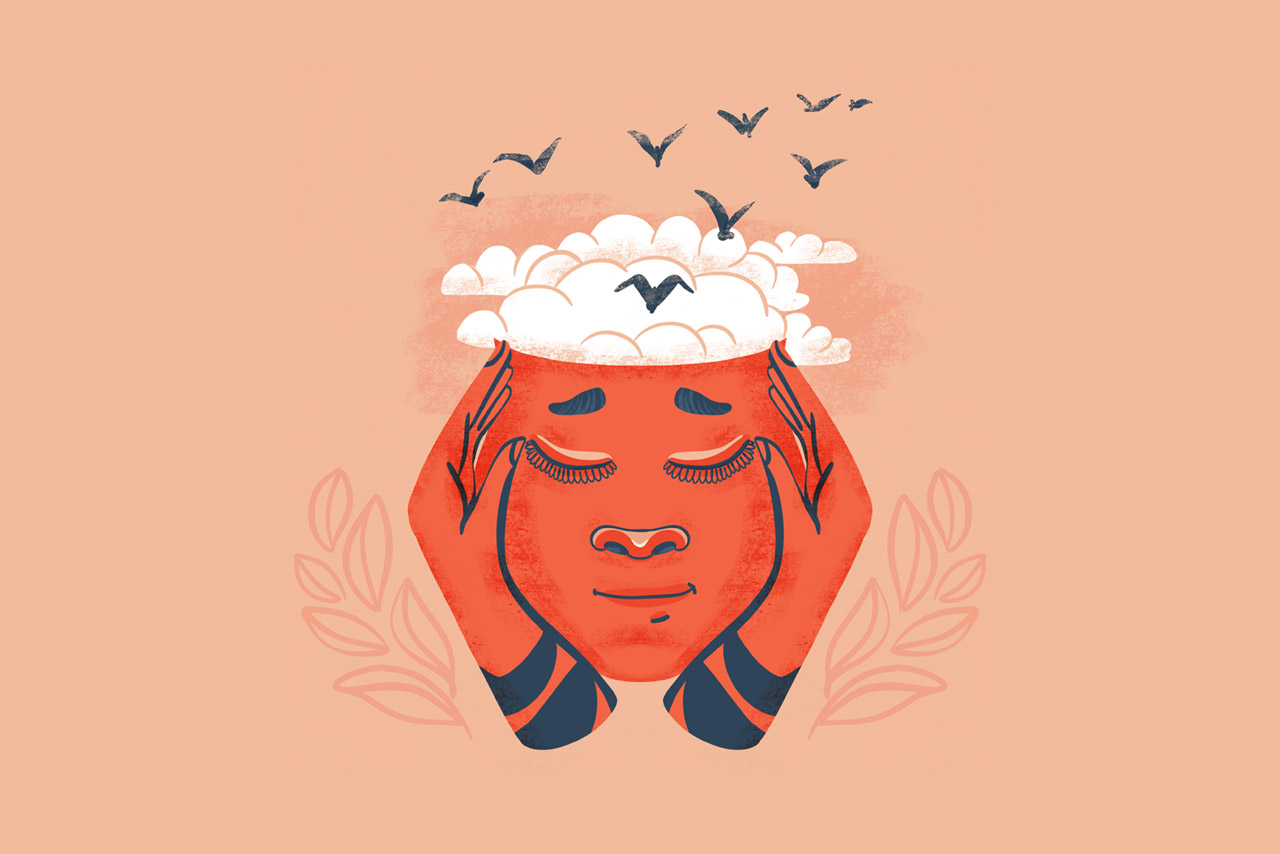
“Anxiety is the dizziness of freedom.” ~Soren Kierkegaard
Let me be clear:
This is not a piece about positive thinking.
This is not a piece on how silver linings make every situation right.
This is not a piece on how your view of anxiety is entirely mistaken.
Young people refer to these ideas as “toxic positivity.”
No toxic positivity present here.
This is an article about my enduring connection with anxiety and the lessons I’ve gathered from something that refuses to disappear. There are moments when the anxiety surges and feels nearly debilitating. I struggle to value the insights during those times, yet they persist.
That is the essence of this article.
Do not mistake my acquisition of knowledge from something that lingers for my endorsement of that thing or any implication that it is beneficial. I would exchange everything I’ve learned from anxiety just to experience less of it. I even dislike writing about this topic because dwelling on it amplifies my anxiety. Nevertheless, I aspire to write content that assists others.
How a Bare Butt Triggered My Anxiety
Stranger Things has depicted how fantastic the eighties were, and largely, that’s accurate. I yearn for arcades and the music. I miss the freedom I experienced as a child, which seems absent for today’s youth. I miss some of the fashion trends. I don’t miss the lack of awareness about mental health.
We played football every afternoon after school at a local baseball field/park. This was unmonitored tackle football with older kids.
I recall one incident when a boy suffered a broken finger, bent at a ninety-degree angle back towards him. He dashed home in a panic. One of the older boys exclaimed, “He’s running home to Mommy!” and we resumed our game.
Strangely, the thought of possibly breaking my finger didn’t frighten me. What did frighten me was when a child, while sprinting for a touchdown, was tackled, and another kid snagged the top of his pants, pulling them down and revealing his bare backside. He scored the touchdown anyway, but while everyone else found it hilarious, it frightened me to death.
What if that occurs to me?
I began tying my pants with a string every day, pulling them tight enough to cause discomfort (this was the eighties—I wore those neon pajama-pant-like bottoms). I started feeling queasy before playing football, before school, and before everything.
You might think it was evident that I was experiencing anxiety, but remember, in the eighties and nineties, we didn’t discuss mental health like we do now. We didn’t casually use terms like anxiety and depression. I was simply the odd kid who vomited before school.
The anxiety has become more apparent in recent years. It appears to have intensified since contracting COVID in 2020 and 2021. I’m unsure if that’s a trend, but it certainly feels that way. It has compelled me to confront it mindfully and with greater purpose. It’s never enjoyable, but I’ve gathered some insights.
1. Anxiety has instructed me to stay present.
The overwhelming presence of high anxiety compels me to exist precisely where I am in that moment. I cannot read or write. I cannot enjoy playing video games or watching movies. There’s nothing I can engage in.
This anchors me in the present in an incredibly intense and genuine manner. This might seem negative given my anxiety, but it offers another layer. When I can fully experience the physical sensations of anxiety, I see that they are energy within my body. When I’m entirely present, I can observe how my mind transforms those sensations into the emotion labeled anxiety, and that’s where my distress originates.
2. Anxiety has educated me about control.
I’ve been informed that my hyper-independence and desire to be ready for anything is a response to trauma. I was a therapist for a decade, and I still don’t know how to process this realization. What I do understand is that anxiety provides a crash course in what I can control and what remains beyond my control.
The bad news is that I cannot control the factors I believe are causing my anxiety. The good news is that I can manage my reactions to those elements. Anxiety mandates that I do this with intention.
Anxiety also directs my focus onto something larger than myself. Perhaps it’s that higher power referenced in AA meetings and award ceremonies. It’s beneficial for me to step outside of my own mind and realize that I’m not responsible for anything. It helps to only operate within my limits.
3. Anxiety teaches me to maintain healthy habits and boundaries.
I tend to let my habits and boundaries deteriorate when things are going well. I begin to eat poorly, neglect exercise, stay up late, and consume an excess of shows and films that funnel negativity and distraction straight into my mind.
I also start permitting unhealthy and even toxic individuals a more significant place in my life. This all happens under the pretense of helping them since people frequently reach out to me. Over the years, I’ve learned that I must restrict how close I allow the most toxic individuals to be, no matter their need for assistance.
When I’m in a good place, I start thinking I can manage anything, and my boundaries weaken. Anxiety consistently serves as a reminder that the negativity in my life carries weight, and I tend to clean up when it spikes.
4. Anxiety highlights the significance of growth.
Once I tidy up, I begin exploring new projects and activities to improve my state of mind. I take the necessary steps toward becoming who I aspire to be. This has been challenging over the past three years as my anxiety episodes have been intense, but I perceive a light at the end of the tunnel as the healthy habits I’ve instilled and new endeavors I’ve initiated start coming to fruition.
I chose to let my counseling license remain inactive and shift my focus to life coaching because it’s less stressful, and I excel at it. This would not have transpired without anxiety. I have modified my diet and exercise in response to both blood pressure and anxiety—these are beneficial habits regardless of whether I’m feeling anxious.
5. Anxiety has taught me to be kind.
I’ve often expressed my aspiration to treat people with more gentleness. I’m not unkind, and I have considerable compassion for others, but I tend to express this too bluntly or directly. This is a reflection of my upbringing, and I often believe I am belittling others if I don’t communicate directly when offering assistance.
During periods of heightened anxiety, I feel fragile, which aids me in understanding how others might respond to my straightforwardness. I began focusing on being gentler around 2018, but I was disheartened by my progress.
Coincidentally, it was around that time that anxiety began reestablishing itself in my life. Reflecting now, I can see that I often show increased kindness to those around me when I’m anxious. Feeling a bit fragile allows me to treat everyone else with greater care.
6. Anxiety has taught me to slow down and seek assistance.
As I began encountering heightened anxiety, it pushed me to make rapid decisions and alter things in an attempt to cope. This is understandable as, evolutionarily, anxiety encourages us to take action.
However, the problem is that these decisions rarely yield the best outcomes and often result in other challenges I end up facing later. Because of this, I’ve realized that an anxiety spike is not the ideal time for significant decision-making.
If I must make a choice about something, I take my time and try to be very deliberate. I’ve also learned to discuss it with someone else—something I had never been inclined to do. Asking for help is a beneficial act.
7. Anxiety can also expedite my actions.
Yes, yes, yes, this contradicts what I just stated.
Let me clarify.
Among the most important quotes I’ve ever encountered came from folk singer Joan Baez: “Action is the antidote to anxiety.” (Years later, I discovered she might have meant despair instead of anxiety, but I initially perceived it as the former).
Certain tasks incite anxiety that I’d prefer to avoid. These typically entail phone calls or emails to bureaucratic bodies or errands that bring discomfort and anxiety (avoiding them is logical—our evolutionary history doesn’t grasp why we would undertake something perceived as potentially dangerous).
Over time, I’ve come to understand that anxiety diminishes if I tackle these tasks head-on. The fascinating part is that this mindset has transferred to numerous daily activities.
By acting despite my anxiety, I’ve become quite efficient at doing things as they need to be done. I mow the lawn when it requires mowing, take out the trash when it’s ready to go, tidy up the laundry promptly, and change the oil in my truck when necessary.
Once we begin tackling tasks promptly, it evolves into a habit. Anxiety has facilitated this.
Anxiety Remains Challenging
So there it is. Seven lessons that anxiety has imparted to me. I appreciate these insights, but they don’t diminish the challenges of anxiety in the present moment.
Anxiety is designed to be difficult. It aims to create hurdles and discomfort until we take action to confront the issue. Unfortunately, the root of the problem is often insurmountable today.
We worry about losing our jobs, financial instability, divorce, and the overall condition of the world. Anxiety did not develop to address these issues, so sometimes sitting with discomfort is the best thing we can offer ourselves.
Perhaps that’s the final lesson anxiety is imparting to me.
About James Scott Henson
James is a writer dedicated to assisting individuals in overcoming challenges and making significant changes in their lives. He has spent over two decades as a social worker, meditation teacher, and licensed counselor. Now focused on life coaching, he supports others in reaching their goals and creating the life they desire. As a writer, James publishes insightful posts on Substack, crafting thousands of words monthly to inspire, challenge, and motivate his audience.
**7 Key Insights Gained from Living with Anxiety**
Living with anxiety can be a daunting journey, yet it often offers significant lessons and insights that can foster personal development and resilience. Here are seven essential lessons learned while navigating life with anxiety:
1. **The Importance of Self-Awareness**
Recognizing anxiety is the first step toward managing it. Living with anxiety cultivates deep self-awareness, enabling individuals to identify triggers, patterns, and emotional reactions. This self-understanding can lead to improved coping strategies and a richer self-awareness.
2. **Embracing Vulnerability**
Anxiety frequently invokes feelings of vulnerability. Embracing this vulnerability can enhance connections with others. Sharing experiences and emotions fosters empathy and support, helping dissolve the stigma associated with mental health.
3. **The Value of Mindfulness**
Engaging in mindfulness can significantly alleviate anxiety symptoms. Practices like meditation, deep breathing, and grounding exercises help individuals remain present and diminish overwhelming feelings. This lesson underscores the significance of living in the moment instead of being lost in future worries.
4. **Seeking Help is a Strength, Not a Weakness**
Navigating life with anxiety shows that reaching out for assistance—whether through therapy, support groups, or medication—is a sign of strength. Acknowledging the need for help can lead to effective management of anxiety and improved quality of life.
5. **Resilience Amid Challenges**
Confronting anxiety each day builds resilience. Overcoming challenges reinforces the belief that one can manage difficult situations. This lesson emphasizes perseverance and the ability to recover from setbacks.
6. **Establishing Boundaries**
Anxiety often makes the need for personal boundaries evident. Learning to say no and prioritize self-care is vital for maintaining mental health. This lesson highlights the importance of safeguarding one’s energy and well-being.
7. **Finding Delight in Small Moments**
Living with anxiety can shift the focus from broader concerns to cherishing small moments of joy. Whether it’s a stunning sunset, an engrossing book, or a comforting cup of tea, recognizing and savoring these moments can bring solace and happiness amidst anxiety.
In conclusion, while living with anxiety presents numerous hurdles, it also imparts profound lessons that can catalyze personal growth and a deeper comprehension of oneself and others. Embracing these insights can create a pathway to a more satisfying life.
 admin
admin