
Numerous racetracks have fallen victim to soaring real estate prices recently, with their expansive turns or steep banks giving way to housing subdivisions or warehouses. Fortunately, for the time being, Virginia International Raceway will not join that list.
Since its reopening in 2000, the owners have managed the track and its amenities but not the underlying land. It operated under a 100-year lease from the Foote family, the landowners. Last month, VIR revealed that it has “secured full ownership of the land it operates on.” This grants the VIR team complete authority over the future of the track while also allowing more room for development.
“VIR can continue to thrive indefinitely,” stated Connie Nyholm, CEO and co-owner of the track. “With everything essentially ours now, we are eager to navigate VIR’s future.”
Established in 1957, VIR hosted prominent sports car races featuring legends like Carroll Shelby and Hurley Haywood before shutting down in 1974. The track returned to agricultural use until 1998 when Nyholm and co-investor Harvey Siegel orchestrated the lease. They oversaw the track’s revival in 2000. Siegel exited co-ownership in 2013, with Mark and Tara Rein joining Nyholm as co-owners in 2020.
In its renewed form, VIR boasts five configurations ranging from the 1.1-mile Patriot Course to the 4.2-mile Grand Course. VIR continues to host professional racing, though on a limited scale. As of publication time, the only professional event confirmed for 2026 is an IMSA GT race scheduled for the weekend of August 21.
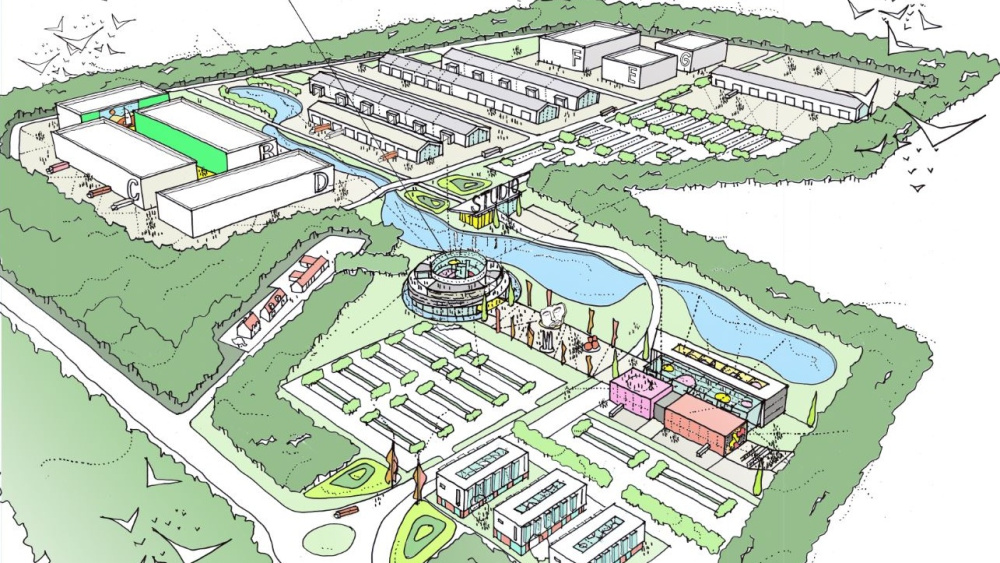
Nonetheless, VIR’s swift and challenging layout attracts many for record attempts by manufacturers and track days. To support the latter, current ownership has worked to enhance amenities, including several trackside villas. The previous lease arrangement was a barrier to this, Nyholm indicated in the announcement. Securing the land empowers ownership with greater opportunities to expand VIR, which helps generate additional revenue and better insulate it from the challenges that have affected other tracks.
Establishing a new track is challenging enough, but even long-standing venues have encountered demolition recently. California’s Irwindale Speedway was sold to a developer in 2022, with demolition starting earlier this year. The owner of Michigan’s Grattan Raceway has been seeking to sell the property for at least two years, demanding an ambitious $15 million in the last inquiry.
**VIR Operator Secures Land Under Track, Blocking Development Projects**
In a notable development with repercussions for local growth and the future of motorsports in the area, the operator of Virginia International Raceway (VIR) has successfully secured ownership of the land beneath the racetrack. This acquisition is regarded as a strategic measure to protect the facility from potential developmental plans that might jeopardize its operations and the local environment.
### Background
Virginia International Raceway, situated in Alton, Virginia, is one of America’s oldest road courses, recognized for its demanding layout and scenic surroundings. Throughout the years, the track has been the venue for various motorsport events, including professional racing series, amateur contests, and driving schools. Its unique position within the motorsport community has rendered it a significant asset for both racing fans and the local economy.
### The Acquisition
The recent transaction securing the land beneath the track was motivated by concerns regarding impending development efforts in the area. As urban growth continues to infiltrate rural locales, there has been mounting demand for residential and commercial projects that could disrupt the racetrack’s activities. By obtaining ownership of the land, the VIR operator aims to guarantee that the venue remains an active site for motorsport events and ancillary activities.
### Implications for Development
Now that the land is under the VIR operator’s control, any forthcoming development proposals in the immediate vicinity will encounter substantial challenges. This acquisition effectively establishes a protective buffer around the racetrack, restricting the types of developments that can occur nearby. This move is anticipated to maintain the integrity of the racing facility while safeguarding the surrounding ecosystems from potential disturbances linked to new constructions.
### Economic Impact
The preservation of Virginia International Raceway holds significant importance not only for motorsport but also for the local economy. The racetrack draws thousands of visitors annually, benefitting local establishments such as hotels, restaurants, and retail shops. By obstructing disruptive developments, the VIR operator significantly contributes to sustaining a stable economic environment that benefits the community as a whole.
### Future of VIR
This acquisition is viewed as a proactive measure to ensure the longevity of Virginia International Raceway. With the land secured, the operator can concentrate on improving the facility, luring in more events, and potentially broadening its offerings. This may include new racing series, corporate gatherings, and community outreach efforts that further fortify the track’s status as a top-tier motorsport destination.
### Conclusion
The acquisition of the land beneath Virginia International Raceway signifies a pivotal advancement in the ongoing quest to protect and promote motorsport within the region. By taking this decisive action, the VIR operator has not only ensured the racetrack’s future but also reaffirmed its dedication to the local community and economy. As the motorsport landscape continues to change, the strategic choices made today will define the future of racing in Virginia for generations to come.