
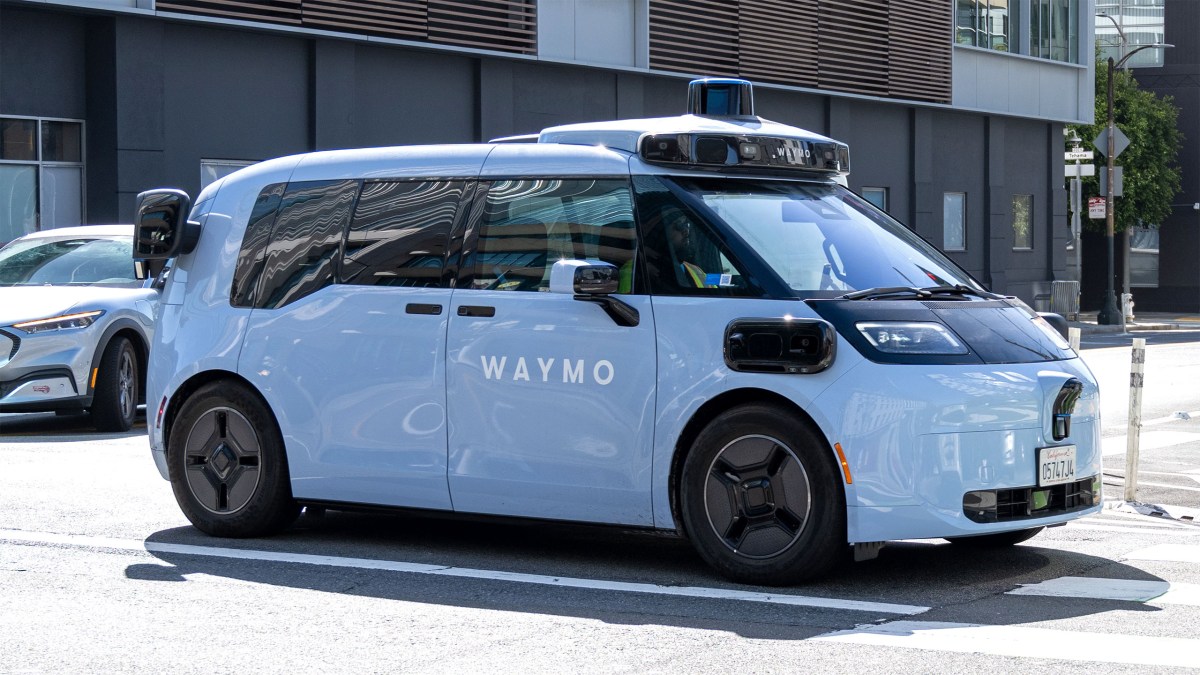
The National Highway Traffic Safety Administration has recently introduced a plan to “safely unleash American innovation” by, among other measures, eliminating brake pedals from self-driving cars that it asserts do not need them.
Specifically, the agency seeks to revise Federal Motor Vehicle Safety Standard (FMVSS) No. 135, “Light vehicle brake systems.” Standard No. 135 was first introduced in 1995, and passenger vehicles have evolved significantly since that time. This intended change would not alter any stopping distance regulations outlined by No. 135, only the requirement for a pedal in vehicles operated by autonomous-driving technology, with the assessment of braking system capabilities being conducted in an “alternative” way.
At this still nascent phase of robotaxi development, not every company’s approach is the same in terms of progress or design. For instance, Waymo eliminates human safety monitors, whereas Tesla continues to retain them (to some extent). This situation may change soon—the company is trialing Cybercabs without human intervention in Austin—and changes in regulations like these align well with its intended path.
If firms do not consider having a monitor in the vehicle as necessary, then the removal of brake pedals might not hold much significance. The emerging issue is that NHTSA is dismantling barriers it has labeled “meaningless,” without seizing this moment to address impending challenges.
For instance, a footnote on Page 9 highlights that, “NHTSA is taking no stance at this time on how a passenger might direct an ADS-operated vehicle to stop, or how the ADS should react to such instructions. NHTSA will keep evaluating this concern as it tackles ADS performance.” If you’re in the process of eliminating brake pedals, this might seem like an opportune moment to establish some form of failsafe or emergency shutdown protocol for passengers in malfunctioning AVs. I assume that regulators plan to address this concern when it arises, to put it mildly.
There are some promising concepts outlined. One measure that actually reinforces the NHTSA’s assertion of aiming to modernize without “negative implications for vehicle safety” is its stated stance on “telltales,” referring to a brake indicator visible to occupants. “Some stakeholders have suggested that telltales are pertinent only to the driver, and that information just needs to be communicated to the ADS for vehicles not intended to be operated by a human driver. NHTSA tentatively disagrees with this approach,” the framework states.
The proposal mentions other, less critical modernizations in consideration, such as the absence of windshield wiper controls in self-driving vehicles. Ultimately, what all this achieves is simplifying the path for aspiring robotaxi operators to bring their products to the market, which is beneficial for those in the robotaxi business. For the rest of us, the advantages are less immediately evident.
Have a suggestion? Contact [email protected]
**Traffic Authorities Aim to Boost Robotaxi Technology by Eliminating Brake Pedals**
In a groundbreaking initiative intended to transform urban transportation, traffic authorities are examining a proposal to advance robotaxi technology by eliminating conventional brake pedals from autonomous vehicles. This effort is part of a broader strategy to enhance safety, efficiency, and the overall user experience in the swiftly changing domain of self-driving vehicles.
### The Justification for the Proposal
The key drive for the removal of brake pedals in robotaxis arises from the distinctive operational capabilities of autonomous vehicles. Unlike human operators, self-driving systems are outfitted with cutting-edge sensors, cameras, and artificial intelligence that enable them to make instantaneous decisions based on a variety of factors, including traffic conditions, pedestrian movements, and road dangers. By discarding the brake pedal, regulators seek to simplify the architecture of these vehicles, potentially declining the chances of human error and boosting the reliability of automated driving systems.
### Safety Considerations
Safety remains a critical concern in the rollout of robotaxis. Supporters of the proposal contend that the absence of a brake pedal could foster more steady and predictable driving behavior. Autonomous vehicles can be programmed to react to situations with accuracy, utilizing algorithms that prioritize safety over human instinct. This might alleviate issues linked to abrupt braking or unpredictable driving patterns commonly associated with human-operated vehicles.
Additionally, the lack of a brake pedal may deter passengers from interfering with the vehicle’s operation, thereby allowing the autonomous system to maintain optimal control at all times. This could lead to a reduction in accidents triggered by driver distraction or panic reactions.
### Technological Advancements
The initiative to remove brake pedals aligns with ongoing innovations in autonomous vehicle technology. Numerous companies are already crafting systems that leverage predictive analytics and machine learning to foresee and respond to possible dangers. By concentrating on a pedal-free design, manufacturers can further innovate in areas such as vehicle-to-everything (V2X) communication, which allows vehicles to engage with traffic signals, other vehicles, and infrastructure to boost safety and efficiency.
### Regulatory Framework
For this proposal to materialize, it will demand a comprehensive regulatory framework that considers the consequences of such a significant alteration. Traffic regulators will need to establish new safety standards and testing protocols to ensure that robotaxis without brake pedals can function safely in various environments. This may entail extensive pilot programs and collaboration with technology developers to evaluate the performance of these vehicles in practical situations.
### Public Perception and Acceptance
Public buy-in will play a crucial role in the success of this project. A significant number of consumers remain doubtful about the safety of autonomous vehicles, and the notion of eliminating a fundamental control mechanism like the brake pedal may provoke concerns. To assuage these worries, stakeholders will need to engage in transparent communication, offering data and evidence that illustrate the safety and effectiveness of the new design.
### Conclusion
The proposal to enhance robotaxi technology by discarding brake pedals marks a notable advancement in the development of autonomous transportation. By capitalizing on advanced technology and prioritizing safety, traffic authorities aspire to create a more efficient and dependable urban mobility solution. As this initiative moves forward, it will be vital to balance innovation with public safety and acceptance, paving the way for a future where robotaxis become a common form of transportation.