
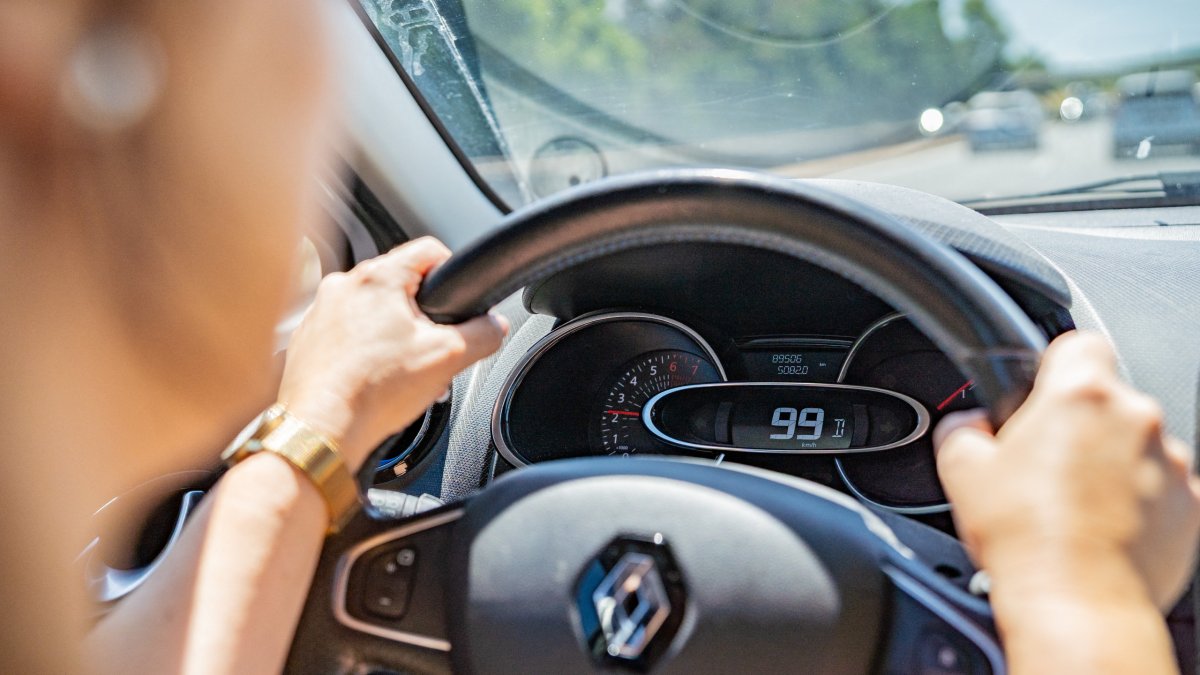
It’s been a turbulent few weeks in the realm of Big Brother news—so much so that a particularly concerning report managed to go unnoticed by nearly everyone. As per the Daily Mail, the European Commission aims to gain the authority to compel cars to adhere to speed regulations using GPS technology.
European vehicles already come equipped with speed monitoring systems from the factory, and no, I’m not only referring to speedometers. Starting in 2024, the EU has mandated that all new vehicles include a GPS-based system that keeps track of the current speed limit and audibly alerts the driver if it is exceeded. These “Intelligent Speed Assist” systems are frequently found in vehicles sold outside the EU as well, although the warning feature is often optional or disabled.
This is reportedly a “weakened” version of the original proposal from the Commission, which sought a comprehensive, satellite-driven speed control system. European car manufacturers, likely worried about a significant consumer backlash, lobbied vigorously to have the plan scrapped. Now, officials from the Commission are again advocating for full authority, the report mentions.
“This was always intended to be a temporary measure,” a source allegedly informed the Mail. “Ultimately, we will simply regulate the speed of the vehicle so that exceeding the limit is impossible.”
Is this simply a case of slippery-slope scare tactics? Take into account the source, as always. But also consider this: We’re already witnessing elements of ISA technology finding their way into cars headed for the U.S. If remote speed regulation becomes compulsory in Europe, the technology will likely arrive here too, even if it is kept inactive due to regional software configurations.
Beyond general public opinion, there’s an additional issue with using ISAs as speed regulators: their accuracy is questionable. According to a study conducted in June, these GPS-based indicators fail to capture critical events (like a sudden change in speed limit) up to 25% of the time.
“The poorest performing vehicle in real-world testing achieved 91.3% accuracy across the distance traveled,” the report stated. “When evaluated on an event-based standard, the system reached 74.3% accuracy. This implies that for about 1 in 4 incidents, ISA displays the incorrect speed limit.”
“This is simply below the performance threshold that most drivers would accept and trust regarding ISA,” the report commented.
“The top-performing vehicle in real-world testing registered 98.39% accuracy over the driven distance, indicating a near-flawless system,” the report continued. “This same vehicle’s accuracy based on events was 90.3%. This shows that with roughly 1 in 10 incidents being erroneous, even systems that perform relatively well on UK roads are insufficient for widespread acceptance.”
But there’s no need to fret, they have a fix for that. These proposed advanced ISAs will incorporate 5G data from surrounding connected devices to enhance your location precision. That certainly sounds a bit too familiar. However, it’s not that alarming that our movements are being continuously tracked, is it? After all, if you’re not doing anything wrong, you have no reason to be concerned.
Have a news tip? Share it with us at [email protected]!
**The European Union Suggests Satellite-Driven Speed Control for Vehicles**
In a notable step towards improving road safety and decreasing traffic-related deaths, the European Union (EU) has suggested the introduction of satellite-based speed control for vehicles. This initiative seeks to utilize advanced satellite technology to monitor and regulate vehicle speeds across member states, thereby encouraging compliance with speed limits and enhancing overall traffic management.
### Background
Traffic incidents remain a primary cause of death and injury throughout Europe. As per the European Commission, over 22,000 lives were lost on EU roads in 2020 alone. In light of these concerning figures, the EU has been investigating innovative methods to bolster road safety. The proposed satellite-based speed control system is part of a larger strategy to incorporate intelligent technologies into transportation infrastructure.
### How It Works
The suggested system would make use of Global Navigation Satellite Systems (GNSS), like the European Galileo system, to ascertain the precise location and speed of vehicles in real-time. By accessing a repository of speed limits tailored to various road types and circumstances, the system could automatically adjust the vehicle’s speed.
1. **Real-Time Monitoring**: Vehicles outfitted with GNSS receivers would continuously send their speed and location information to a centralized system.
2. **Speed Limit Repository**: The system would consult a thorough database that features speed limits for diverse roads, factoring in elements like road conditions, weather, and construction sites.
3. **Automatic Regulation**: Should a vehicle surpass the prescribed speed limit, the system may notify the driver through audible warnings or visual alerts. In more sophisticated versions, the system might even take action by constraining the vehicle’s speed.
### Benefits
The establishment of satellite-based speed regulation offers various potential advantages:
– **Improved Road Safety**: By ensuring adherence to speed limits, the system could considerably lower the frequency of speed-related accidents and fatalities.
– **Enhanced Traffic Flow**: Regulating speeds can foster smoother traffic patterns, alleviating congestion and enhancing travel durations.
– **Environmental Benefits**: Adhering to optimal speeds may result in reduced fuel consumption and lower emissions, aiding the EU’s environmental objectives.
– **Data-Driven Policy Making**: The information gathered could furnish valuable insights for urban planners and policymakers, enhancing road infrastructure and safety measures.
### Challenges and Considerations
Though the proposal brings numerous benefits, several challenges must be tackled:
– **Privacy Issues**: The gathering of real-time location data raises important privacy concerns. Ensuring secure and transparent data handling will be essential.
– **Implementation Expenses**: The establishment of the necessary infrastructure and technology may necessitate substantial investments from both public and private entities.
– **Public Backing**: Achieving public support for such a system will necessitate effective communication regarding its advantages and operational framework.
### Conclusion
The EU’s initiative for satellite-driven speed regulation signifies a progressive approach to road safety and traffic management. By harnessing satellite technology, the proposal aspires to create safer roads, diminish fatalities, and promote sustainable transport practices. As discussions advance and pilot initiatives are explored, the success of this endeavor will rely on meticulous planning, stakeholder involvement, and tackling the challenges that lay ahead.