
Envision a different reality where Honda’s premium brand shared its name with blue extraterrestrials. Acura celebrates its 40th anniversary this year, and alongside a press announcement commemorating this occasion was a compilation of suggested names for the brand, which debuted on March 27, 1986. Among those potential names was Avatar, with many other gems included as well.
The origins of Acura actually trace back to April 1, 1984, when Honda made public its intentions for a high-end brand. At that time, Honda engaged the San Francisco-based NameLab to devise a name for the brand, which was referred to internally as Channel 2. The selected name needed to “capture the essential notions for the new brand—precision and quality,” according to the announcement.
Alongside Avatar, other suggestions believed to reflect precision and quality included: Ascara, Fulmar, Artiga, Aranda, Asama, Cigna (or Signa), Jacari, Jacama, Jacaro (or Jacara), Tucano, and Tamano. Also under consideration were Formula—potentially as an allusion to Honda’s then-leading F1 engine program—and Jarama, a name previously employed by Lamborghini for a largely forgotten sports vehicle.
Hindsight offers clarity, but it’s still difficult to envision how any final selection could differ from Acura. The name is derived from the Latin “acu,” translating to “precise” or “sharp,” but it also evokes the English word “accurate,” a synonym for precision stemming from the same Latin origin. A name beginning with “A” also enabled the creation of a caliper-shaped emblem that further links the brand to the idea of precision.
Having a name with Western origins was essential, as the prevailing belief at the time was that Japanese car manufacturers required new luxury brand names to market higher-end vehicles to image-conscious American consumers. This same rationale led to the birth of Infiniti and Lexus, yet Acura was the pioneer. It set itself apart from competitors through a dual strategy featuring the Legend and the smaller, more affordable Integra, along with a focus on racing almost from the start.
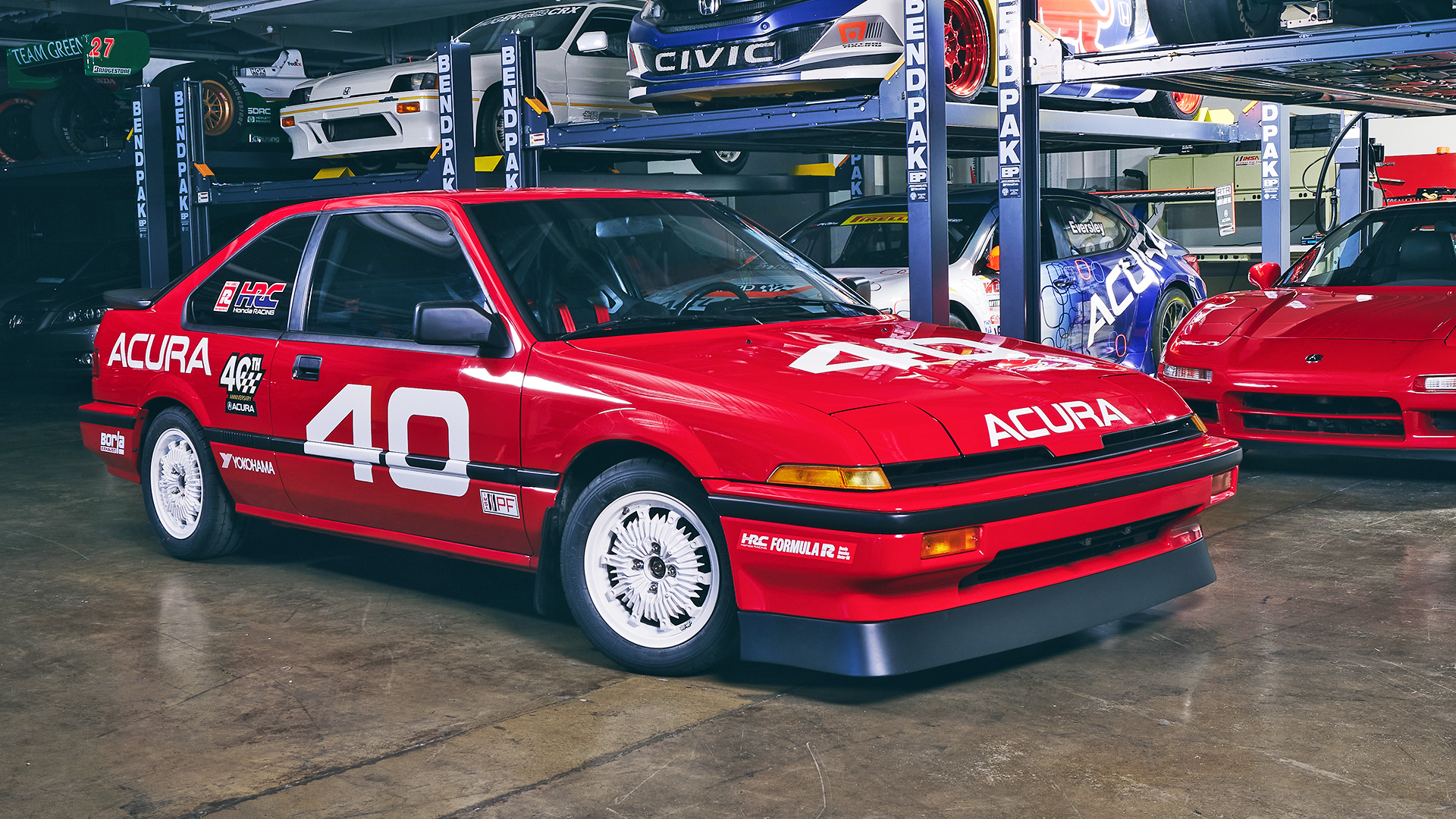
Acura didn’t hesitate to enter the Integra in the IMSA International Sedan Series, securing consecutive manufacturers’ and drivers’ championships from 1987 to 1990. Acura constructed a replica of that initial Integra race car to commemorate its 40th anniversary, serving as a reminder of what makes the automaker exceptional as it possibly faces a midlife crisis. Uncertainties surrounding future product strategies leave Acura’s direction uncertain moving forward.
### Rejected Names for Acura: Artiga, Jacama, and Avatar
In the automotive field, the process of naming new models is a crucial element of branding and marketing. Acura, Honda’s luxury automobile division, has considered various names for its models, some of which were ultimately not selected. Among these are the names Artiga, Jacama, and Avatar. Each name possesses its distinctive meanings and potential implications for branding, yet for different reasons, they did not make the final selection.
#### Artiga
The name “Artiga” conveys a feeling of artistry and elegance, implying a vehicle that is simultaneously fashionable and forward-thinking. The term might be related to artistic creativity, appealing to consumers who appreciate design and aesthetics in their automobiles. However, the name may have been seen as too vague or lacking immediate recognition within the luxury automotive arena. Acura likely pursued a name that would resonate more effectively with its intended audience, resulting in the rejection of Artiga in favor of alternatives that aligned more closely with the brand’s identity.
#### Jacama
“Jacama” offers a distinctive and exotic sound, potentially positioning it favorably in the luxury market. The name has a melodic quality that might suggest agility and high performance, traits desirable in a premium vehicle. However, the likelihood of mispronunciation or confusion with existing brands could have been a considerable factor in its decline. Acura may have sought a name that was not only unique but also easy to articulate and recall, ensuring that it would shine in a competitive field.
#### Avatar
The name “Avatar” carries strong associations with identity and representation, derived from its presence in popular culture, especially in film and gaming. While it connotes a sense of modernity and technological progress, the name is also closely linked to James Cameron’s renowned film and its franchise. This connection might have introduced legal hurdles or concerns about brand dilution for Acura. Furthermore, the name may have been perceived as too closely tied to cultural references, possibly narrowing its appeal in a global marketplace. Acura likely favored a name that could function independently and steer clear of potential trademark issues.
### Conclusion
The process of choosing a name for a new vehicle is intricate and multi-dimensional, involving considerations of branding, marketability, and cultural significance. The rejected names Artiga, Jacama, and Avatar each had their distinct qualities but ultimately did not align with Acura’s vision for its brand identity. By meticulously selecting its model names, Acura endeavors to establish a strong and cohesive brand image that resonates with luxury consumers on a global scale.
 admin
admin