Porsche Draws Motivation from Hyundai's Winning Approaches

The world has been completely shaken up. What was previously down is now up, and what was up is down, with uncertainties creeping in, and water might not even be wet. Hyundai has developed something so impressive that Porsche simply had to acquire it. And now it has.

On Wednesday, the 2027 Porsche Taycan was revealed featuring faux gear shifts and, as stated by the German manufacturer, “more expressive electric sport sound.” Additional minor updates were introduced, including a Tesla-like native NACS charging port.

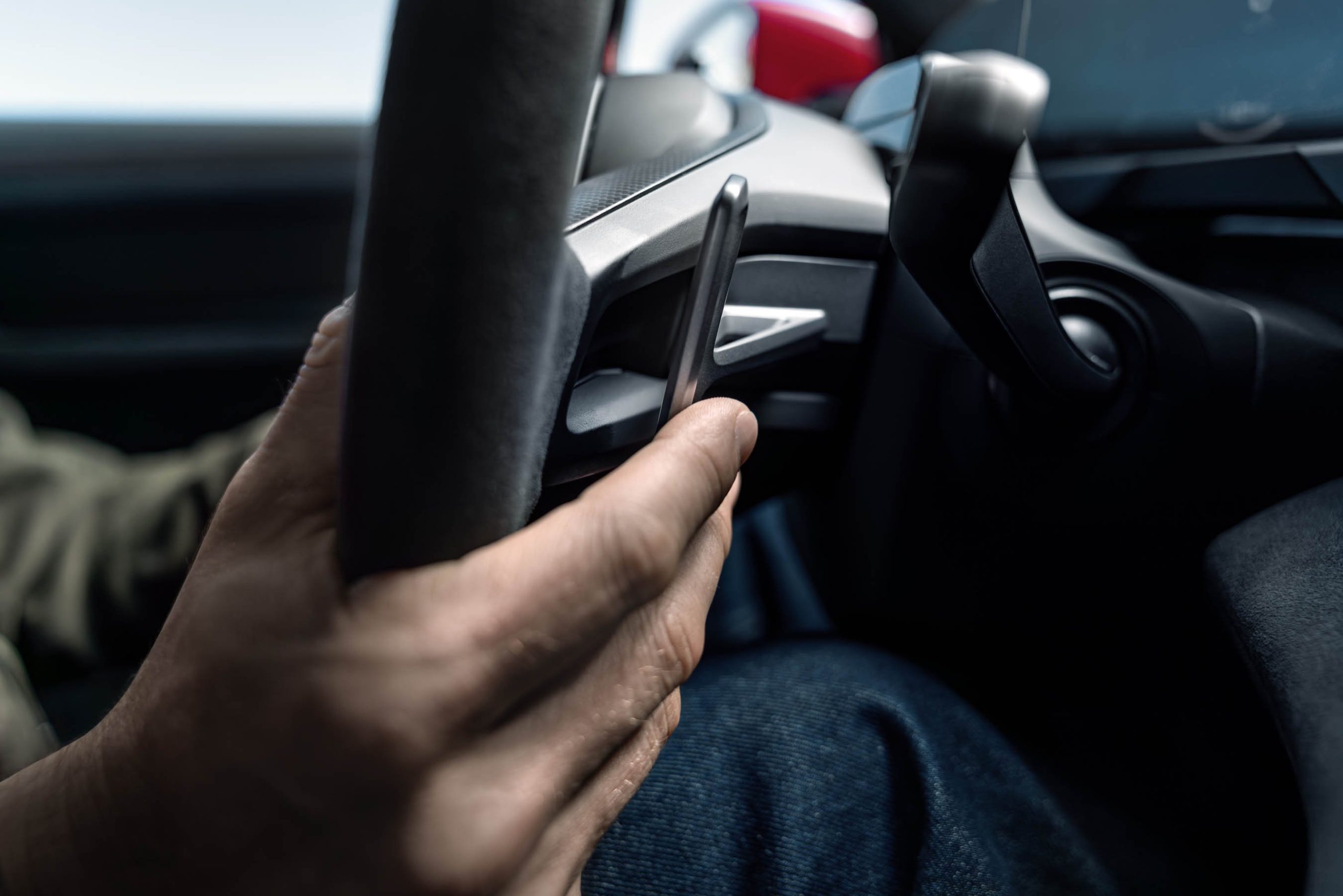
The faux gear shifts are referred to as “virtual gears” with the function known as E-Shift, according to Porsche. This feature is available on all 2027 Taycan variants, though it comes standard on the Turbo GT model, promising a “noticeable shift motion,” as described by the manufacturer.

The virtual gearbox can be operated by paddle shifters on the GT Sport steering wheel to emulate eight gears. The E-Shift feature can be activated via a new mode switch located on the steering wheel. The system includes both automatic and manual modes.

Taycans have previously had simulated noise, but now Porsche stated that the system, which utilizes speakers to emit synthetic noise into the environment similar to Hyundai’s, has been “reinterpreted,” as per the manufacturer. It’s officially termed Porsche Electric Sport Sound, flirtatiously close to sport exhaust.

Porsche has also incorporated a virtual rev counter into the 2027 Taycan to register the artificial revs from the faux transmission.

Every 2027 Taycan, excluding the Turbo GT with Weissach Package, possesses a Tesla-like NACS DC fast-charging port located on the front fender on the passenger side. The driver-side front fender continues to feature a J1772 AC port. Porsche confirmed that a CCS adapter will be included with the Taycan.

koslowskiphoto_2025

The Taycan is also equipped with a refreshed infotainment system for 2027. Porsche claims the updated system is contemporary, minimalist, and now showcases a 3D model of the vehicle in the actual color of the customer’s choice. Configurable widgets are now integrated into the system along with improved voice control that features AI-enhanced Voice Pilot. Apple CarPlay and Android Auto remain available and are now more deeply integrated, including optimized charging planner capabilities. Porsche has also modernized the wireless smartphone charger with MagSafe technology and up to 25 watts of power.

Taycan, Taycan 4, and Taycan 4S models now come standard with a larger 105 kWh battery pack, branded as the Performance Battery Plus. It is rated for a peak charging rate of 320 kWh when connected to an 800-kW DC quick charger.

Porsche announced that orders for the 2027 Taycan are now being accepted, with a starting price of $114,250 that includes a substantial $2,350 destination charge. Deliveries are slated to commence in the fall.

Have a lead on an upcoming product or feature? Reach out to us at [email protected]


**Porsche Gains Insights from Hyundai’s Successful Tactics**

In the fiercely competitive automotive sector, manufacturers are persistently searching for inventive tactics to bolster their market presence and enhance their product offerings. Recently, Porsche, the legendary German sports car manufacturer, has begun to draw inspiration from Hyundai, a South Korean automaker recognized for its impressive transformation and success on the global stage.

### Hyundai’s Ascendancy to Prominence

Hyundai’s evolution from a budget brand to a cherished entity in the automotive industry represents a proof of effective strategic planning and implementation. In recent decades, Hyundai has concentrated on several pivotal areas that have contributed to its success:

1. **Enhanced Quality**: Hyundai devoted substantial resources to quality control and engineering, resulting in remarkable improvements in reliability and customer satisfaction. This transition helped shift public perception and positioned the brand as a formidable competitor.

2. **Design Innovation**: The launch of the Fluidic Sculpture design philosophy signified a crucial moment for Hyundai. The brand started to prioritize aesthetics, producing visually appealing vehicles that attracted a wider audience.

3. **Integrating Technology**: Hyundai embraced leading-edge technology, incorporating advanced safety features, multimedia systems, and eco-friendly alternatives, such as hybrid and electric vehicles, to cater to evolving consumer preferences.

4. **Appealing Value Proposition**: Providing a strong value proposition with competitive pricing, extensive warranties, and a sturdy after-sales service network enabled Hyundai to cultivate a loyal customer base.

### Porsche’s Strategic Adjustment

Acknowledging the success of Hyundai’s strategies, Porsche has started to adapt certain components to elevate its own brand positioning and market performance:

1. **Focus on Quality and Reliability**: Although Porsche is already renowned for its high-quality vehicles, the brand is concentrating on further bolstering reliability and customer satisfaction. By implementing stringent quality control measures akin to those of Hyundai, Porsche seeks to strengthen its reputation for excellence.

2. **Design Evolution**: Porsche has traditionally adhered to a classic design language, but it is now venturing into innovative design aspects to capture a younger audience. By examining Hyundai’s successful design tactics, Porsche is aiming to modernize its visual appeal while preserving its legacy.

3. **Technological Progress**: As the automotive sector shifts towards electrification, Porsche is committing resources to electric vehicle (EV) technology and autonomous driving features. Taking lessons from Hyundai’s successful technological integration, Porsche is striving to create a seamless user experience that merges performance with cutting-edge technology.

4. **Wider Market Appeal**: Historically associated with luxury and performance, Porsche is exploring methods to broaden its market reach. By assessing Hyundai’s approach to value and affordability, Porsche is contemplating the introduction of more accessible models to allure a more extensive audience without sacrificing its brand identity.

### Conclusion

Porsche’s readiness to learn from Hyundai’s successful tactics mirrors a broader trend in the automotive sector where established brands are evolving to maintain competitiveness. By prioritizing quality, design, technology, and market accessibility, Porsche aspires to not only uphold its esteemed status but also adapt in a rapidly evolving marketplace. As both brands persist in innovating, the automotive landscape is sure to experience thrilling advancements catering to the diverse needs of consumers across the globe.