
Polestar emerged as a manufacturer characterized more by what it would avoid than what it would embrace. It wouldn’t produce combustion engines, at least after the Polestar 1. It wouldn’t use colors, inside or out. It wouldn’t follow traditional generational model cycles. For one of its offerings, it doesn’t even feature rear windows. Despite this, profitability has remained elusive for the fledgling brand, prompting a reevaluation of some of those boundaries. A new plan revealed Wednesday has made it clear: Polestar’s original business strategy was unsuccessful and has been overhauled.
Giving credit where it’s due, Polestar is maintaining its EV-only commitment, at a time when almost everyone else has diverged. However, it is reversing course on many other aspects. It will embrace colors, for instance, rather than solely providing its vehicles in shades of gray. Design chief Philipp Römers articulated a wish to make the brand’s offerings “more emotional” during the recent strategic update, and introducing new shades is expected to be one of those methods; he hinted at this late last year. Interior buttons will also be included in this plan.
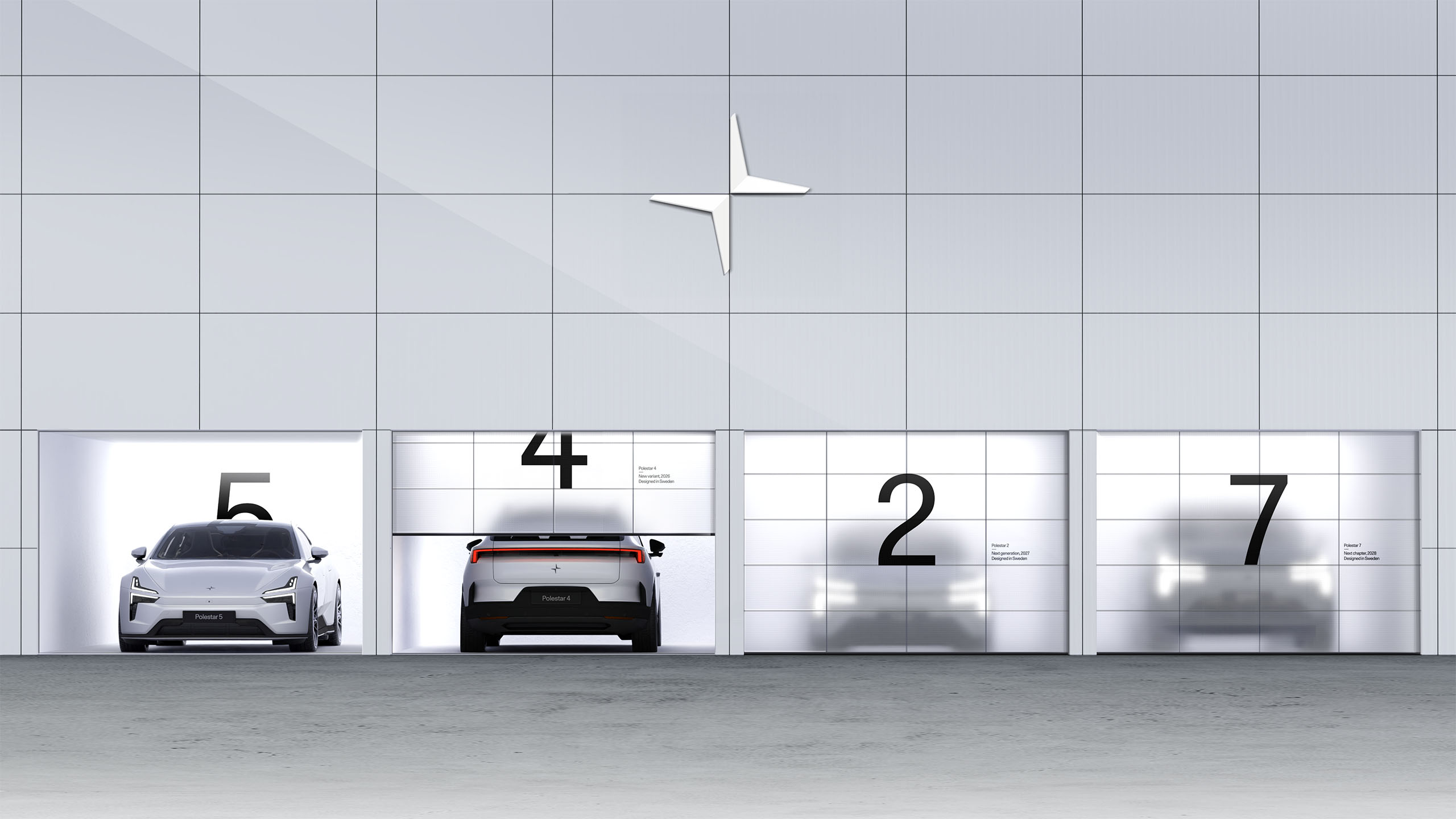
One of the significant announcements from today’s business update was the revelation of a successor to the Polestar 2, a vehicle that, two years prior, former CEO Thomas Ingenlath claimed wouldn’t have one—at least not in a direct manner. At that time, a new model called the Polestar 7 (keep this in mind; we’ll revisit it) was set to take the place of the 2, and this unconventional naming strategy was intended to inspire innovation.
“As similar as we may construct a car, because it has a different designation, we won’t fall into the conventional trap of being limited by what the car was,” Ingenlath remarked to Autocar in 2024, using the Volkswagen Golf as an example of an iconic model unable to truly innovate due to its established identity.
However, as we learned today, not only are we expecting a new Polestar 2 in early 2027—which is not merely a facelift but an “entirely new vehicle,” as per Römers—but also the Polestar 7 compact SUV set for 2028. Meanwhile, the Polestar 6 roadster received only a brief mention in today’s announcements of four new vehicles set to launch within the next three years. It was not designated as one of those, by the way; a North American Polestar representative confirmed that the 6 will debut after the 7. This suggests a 2029 release at the earliest for the brand’s anticipated flagship model.
Then there’s the Polestar 4, which our own Joel Feder recently had the opportunity to test; a new variant is already on the way. The current 4 will soon be rebranded as the 4 Coupe, while the “new” 4 will feature a long roof that leans more towards wagon than SUV—and it will offer a rear window.
Finally, there’s the Polestar 5. It remains a legitimate sedan (or a “grand tourer” in the brand’s terminology), and it’s still unlikely to be available in the U.S. in the near future.
Polestar’s readiness to diverge from conventional car manufacturing was admirable, yet its strategies have raised eyebrows from the very start. The company’s naming scheme, for starters, lacks any coherent progression, whether up- or down-market. The decision to abandon typical model generations might seem refreshing to the company’s designers, but it’s likely to be frustrating for consumers. Brands have value for a reason; once you’ve made a name for yourself, they save you the effort of having to reintroduce yourself continually. This is why we’re getting a second-generation Polestar 2 that was never meant to materialize.
And regarding the color aspect. Certainly, many people opt for white or black vehicles. However, if the intention is to stand out, eliminating an entire spectrum inevitably complicates that goal, at least visually.
Polestar appears to have retained an open perspective on all these matters, which is truly all one can ask after several decisions that didn’t yield positive results. During today’s presentation, CEO Michael Lohscheller, who succeeded Ingenlath and has been leading the company for just over a year now, repeatedly returned to a familiar statement: “We’re doing the right things.” Naturally, only time will reveal how correct or incorrect these actions are. What we can state with certainty is that Polestar’s initial vision was a nonstarter, and everything presented today was evidence of that.
Have a tip? Get in touch at [email protected]
**Polestar’s Original Vision Failed; The Brand is Now Undergoing a Transformation**
Polestar, the performance electric vehicle (EV) brand initially conceived as a high-performance branch of Volvo, has encountered considerable challenges since its launch. Established in 2017, Polestar sought to carve its niche within the rapidly changing EV landscape, emphasizing sustainability, performance, and cutting-edge technology. However, the brand’s initial vision has not fully come to fruition as expected, leading to a strategic transformation to realign its objectives and offerings.
### Initial Vision and Obstacles
Polestar’s founding vision revolved around crafting a range of electric performance vehicles designed to attract environmentally aware consumers without sacrificing driving experience. The debut of the Polestar 1, a hybrid performance coupe, garnered high praise for its design and engineering. However, the car’s steep price and limited production volume constrained its market reach.
The subsequent arrival of the Polestar 2, an all-electric sedan, intended to take on established competitors like Tesla. While the Polestar 2 was positively received for its performance and technological features, it faced production setbacks, supply chain challenges, and intense competition within the EV market. These obstacles impeded the brand’s capacity to secure a firm standing in the marketplace.
### Market Dynamics and Rivalry
The electric vehicle sector has changed swiftly, with various car manufacturers entering the market and heightening competition. Both established companies and newcomers have released appealing EV models, often at more competitive price points. This surge in competition has made it progressively harder for Polestar to distinguish itself and draw in a larger customer base.
Moreover, consumer expectations have evolved, with increasing demand for not only performance and sustainability but also affordability and practicality. Polestar’s initial emphasis on high-end performance vehicles may have restricted its attractiveness to a wider audience, necessitating a reassessment of its product strategy.
### The Transformation Strategy
In response to these issues, Polestar is undergoing a strategic transformation aimed at redefining its brand identity and product offerings. The company is concentrating on several essential areas:
1. **Wider Product Range**: Polestar intends to broaden its lineup to include more affordable models that appeal to a larger audience. This encompasses the creation of new electric SUVs and compact vehicles that resonate with existing market trends.
2. **Improved Sustainability Initiatives**: Expanding upon its commitment to sustainability, Polestar is stepping up efforts to minimize its carbon footprint across the production process. This involves sourcing sustainable materials and adopting circular economy principles.
3. **Technological Innovations**: Polestar is allocating resources to advanced technology and software integration aimed at enhancing the driving experience. This includes advancements in autonomous driving capabilities, connectivity features, and user interface design.
4. **Global Growth**: To boost its market presence, Polestar is concentrating on expanding its international reach. This involves entering new markets and reinforcing its distribution network to connect with a broader customer base.
5. **Brand Messaging**: The company is working to redefine its messaging to highlight not just performance but also the lifestyle aspects associated with owning a Polestar vehicle. This includes marketing efforts targeting environmentally conscious consumers and emphasizing the brand’s dedication to sustainability.
### Conclusion
Polestar’s original aspiration of emerging as a leader in the performance electric vehicle industry has encountered significant impediments, leading to an essential transformation of its strategy. By diversifying its product offerings, enhancing sustainability initiatives, investing in technology, expanding globally, and reevaluating its branding, Polestar aims to realign with the shifting demands of the automotive landscape. As the company navigates this evolution, its capacity to adapt and innovate will be pivotal in determining its future success within the competitive EV arena.