
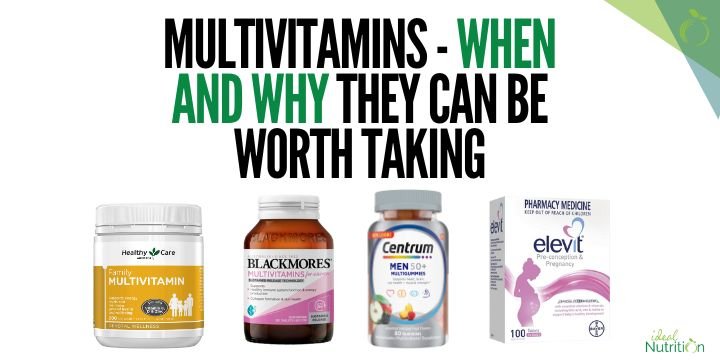
Multivitamins are one of the most common supplements around. A lot of people take them as a “safety net,” to fill any gaps in their diet. But do they actually make a difference? As a dietitian, in this post I’ll cover when they make a difference and can have benefits, as well as when they might not.
When Multivitamins Can Be Beneficial
1. You’re Restricting Calories or Food Groups
If you’re on a lower calorie intake for weight loss or have cut out entire food groups, there’s a higher chance you’re missing key nutrients. For example, lower calorie diets can sometimes lack calcium, iron, zinc, or B-vitamins. A multivitamin can help fill those gaps until your intake increases again.
It’s possible to avoid this in many cases through a well-constructed diet so long as total intake is not too low. But statistically it is more common to have gaps if you have a lower intake.
2. You Have a Deficiency or Higher Requirements
Certain health conditions or medications increase nutrient needs. One example is that people taking metformin often need more B12. Those with conditions such as inflammatory bowel disease or malabsorption issues can also struggle to absorb certain nutrients effectively. A multivitamin can be part of the strategy to maintain adequate levels. Alternatively, you can make an argument it’s often better to target the specific deficiency or inadequate intake directly.
3. You Don’t Eat a Varied Diet
If your diet is limited due to preference, appetite, convenience or other reasons, a multivitamin can help reduce the risk of deficiencies. It’s not a direct substitute for improving dietary variety, but it can help still.
4. During Pregnancy and Pre-Conception
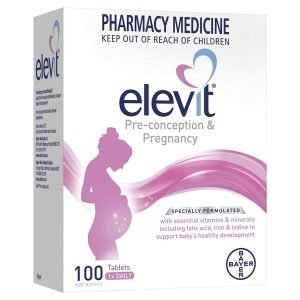
This is one of the clearest cases where a supplement is beneficial. Folic acid is supplementation before and during early pregnancy is recommended to reduce the risk of neural tube defects, and many prenatal supplements also include iodine and iron, which are important at this stage of life.
When a Multivitamin Probably Isn’t Necessary
If you’re eating a great diet with a variety of foods covering all your needs from food, you’re likely already getting what you need from food. Adding a multivitamin on top usually won’t provide further benefits.
There are also cases where more isn’t better. Fat-soluble vitamins like A, D, E and K can build up in the body over time, so taking large doses unnecessarily can do more harm than good. Even a water soluble, vitamin B6, has been found to cause issues in high enough dosages.
Choosing the Right Multivitamin
If you would benefit from a multivitamin, there are a few things to look for.
Look for one that matches your needs. Some are designed for men, women, or specific age groups, which helps tailor the nutrient mix.
Avoid high-dose options, unless you have confirmation of safety for that specific nutrient. More is not always better. In many cases it is worth avoiding going far over 100% of the recommended daily intake.
Check the label. Ensure it includes nutrients that make sense for your situation, like B12 and iron for people who are plant based, or iodine if you don’t consume much seafood or iodised salt.
Summary
Multivitamins can have their place. For most people with a balanced diet, it’s unnecessary. For others, especially those with restricted intake, medical conditions, or increased needs, it can be a useful tool to help cover the basics.
The goal should always be to build a nutrient-rich diet first. But supplements can have benefits when used strategically.
 admin
admin