
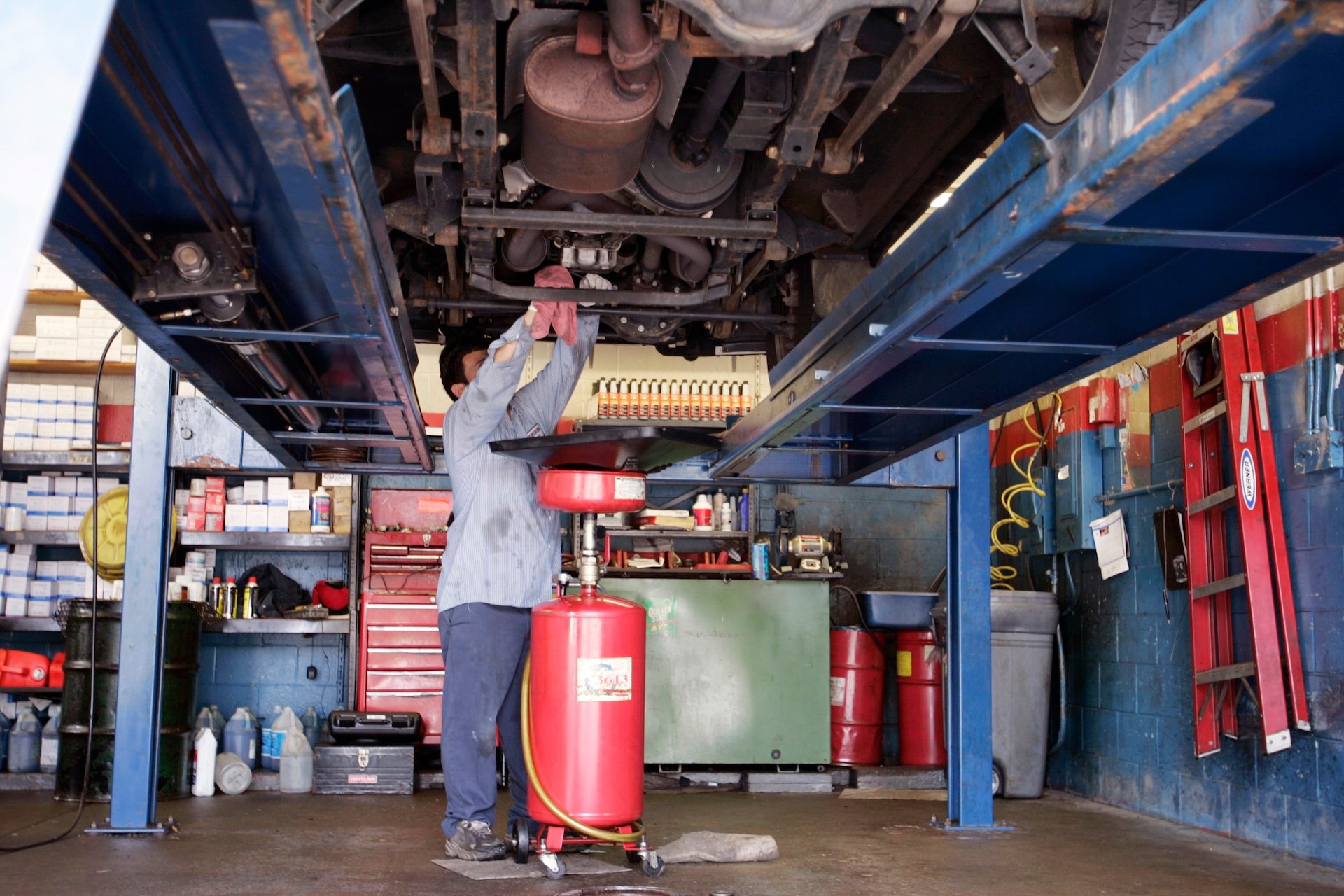
retailer that somehow manages to sell hot dog and soda combos for $1.50 despite outrageous inflation is raising the cost of its oil change service due to rising petroleum prices from the Iran conflict. This trend is mirrored by Walmart and your nearby quick-lube facility, whether it’s independently operated or part of a massive corporation like Valvoline.
A recent examination by The Wall Street Journal revealed that the ongoing military strife is not only driving oil firms to transfer price hikes to the average consumer but is also influencing buying patterns, with many motorists opting to bring their own oil to local businesses to cut costs. A Detroit shop owner consulted by the publication indicated that an increasing number of patrons are purchasing oil in bulk from retailers and paying lube shops solely for labor. However, this situation may not persist for long.
According to the findings, 10 quarts of Costco’s Kirkland motor oil now retails for $58, having been just $22 in May at a New Jersey warehouse. This marks a $36 increase within approximately four months. Walmart also informed the WSJ that it adjusted the cost of its oil-change services upward by a few dollars last month.
A representative for the quick-lube powerhouse Valvoline, which is owned by Saudi Arabia’s Aramco, did not detail how much its consumer-facing prices have gone up but confirmed that its independent franchises have increased their prices after observing a cost rise of about $5 to $7 per oil change.
At its essence, the dilemma is linked to the availability of Group III base oils, critical components in synthetic lubricants like those used for vehicles. The report notes that full synthetic and low-viscosity options such as 0W-20, 0W-16, and 0W-8 are particularly impacted as refining capabilities in the Persian Gulf have fallen below expectations due to the conflict. Normally, refiners could either enhance or replace these Group III items with Group II base oils, but even those are now similarly scarce as refiners prioritize feedstocks. Regardless of how you look at it, the outcome is identical: dwindling supply paired with persistent demand.
As a result, consumers are faced with escalated prices and restricted availability. As mentioned last week, Costco has begun rationing motor oil purchases nationwide, limiting them to two per customer per week. Although the average vehicle owner may not require more than that, it raises the question: what’s ahead? It resembles the pandemic’s toilet paper shortage all over again.
At the time of this writing, the national average for regular gasoline stands at about $4.48 per gallon, while diesel is hitting a record high of $6.45, according to AAA.
Got a tip? Email us at [email protected]
**Escalating Prices of Oil Changes at Walmart and Costco**
In recent times, consumers have noted a significant uptick in the cost of oil change services at prominent retailers like Walmart and Costco. This escalation has sparked inquiries among car owners regarding the reasons behind these rising expenses and their implications for vehicle maintenance budgets.
**Understanding the Price Surge**
Multiple factors have led to increased oil change costs at Walmart and Costco:
1. **Inflation and Economic Context**: General inflation has influenced the pricing of goods and services universally, including automotive services. Escalating expenses for labor, materials, and overhead have necessitated adjustments to pricing frameworks by retailers.
2. **Disruptions in the Supply Chain**: The COVID-19 pandemic triggered major interruptions within global supply chains, affecting the availability and pricing of automotive parts and supplies. These disruptions have translated into higher costs for oil and other vital materials utilized in oil changes.
3. **Product Quality**: Retailers are increasingly emphasizing the provision of higher-quality oils and filters, which can carry a higher price tag. Synthetic oils, often recommended for enhanced engine performance and durability, are typically pricier than conventional oils.
4. **Labor Rates**: As the labor marketplace becomes more competitive, wages for skilled technicians have surged. Retailers may transfer these rising labor expenses to consumers, leading to elevated service prices.
5. **Market Dynamics**: While Walmart and Costco have a reputation for competitive pricing, the automotive service sector is fluid. As competing shops modify their prices, these retailers might also raise their rates to protect profit margins.
**Comparative Pricing**
Historically, Walmart and Costco have provided some of the most cost-effective oil change services. However, as prices increase, consumers may soon discover that the gap in pricing between these retailers and local auto shops is diminishing. It is crucial for consumers to compare costs and services available from various providers to ensure they obtain the best value for their expenditures.
**Impact on Consumers**
The hike in oil change prices can significantly affect consumers, particularly those with limited budgets. Routine oil changes are essential for vehicle maintenance, and rising expenses may cause some car owners to postpone necessary services, potentially leading to greater long-term costs due to engine damage.
**Final Thoughts**
The growing costs of oil changes at Walmart and Costco mirror broader economic shifts and market trends. Consumers are urged to remain updated on pricing alterations and explore all available options for vehicle maintenance. By grasping the reasons behind these price hikes, car owners can make better-informed choices regarding their automotive upkeep.