
Throughout a significant portion of my professional journey, I had faith in my expertise to evaluate risk.
For many years, I was immersed in technology, particularly in startup environments and information security. To me, risk was a tangible reality. My role revolved around foreseeing potential mishaps, challenging assumptions, pinpointing weaknesses, and making critical decisions when the stakes were high.
Yet, during a pivotal moment in my life, I overlooked a weakness within myself.
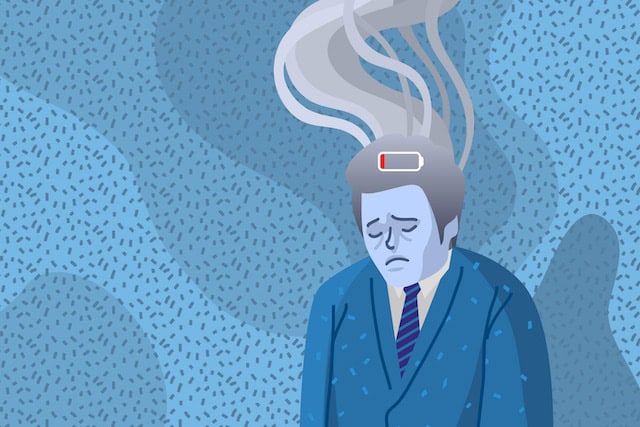
I was experiencing profound burnout.
I only grasped the extent of its impact on my judgment when the financial repercussions became irreversible.
In the end, I lost around $3 million in retirement funds due to an offshore cryptocurrency lending service.
Numerous elements contributed to this outcome, and I have dedicated the last three years to holding parties accountable. However, there’s a different facet of this narrative that took me much longer to comprehend.
The genuine risk wasn’t what I had been led to believe. Burnout sheds light on why those representations weren’t adequately scrutinized. It doesn’t convert a distorted risk into a well-informed choice.
I was not thinking clearly when I took some of the actions that led me into that predicament.
The alarming part is that I believed I was functioning normally.
Burnout Didn’t Appear as I Anticipated
When discussing burnout, we often envision someone who is utterly incapable of progressing.
They cease working. They struggle to rise from bed. They are aware that something is seriously amiss.
That wasn’t my reality.
I was still capable of working.
I could still tackle technical challenges. I could still engage in complex discussions and make choices. Externally, I likely appeared to be functioning.
After years in technology, long hours and constant stress had become routine. Challenges were perpetual, alongside deadlines and systems in need of attention.
You learn to endure fatigue.
And after successfully pushing through enough times, you start to convince yourself that your ability to keep going indicates that you’re alright.
It isn’t.
I had relied on the same mind to assess whether it was operating effectively over the years.
That presents a perilous feedback loop.
By the time my retirement funds faced this degree of risk, I was mentally exhausted. In hindsight, events that should have prompted me to pause failed to elicit the responses they typically would have.
I was still absorbing information.
I just wasn’t processing it like I would have when I was rested and healthy.
The Warning Sign I Overlooked
One of the most perilous symptoms of burnout for me was cognitive fog.
In the realm of technology and information security, clear thinking is among your most crucial assets. You regularly assess incomplete information, balance conflicting risks, and ponder what you might be overlooking.
However, cognitive decline due to fatigue can creep in gradually.
There’s not a specific morning when you wake up and suddenly think, “My judgment is compromised.”
Your drained state gradually evolves into your ordinary condition. This makes self-recognition incredibly challenging.
Fatigue feels standard.
Poor sleep feels standard.
Struggles with focus feel standard.
Working harder to achieve tasks that once came easily feels standard.
And because you’re still accomplishing tasks, you perceive continued productivity as evidence that you’re functioning well.
I’ve come to believe that this is one of burnout’s most dangerous deceptions.
Being functional is not the same as functioning as you normally would.
The Price of Ignorance
Losing around $3 million was catastrophic.
This was not an amount I could simply reclaim with another successful year. It symbolized decades of labor and the retirement stability I thought I had established.
There was also a hard-to-escape irony.
I had devoted much of my career to contemplating security.
I understood that elaborate systems fail when their underlying assumptions falter. I knew about layered defenses. I recognized that you do not safeguard something valuable by depending on just one measure.
Yet, regarding myself, I had effectively established a system with a singular flaw.
Historically, my judgment had proven valuable. What I failed to see was that years of cumulative burnout had altered the environment in which that judgment operated.
Sleep was crucial.
Stress was crucial.
Exhaustion was crucial.
Accumulated burnout over the years was crucial.
My capacity to make sound decisions hinged on the condition of the individual making them.
That seems evident to me now.
It wasn’t clear to me back then.
What I Regret Not Doing Differently
I wish I had approached significant personal choices the same way I handled high-stakes professional decisions.
In security, when the ramifications of an error are severe, you don’t merely depend on one person solely due to their expertise.
You implement additional controls.
You take things slowly.
You seek another perspective.
You create chances to spot mistakes before they escalate into irretrievable errors.
I should have applied the same approach in my personal life.
When I was fatigued, financially vulnerable, or making decisions with potentially life-altering repercussions, I ought to have intentionally decelerated the process.
I should have requested someone I trusted to independently evaluate my actions.
Not because that person was necessarily more intelligent or experienced.
Because they weren’t experiencing exhaustion in the exact way I was.
I’ve come to appreciate that this is particularly vital for those who have been fiercely independent their entire lives.
Competence can become a vulnerability.
The longer you’ve effectively handled challenging issues alone, the simpler it is to assume that you will realize when you ought not to tackle the next one independently.
However, severe burnout can impair the very judgment necessary to acknowledge that you are indeed burned out.
Recovery Involves More Than Just Rest
I once thought that recovering from burnout primarily meant taking time away.
While rest is incredibly important, my journey has shown me that recovery also requires altering the circumstances that led to burnout.
Making sleep a priority is essential rather than sacrificing it whenever work demands arise.
Exercise and nutrition play a vital role.
Taking breaks from devices is crucial.
Establishing boundaries is necessary.
Fostering interests and relationships outside of work is important.
Additionally, I’ve grasped the significance of external checks.
If I notice I’m feeling exhausted, overwhelmed, unusually impulsive, or struggling to focus, I no longer believe that the answer is simply to exert more effort.
Sometimes, the right response is to reduce the number of decisions made.
And for choices that cannot be easily undone, the safest approach may be to involve another person.
This isn’t a sign of weakness.
It’s a sound risk management strategy.
The Lesson I Discovered Too Late
I cannot reverse the decision that transformed my financial life.
I can continue to seek accountability, and I can restore what I am able to salvage. But I cannot revisit the past and impart the awareness I now possess to my younger self.
What I can do is share my insights.
If you’ve been pushing yourself for years, don’t interpret the fact that you’re still managing as an indicator that you’re fine.
Be alert when concentrating becomes increasingly difficult.
Be alert when fatigue represents your new normal.
Be alert when you lose interest in activities you once valued.
Be alert when your solution to reduced performance is merely to extend your work hours.
And exercise extra caution when making choices that could permanently alter your life.
You might need rest.
You might require distance.
You might benefit from another’s perspective.
Most critically, you may need to recognize that the mind assessing your state is the same mind affected by that state.
I dedicated my career to unearthing weaknesses in intricate systems.
One of the most impactful vulnerabilities I ever confronted was one I couldn’t perceive from within.
Burnout didn’t render me incapable of functioning.
It did something far more challenging to detect.
It allowed me to maintain functionality while gradually impairing my ability to recognize that I was not operating like my true self.
I grasped that distinction at a tremendous cost.
I hope someone else can learn it before experiencing a similar ordeal.
About Joe White
Joe White has dedicated over twenty-five years to technology, information security, and startups. Following severe professional burnout and a significant financial setback, he began to explore how cognitive depletion can subtly undermine judgment while a person appears outwardly capable. He shares his insights to assist others in recognizing burnout before it leads to irreversible outcomes. Joe is raising funds to address immediate expenses and continue his legal battle. More details or support can be found through his GoFundMe here: https://gofund.me/816b05ab5
### Understanding the Unrecognized Risks of Burnout
Burnout is frequently viewed as a mere consequence of stress, chiefly linked to work-related exhaustion. Nevertheless, its effects reach far beyond professional boundaries, impacting mental, emotional, and physical wellness. Recognizing the unacknowledged dangers of burnout is critical for both individuals and organizations.
#### What is Burnout?
Burnout manifests as emotional fatigue, depersonalization, and a reduced feeling of personal achievement. It often arises from extended exposure to stressors, particularly in demanding environments. While many associate burnout with specific careers, such as healthcare or academia, it can affect anyone across various fields.
#### Unacknowledged Dangers of Burnout
1. **Declining Mental Health**: Burnout is strongly linked to anxiety, depression, and other mental health challenges. Those experiencing burnout may find it hard to manage everyday tasks, resulting in a cycle of deteriorating mental well-being.
2. **Physical Health Issues**: Chronic stress resulting from burnout can exhibit physical symptoms, such as headaches, gastrointestinal distress, and cardiovascular problems. Long-term exposure to stress hormones can weaken immunity, making individuals more prone to illnesses.
3. **Reduced Productivity**: While burnout might initially spur increased effort, it eventually leads to lower productivity. Individuals may face difficulties in concentration, decision-making, and creativity, culminating in diminished workplace performance.
4. **Strain on Relationships**: Burnout can disrupt personal relationships, resulting in irritability and withdrawal from social engagements. This isolation can heighten feelings of loneliness and further exacerbate mental health issues.
5. **Substance Dependency**: In attempts to cope with overwhelming emotions associated with burnout, individuals might resort to alcohol, drugs, or other unhealthy coping strategies, leading to addiction and further health complications.
6. **Career Consequences**: Burnout can contribute to elevated turnover rates within organizations, as employees seek relief from stressful environments. This not only impacts the individual but also affects team dynamics and organizational culture.
7. **Compromised Decision-Making**: Burnout can muddle judgment and result in poor decision-making. Individuals may become excessively cautious or impulsive, which can yield significant repercussions both personally and professionally.
8. **Long-Lasting Effects**: The repercussions of burnout can persist, with individuals taking months or even years to achieve full recovery. This prolonged state can hinder career progression and personal development.
#### Identifying the Signs of Burnout
Recognizing burnout symptoms is the initial step toward prevention and recovery. Indicators include chronic fatigue, irritability, loss of motivation, feelings of helplessness, and a sense of detachment from work and personal life. Regular self-assessments and transparent communication about stress levels can aid in early detection of burnout.
#### Strategies for Prevention and Recovery
1. **Self-Care**: Placing emphasis on physical health through consistent exercise, a balanced diet, and sufficient sleep is vital. Mindfulness techniques, like meditation and yoga, can assist in stress management.
2. **Work-Life Balance**: Establishing boundaries between professional and personal life can safeguard against burnout. This entails taking routine breaks, utilizing vacation days, and disconnecting from work-related communications after hours.
3. **Support Networks**: Developing a robust support system of friends, family, and colleagues can offer emotional reinforcement and alleviate feelings of isolation. Seeking assistance from mental health professionals can also be advantageous.
4. **Organizational Changes**: Employers can significantly contribute to burnout prevention through the promotion of a healthy work atmosphere. This includes acknowledging employee accomplishments, providing mental health resources, and fostering open discussions about workload and stress.
5. **Skill Growth**: Participating in professional development can enhance individuals’ feelings of competence and fulfillment in their roles, thus diminishing feelings of inadequacy that lead to burnout.
#### Conclusion
Comprehending the unrecognized risks of burnout is vital for establishing a healthier work culture and enhancing overall well-being. By identifying the signs and implementing effective strategies for prevention and recovery, both individuals and organizations can alleviate the effects of burnout and develop a more resilient workforce.