
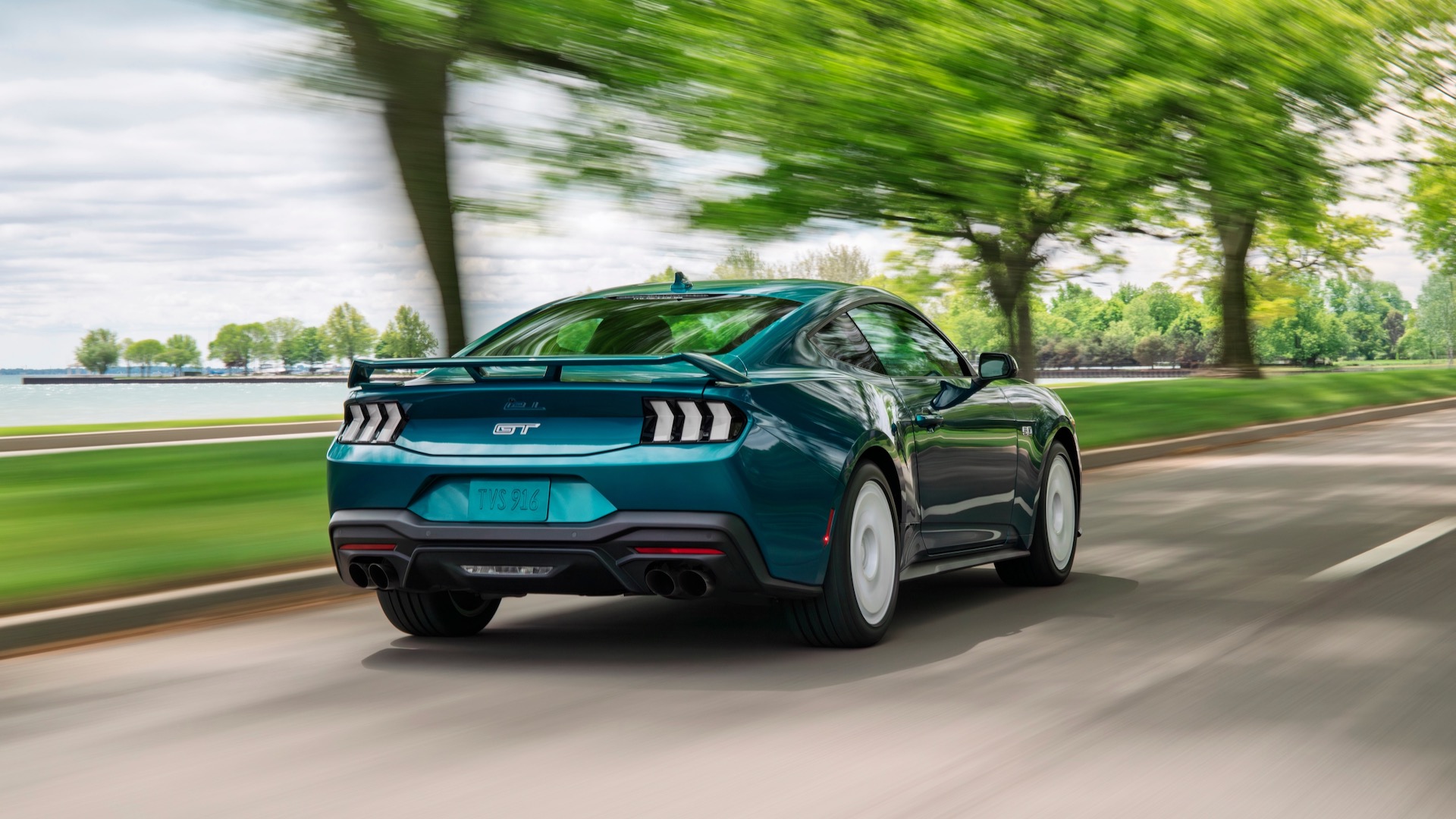
Tariffs, escalating gas costs, and vanishing EV incentives have created challenges for many vehicles, yet the Ford Mustang is experiencing an exceptional year. In a sales report published earlier this week, Ford announced it sold 14,074 Mustangs in Q1 (to clarify, we are only referring to the traditional coupe and convertible, excluding the Mach-E) compared to 9,377 for the same timeframe in 2025. This marks a 50.1% increase year over year.
The Mustang’s brand recognition aids its success, yet this achievement is significant for a category that isn’t particularly dominating the sales charts overall. This is evident when comparing Q1 2026 Mustang sales to sporty coupes and convertibles from other mainstream manufacturers. Mustang sales were seven times greater than the second-placed Toyota GR 86, which recorded sales of 2,046, down 26.3% from Q1 2025.
This may be partly attributable to the absence of direct rivals. The Chevrolet Camaro and Dodge Challenger are now out of production (though dealers sold three remaining Camaros and 45 leftover Challengers in Q1), and with only 1,775 units sold (a decline of 8.8% year over year), the Dodge Charger seems inadequate for buyers seeking more capacity and power. Nonetheless, the Mustang has experienced real sales growth that is currently supporting the segment.
Ford estimates that the Mustang represents 61.0% of the mainstream sports car market, up from 44.9% in Q1 2025, while the overall segment expanded by 10.3% year over year, reaching 23,060 sales. This growth is likely driven almost entirely by Mustang sales. The segment is contracting with the exit of not only the Camaro and Challengers but also the Toyota Supra. Nissan Z sales dropped by 58.3% in Q1 (even though Nissan still has cause for optimism) and Honda Prelude sales had yet to increase, with just 795 of the hybrid coupes sold in the first quarter.
These figures also indicate that the Mustang is the sole vehicle in its competitive set turning lower pricing (at least for some versions) into higher sales figures. The Q1 tally is greater than the combined totals of the Corvette and Porsche 911, which achieved sales of 6,235 and 4,256, respectively. No other mainstream offerings came close to rivaling these higher-end sports vehicles.
Ford’s Nurburgring rivalry with Chevy might be more entertaining, yet this competition is what truly matters. The Mustang’s robust sales continue to validate its place in a Ford lineup that is otherwise lacking in traditional vehicles and advocate for enjoyable and sporty coupes and convertibles in general.
**Ford Mustang Sales Rise by 50% Compared to Previous Year**
In a stunning turnaround for the legendary American muscle car, Ford Mustang sales have soared by 50% compared to last year. This notable upswing reflects a mix of factors, including a reinvigorated interest in performance vehicles, targeted marketing initiatives, and the launch of new models that appeal to a wide array of buyers.
**Market Developments and Consumer Trends**
The automotive sector has witnessed a significant transformation as buyers increasingly lean towards vehicles that deliver both performance and aesthetics. The Ford Mustang, with its rich legacy and standing for power, has effectively attracted the attention of both classic muscle car fans and a younger audience seeking contemporary performance cars. The surge in sales can also be linked to a rising trend of nostalgia for iconic American vehicles, which has been amplified by social media and car culture.
**New Model Launches**
Ford has rejuvenated the Mustang lineup with the debut of fresh models and special editions that cater to a wider audience. The newest Mustang variants boast advanced technology, enhanced fuel efficiency, and improved safety features, making them more appealing to consumers. The introduction of the Mustang Mach-E, an all-electric SUV variant, has also broadened the brand’s reach, attracting environmentally aware customers without compromising the performance for which the Mustang is recognized.
**Promotional Tactics**
Ford’s promotional strategies have been instrumental in elevating sales. The company has adeptly utilized digital marketing campaigns, social media interactions, and partnerships with influencers to connect with potential customers. Promotional events and collaborations with automotive exhibitions have further heightened visibility and enthusiasm surrounding the Mustang brand. Additionally, Ford’s focus on consumer experience, including virtual showrooms and customized purchasing options, has made the buying process more inviting.
**Competitive Landscape**
The increase in Mustang sales coincides with a period of heightened competition in the performance car arena. Competitors such as Chevrolet Camaro and Dodge Challenger have experienced variations in sales, but Ford’s capacity to innovate and adjust to consumer preferences has favorably positioned the Mustang in the market. The Mustang’s fusion of performance, style, and technology continues to resonate with buyers, ensuring it retains a competitive advantage.
**Summary**
The 50% surge in Ford Mustang sales in comparison to last year highlights the lasting allure of this iconic vehicle. Through a combination of strategic marketing, new model releases, and a sharp awareness of market dynamics, Ford has successfully rekindled interest in the Mustang. As the automotive landscape keeps evolving, the Mustang’s ability to adjust and captivate a diverse spectrum of consumers will be vital in preserving its legacy as a quintessential American muscle car.