
I’m a writer, yet I’m aware that language has its constraints. I can evoke different feelings with my rhythm, using literary techniques to control the voice in your mind to rise and fall appropriately. I can resonate with your sensibilities using informal phrases like “oughta” or “gotta.” I can also soothe you or motivate you to act based on how directly I engage with you. However, language alone can’t accomplish everything.
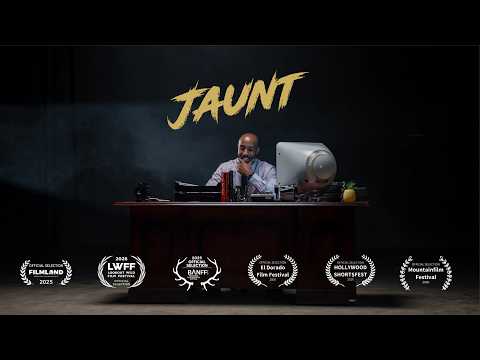
Luckily, creativity appears in various forms to influence your emotions in myriad ways. If I wrote an intriguing essay about driving a Safari-modded Porsche 944, you’d only absorb what I shared. Or you might view this brief film titled Jaunt, featuring such a vehicle and eliciting feelings I just can’t express—at least, not as effectively.
Jaunt has been presented worldwide as part of the Banff Centre Mountain Film World Tour, among other occasions. It’s a creation of Blk Elk Co., a creative firm based in the Ozark hills of Northwest Arkansas. They’re highly skilled with all types of cameras, but cinematography extends beyond that.
They previously shared an early screening of Jaunt with me, and now, it’s available on YouTube. I spoke with them to understand how they evoked the emotions I felt during my first viewing, so the remainder of this article will focus on that. But first, you must watch the four-minute film:
JAUNT | A Porsche 944 Safari + MTB Short Film
Pretty impressive, right? Although it’s brief, there’s much happening here to stimulate your senses. I’m quite inexperienced regarding how that’s achieved, which is why I asked the film’s director, Daniel Mitchell, for clarification.
Instead of merely telling me, using words and their annoying confines, Mitchell annotated some stills of his favorite shots.
Let’s begin with the opening shot. Not only is there a primary camera operator, who’s responsible for proper positioning using the stabilizing Dana dolly, but another crew member is positioned off to the right whose role is to maintain the shot’s sharpness with a device called a focus puller. He uses a wireless handset with a rotating dial to adjust focus as necessary.
Setting the stage properly takes effort. Prop selection is crucial as well, since the crew was able to enhance the drab office theme with second-hand items. A CRT monitor without a visible logo adds to the generic feel, along with the standing book whose spine reads, “Real World, Here I Come.”
Essentially, it’s the type of environment you might expect a person to find himself in after being handed a stack of paperwork.
Breaking down these scenes side-by-side makes sense since they initiate the action. Upon rewatching the film, I was curious about how they made the flip clock spin so swiftly. Artificially speeding through frames seemed implausible, as moving the cards one at a time would be cumbersome. I was delighted to discover they utilized a power drill to spin through time, swiftly.
The jazz soundtrack of this scene also significantly contributes to the heightened energy. Nothing gets you moving like horns, mingled with vibrant percussion that spares no cymbal. A piano master keeps the melody going.
Mitchell expressed pride in their ability to execute the transition displayed between the left and right scenes. The pitch-black environment in the first part of the film was staged within the 944 Safari workshop, which also houses a functioning modification shop. It was accomplished in a single shot to take you, the viewer, from the dull desk setting to one bursting with activity. Pneumatic impacts whirl and crank plenty of ugga-duggas as the actor climbs into the Porsche.
This specific vehicle represents 944 Safari’s exemplary work. It’s a naturally aspirated model, though any 944 owner will affirm that the engine isn’t what makes these units special. The front-rear layout is what’s most distinctive, and unlike the more powerful 928, these are lighter and far more agile. Daniel Davis, owner of the Porsche and the shop, has devised a solid plan to leverage those advantages: higher suspension for improved clearance, more aggressive tires that assist in navigating gravel, and Hella lights for both aesthetics and visibility. Racks abound to enhance its usability, as there’s limited space for a mountain bike or a full-size spare in (or on) a stock 944.
As the P-car drives out, natural lighting benefits the frame. It’s pursued out the door by the almost humorous director-cinematographer duo on a longboard. In truth, the pressure lies on the driver. And don’t think for a moment they hired a stuntman for that role, as it’s the same individual—from the desk, to the vehicle, to the bike, and back—named Justice Jax Berry. Quite the multi-talented person, right?
After an exhilarating parking lot drift, the 944 heads for a dirt road outside of town. While there is some music playing behind the scenes—an original track called “How Sad” by The Dark Skinned Ghost—you also experience a significant amount of ambient noise. The deep, throaty four-cylinder produces a pleasant sound, and anyone who enjoys a good time can appreciate the sound of tires kicking up gravel.
This portion of the story is very much the “journey” segment. Justice further adds interest by putting a couple of tires in the ditch, the kind of thing possible in a lifted vehicle. It’s all captured smoothly using the cable cam and overhead drone.
By all standards, these woodsy scenes were the most challenging to capture. You might know that Northwest Arkansas is home to some of the nation’s finest mountain-biking trails. (Walmart is located there, and the Walton family invests significantly in those initiatives.) It’s truly central to the culture, making it logical to incorporate it into the film.
Plus, who doesn’t appreciate a Porsche with a bike rack on the back?
Timing is crucial in this scene, and maintaining rhythm with the actor/rider/all-around guy was understandably challenging. The cable cam can track speeds of up to 43 miles per hour, but achieving perfect timing required effort. A crew member operates the cable cam remotely, while the gimbal sends footage to a handheld display.
By successfully capturing the tempo here, you gain a feeling of speed. The shot remains focused on Justice while trees fly by in the foreground. It’s a bit of practical magic.
It all concludes back where it began, in the dark of the warehouse, with a bit more mud on Justice’s outfit. He traded in the button-down and tie for a long-sleeve tee. And once the nameless boss welcomes him back, you realize all this occurred during his lunch break.
A brief excursion can truly make a difference, even on the most ordinary days.
Have a suggestion or question for the writer? Reach out directly: [email protected]
**Examining the Shot-for-Shot Craftsmanship of the Safari Porsche Short Film**
The Safari Porsche short film is an extraordinary example of cinematic skill that highlights the blend of automotive enthusiasm and visual narrative. This film not only showcases the rugged allure of the Porsche Safari but also employs a meticulous shot-for-shot strategy that amplifies its narrative and emotional resonance.
**Visual Composition and Cinematography**
The film commences with a sweeping aerial view of the stunning landscape, instantly drawing the viewer into the natural allure that forms the backdrop for the Porsche Safari journey. The cinematography features a blend of wide-angle perspectives and close-ups, generating a dynamic visual rhythm that encapsulates both the magnificence of the environment and the intricate details of the vehicle.
Every frame is meticulously arranged, applying the rule of thirds to lead the viewer’s gaze to essential components within the shot. The interplay of light and shadow introduces depth, while the utilization of natural lighting bolsters the authenticity of the scenes. The filmmakers adeptly leverage depth of field to separate the Porsche from its surroundings, underscoring its design and performance capabilities.
**Narrative Structure and Pacing**
The narrative unfolds in a non-linear manner, with flashbacks integrated throughout the film. This technique not only cultivates suspense but also enables a deeper examination of the bond between the driver and the vehicle. The pacing is intentional, with each shot lingering just long enough to evoke emotion without losing the viewer’s focus.
Transitions between shots are fluid, frequently using natural elements such as trees or hills to facilitate smooth edits. This meticulous attention to detail in post-production enhances the film’s immersive quality, making the audience feel as though they’re part of the odyssey.
**Sound Design and Music**
Sound design is pivotal in enriching the visual storytelling of the Safari Porsche short film. The roaring engine, the crunching gravel beneath the tires, and the ambient sounds of nature all contribute to a rich auditory atmosphere. The soundscape is carefully crafted, with each component synchronized to the visuals, creating a unified narrative flow.
The film’s score complements the imagery, exhibiting a dynamic range that mirrors the emotional peaks and valleys of the journey. The music escalates during action scenes, while gentler melodies underscore contemplative moments, further engrossing the viewer in the tale.
**Symbolism and Themes**
At its essence, the Safari Porsche short film delves into themes of adventure, liberty, and the connection between man and machine. The Porsche symbolizes exploration and the pursuit of enthusiasm, embodying the adventurous spirit that resonates with automotive aficionados.
The film also explores the notion of conquering challenges, both in the physical landscape and in the protagonist’s personal journey. Every shot captures instances of victory and adversity, reinforcing the premise that the journey holds as much significance as the destination.
**Conclusion**
The Safari Porsche short film stands as a testament to the potency of visual storytelling in the automotive realm. Through its careful shot-for-shot craftsmanship, the film not only displays the beauty and performance of the Porsche Safari but also establishes an emotional connection with the audience. The combination of breathtaking cinematography, considered narrative structure, and immersive sound design culminates in a cinematic experience that lingers with viewers long after the credits conclude.