
The United States Environmental Protection Agency has shifted its stance on diesel emissions regulations. Once characterized by strict enforcement, including penalties for engine makers and aftermarket firms, the agency is now pursuing a deregulation approach under Administrator Lee Zeldin. The EPA has urged manufacturers to reconsider imposing immediate power reductions when diesel exhaust fluid is low, and is now compelling companies to eliminate one of the most troublesome elements of modern emissions systems.
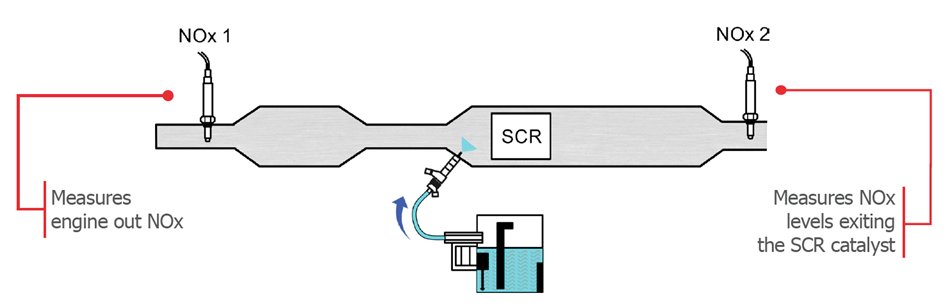
In a letter dated March 26, the EPA indicated that urea quality sensors feature “among the highest failure rates of any SCR (selective catalyst reduction) components.” This information was sourced from the Engine Manufacturers Association, which advocates for alternative methods to identify contaminated or diluted DEF. The EPA has supported this recommendation while confirming that such alternatives—like NOx sensors—are perfectly legal.
Let me simplify this. Urea quality sensors are meant to gauge the concentration of—what else—urea in DEF. This ingredient is crucial for reducing NOx emissions in diesel engine exhaust. Typical DEF compositions consist of 32.5% urea and 67.5% deionized water, though subpar products may be significantly diluted. Additionally, users can alter the mixture by introducing water or other liquids into the DEF tank. Once this occurs, and a urea quality sensor detects it, the emissions system may drastically constrain engine performance.
The issue lies in frequent failures of urea quality sensors— manufacturers have reported numerous such cases to the EPA through customer warranty claims. When these sensors fail, they can throw everything into chaos, leading to poor operational conditions or complete engine failure.
What the EPA conveys in this letter is that manufacturers have the option to utilize different techniques for verifying urea concentration without facing penalties. Moreover, third parties are allowed to eliminate existing urea quality sensors without being considered in violation of the Clean Air Act, provided they are replaced with an effective alternative. If you are a diesel truck operator or shop owner, pay careful attention to that highlighted statement. While emissions deletions remain illegal; instead, the EPA indicates that alternatives to urea quality sensors can be adopted—just as long as another remedy is implemented.
It’s evident that the EPA is still navigating this situation. The agency’s Assistant Administrator Aaron Szabo mentions in the letter that neither urea quality sensors nor NOx sensors are flawless solutions in all scenarios, especially when DEF freezes below 16 degrees Fahrenheit. (This concern is a significant reason why senators from Alaska and Wyoming are lobbying to remove certain DEF requirements in colder regions.) However, it is crucial to emphasize that currently, there’s no sign that the EPA plans to fully deregulate DEF.
Have a tip or query for the author? Reach out directly: [email protected]
**EPA Directs Diesel Engine Makers to Remove Faulty Emissions Components**
In a major initiative aimed at improving air quality and ensuring compliance with environmental standards, the Environmental Protection Agency (EPA) has instructed diesel engine manufacturers to eliminate defective emissions components from their vehicles. This directive is part of the agency’s continuous effort to decrease harmful pollutants and enhance the overall efficiency of diesel engines.
### Context
Diesel engines have historically been vital for numerous industries, including transportation, agriculture, and construction. However, the emissions associated with them have led regulatory agencies to establish stricter requirements. Diesel engines are notorious for releasing nitrogen oxides (NOx) and particulate matter (PM), both of which contribute to air pollution and pose health threats to the public.
### The Faulty Emissions Component
The component at the center of attention is frequently connected to aftertreatment systems engineered to mitigate emissions. These systems, which comprise selective catalytic reduction (SCR) and diesel particulate filters (DPF), have been discovered to demonstrate inconsistencies in operation under particular working conditions. The EPA’s findings indicate that these reliability challenges can result in emissions surpassing regulatory limits, undermining the efficacy of current emissions control technologies.
### EPA’s Instruction
The EPA’s instruction necessitates that manufacturers promptly address the reliability concerns related to these emissions components. This includes:
1. **Rethinking Components**: Manufacturers are urged to innovate and redesign emissions control components to improve their reliability and performance in a broader range of operating conditions.
2. **Rigorous Testing**: The EPA requires strict testing protocols to ensure that any new or altered components consistently meet emissions standards. This encompasses real-world tests to verify performance across varied driving situations.
3. **Accountability and Compliance**: Manufacturers must submit comprehensive reports detailing actions taken to eliminate faulty components and demonstrating adherence to emissions regulations. The EPA will supervise compliance and may impose fines for non-compliance.
### Consequences for Manufacturers
This directive presents both hurdles and prospects for diesel engine manufacturers. On the one hand, the imperative for redesign and testing may heighten production expenses and extend development timelines. Conversely, manufacturers who innovate successfully may secure a competitive edge in an increasingly sustainability-focused market.
### Effects on the Environment and Public Health
The EPA’s initiative is projected to positively influence air quality and public health. By curbing emissions from diesel engines, the agency intends to reduce the occurrence of respiratory diseases and other health challenges linked to air pollution. Additionally, this action aligns with broader initiatives aimed at tackling climate change and advancing cleaner technologies.
### Final Thoughts
The EPA’s directive to diesel engine manufacturers to eliminate faulty emissions components represents a vital leap toward enforcing stricter emissions standards and enhancing air quality. As manufacturers respond to this instruction, the industry may see significant strides in diesel technology that not only comply with regulations but also foster a healthier environment. The ongoing partnership between regulatory bodies and manufacturers will be crucial in driving innovation and ensuring that diesel engines remain a viable option in a sustainable future.