
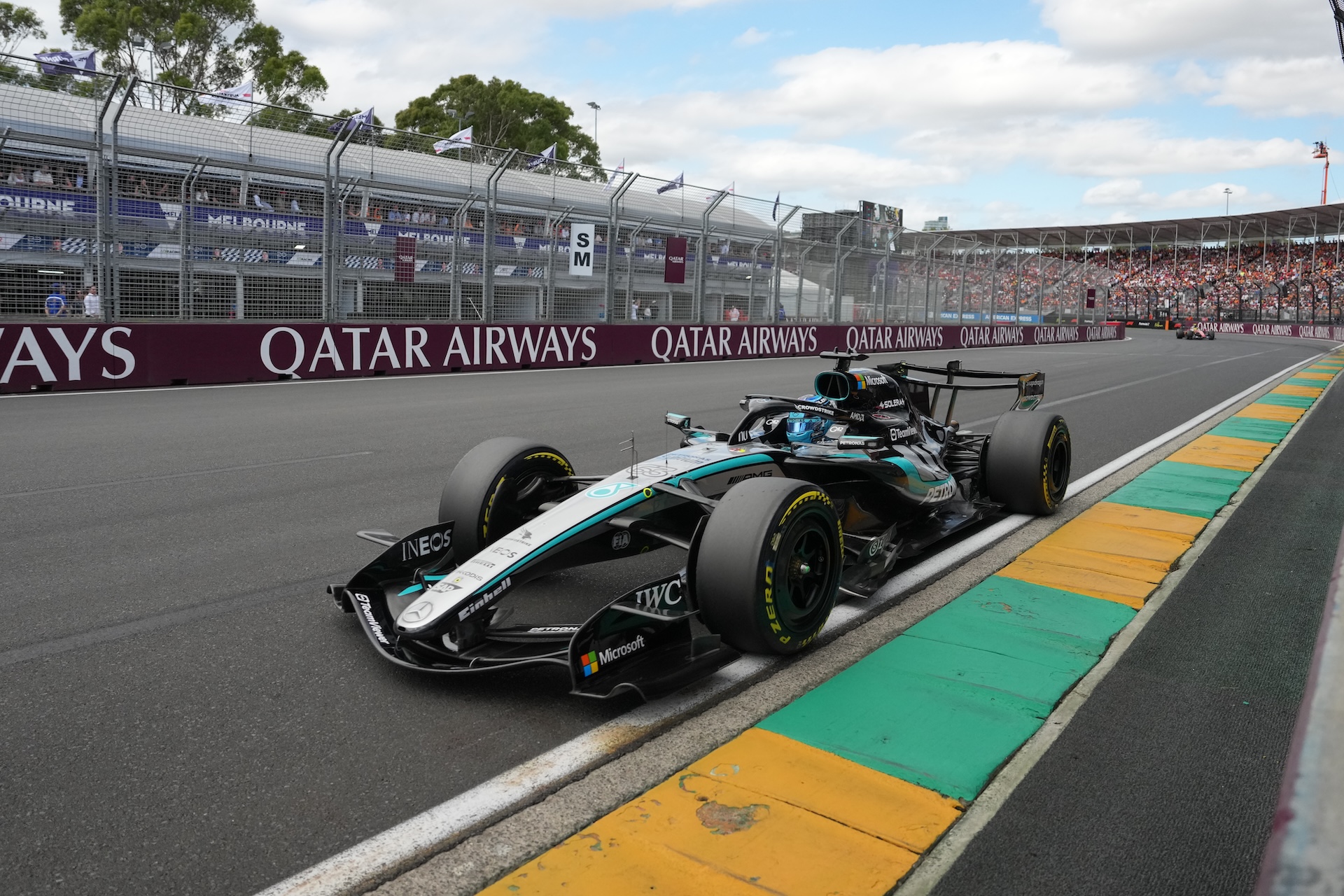
I’ll kick things off with this: Saturday evening’s 2026 Australian Formula 1 Grand Prix features 120 passes. The 2025 race? 45.
Before putting together this blog, I shared my views on the amount of overtaking and overall racing excitement I experienced during the event—which, by the way—is the first Aussie GP I’ve actually managed to stay awake for in probably a decade. Some friends and colleagues concurred that these two elements made it far more thrilling and engaging for fans, whether watching on TV or live. Others argued, however, that passes only happened because the overtaken car was slowing down. In essence, it couldn’t defend its position. A reasonable point, indeed, although I’m unsure how different that is from the previous DRS, but that’s a blog for another time.
But, truly, regardless of your stance on the 2026 regulations, vehicles, and their implementation, I’d really question anyone who disagrees with any element that resulted in an almost 3x rise in passes. I mean, as a proud Indy resident and Indy 500 enthusiast, I love watching drivers battle and overtake each other (crazy, I know), so to see seven lead changes in the first nine laps of an F1 race had me on the edge of my seat!
And that’s not even taking into account what was happening in the midfield and towards the back. Audi F1’s Bortoleto delivered a remarkable performance to finish ninth, securing Audi two crucial points in its inaugural race. They could have scored even more had it not been for Nico Hulkenberg’s unfortunate retirement. Additionally, Oliver Bearman in the Haas claimed seventh place, and possibly even more surprisingly, rookie Arvid Lindblad finished eighth in the Racing Bulls car, showing Liam Lawson how it’s truly done. Sadly, Valtteri Bottas had to withdraw his Cadillac due to a mechanical issue, but Sergio Perez pressed on and crossed the finish line.
Honestly, just an incredible race with an exhilarating initial phase, a period of stabilization following the first pit stops, and then more action towards the conclusion. I’m all in for it, and I hope it continues this way—or perhaps even improves as teams adapt to their cars.
Look, I understand, this was just the kickoff GP of the season, and every team and driver is still figuring out energy recovery, deployment, and numerous other complexities introduced by the 2026 rule shifts. Honestly, braking seems to be a huge variable now, and even top drivers like Max Verstappen and Oscar Piastri got caught off guard by rear-axle-braking mechanisms. So, yes, maybe I’m getting ahead of myself, and China won’t yield nearly as much overtaking, but even if it doesn’t triple last year’s results—maybe it just doubles them—that’s still quite impressive, wouldn’t you say?
I’m not asking you to assert with absolute certainty whether this will be an exhilarating season or not, but merely, after what you witnessed in Australia, do you feel like the new regulations have enhanced the on-track action? Share your thoughts in the comments.
Have a tip? Email us at [email protected]
### Current Views on the 2026 Formula 1 Cars
As Formula 1 nears the start of the 2026 season, excitement surrounding the new generation of vehicles is tangible among fans, teams, and stakeholders. The 2026 regulations are poised to bring substantial changes aimed at improving competition, sustainability, and the overall allure of the sport. Here, we examine the current views on the forthcoming Formula 1 cars, concentrating on key aspects such as power units, aerodynamics, and sustainability.
#### 1. Evolution of Power Units
One of the most pivotal changes for the 2026 season is the initiation of new power unit regulations. The FIA has mandated a transition towards more sustainable technologies, emphasizing hybrid power units. The new rules will feature a larger share of electrical power, aiming for 50% of the power output to derive from electric sources. This shift is anticipated to enhance efficiency and lower the carbon footprint of the sport.
Teams are currently engaged in developing their new power units, with manufacturers like Mercedes, Ferrari, and Honda making substantial investments in research and development. The melding of advanced hybrid systems and the adoption of sustainable fuels are expected to be key factors in the performance and reliability of the cars.
#### 2. Adjustments in Aerodynamics
The 2026 regulations will likewise introduce considerable modifications in aerodynamics. The objective is to encourage closer racing and elevate overtaking possibilities. The new aerodynamic guidelines aim to lessen the effects of turbulent air, permitting cars to trail each other more closely without sacrificing downforce. This is expected to foster more captivating races and increase competitiveness among teams.
Teams are exploring novel designs to maximize downforce while complying with the new regulations. The emphasis on ground effect aerodynamics is likely to resurface, reminiscent of the designs from the late 1970s and early 1980s. This could prompt a revival of inventive engineering solutions as teams strive to achieve the ideal balance between speed and stability.
#### 3. Initiatives for Sustainability
Sustainability is paramount in the 2026 regulations, reflecting a broader trend within the automotive sector. Formula 1 aims to lead in promoting sustainable technologies, and the new cars will embody this commitment. The utilization of biofuels and synthetic fuels is anticipated to be a crucial component of the new power units, diminishing reliance on fossil fuels.
Furthermore, the sport is investigating methods to minimize waste and enhance recycling initiatives within teams and during race weekends. The implementation of sustainable practices is not solely about the vehicles but also encompasses the overall effect of Formula 1 on the environment.
#### 4. Fan Interaction and Experience
The modifications in the 2026 Formula 1 cars are also geared towards enhancing the fan experience. With the potential for more competitive racing and improved overtaking, fans can anticipate a more exhilarating spectacle. The sport is investing in technology to boost viewer engagement, including augmented reality and refined data analytics to offer deeper insights into race strategies and vehicle performance.
Teams are increasingly recognizing the significance of connecting with fans, and the new regulations present an opportunity to showcase advancements in technology and sustainability, aligning with the values of a younger demographic.
#### Conclusion
The 2026 Formula 1 cars herald a crucial moment in the evolution of the sport. With a strong emphasis on sustainability, heightened competition, and improved fan interaction, the upcoming season is poised to be a landmark year. As teams continue to develop their new vehicles, the perspectives surrounding these changes underscore a collective commitment to innovation and the future of motorsport. Anticipation is mounting, and fans are eager to see how these new regulations will reshape the landscape of Formula 1 racing.
 admin
admin