
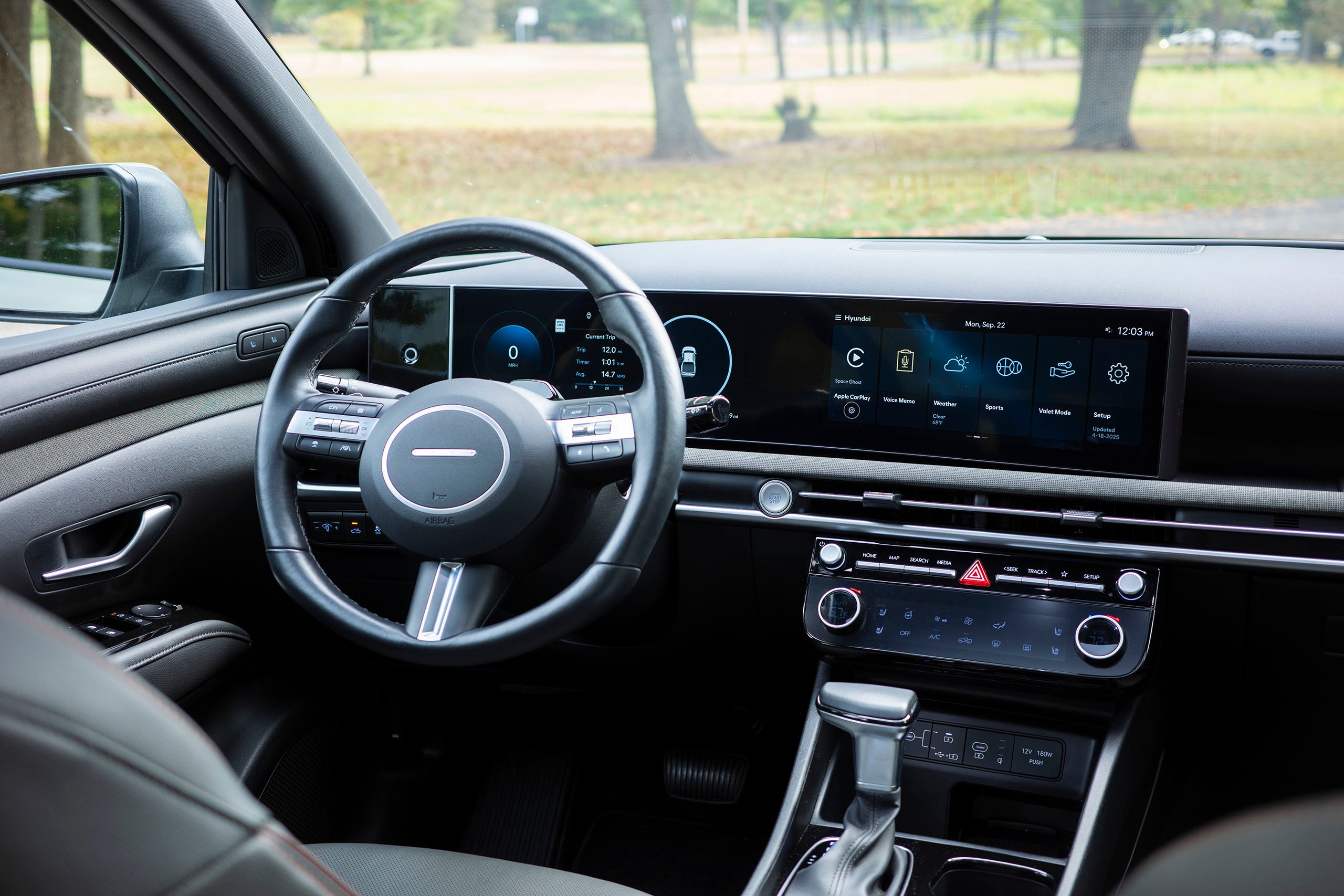
A series of regulations affecting new vehicles has come into effect in the European Union as of Wednesday, and there are likely to be critics. The bloc is now requiring that every car be outfitted with an interior-facing camera as part of an “advanced driver distraction warning (ADDW) system” designed to monitor when drivers are distracted, fatigued, or otherwise inattentive and prompt them to maintain their focus.
Features aimed at maintaining driver attention are not a new concept, and many already provide reminders if you have been driving for extended periods to take a break or even stop for a refreshing drink. However, there is a distinction between an infrequent nudge from a “basic” timer and the continuous monitoring of what an ADDW system would undertake to catch you slipping.
While any sensible person would value having more alert drivers around them, the genuine concern is what becomes of this footage after it is recorded, and whether car manufacturers will be diligent and shrewd enough to safeguard it from malicious entities.
Moreover, frankly, whether the manufacturers themselves can be trusted with such sensitive information. All About Cookies, in an explainer on this matter that anyone interested should review, pointed to a New York Times investigation revealing how automakers like General Motors and Honda have previously been caught mishandling data, sharing “driving score” information with brokers, who then, in certain instances, sold that data to insurance providers, leading to increases in customer premiums.
Currently, while the EU insists that ADDW systems operate in a “closed loop”—meaning no data is transmitted to external servers and everything is contained within the vehicle—demanding this and actually enforcing it through defined processes are vastly different. And even if privacy issues are treated with seriousness, this is yet another instance of technological intrusion that is sure to further escalate vehicle costs, especially as they are already rising uncontrollably.
Alongside the ADDW regulation, the EU is also mandating that new vehicles include advanced emergency braking systems capable of identifying pedestrians and cyclists, an expanded safety glass area to safeguard pedestrians during accidents, and fresh assessments for worn tires to gauge safe performance.
In 2021, the U.S. Congress passed legislation that would necessitate similar technology, including in-vehicle cameras, in new cars to address drunk and impaired driving. After an extension, this technology is set to be required in vehicles starting next year.
The issue with that requirement is that the technology needed to passively recognize signs of intoxication is still developing, and in April, the National Highway Traffic Safety Administration determined that none of it is ready for market. Thus, Americans may temporarily avoid mandatory cabin surveillance, but trends suggest it’s just a matter of time before similar measures are adopted here as well.
Have a tip? Contact [email protected]
**Compulsory Implementation of In-Car Cameras in Europe; US Guidelines Anticipated Soon**
Recently, the automotive sector has experienced a major shift towards improved safety protocols and technological innovation. A notable development is the mandated introduction of in-vehicle cameras throughout Europe. This initiative seeks to enhance road safety, decrease accidents, and collect valuable data for traffic management and insurance purposes. As Europe paves the way, discussions about analogous regulations in the United States are gaining traction, with anticipation for new guidelines to emerge shortly.
### The Justification for In-Car Cameras
The main goal behind installing in-car cameras is to bolster the safety of drivers and passengers. These cameras have the capability to monitor driving habits, identify potential risks, and give immediate feedback to drivers. By documenting incidents, they can act as essential evidence during accidents, helping to clarify disputes and simplify insurance claims.
In addition to safety, in-car cameras contribute to larger traffic management efforts. The data gathered from these devices can be assessed to uncover trends in driving behavior, traffic jams, and accident-prone areas. Such information can guide urban planning and infrastructure enhancements, ultimately resulting in safer streets for everyone.
### European Legislation
The European Union has been leading the way in enforcing regulations that require the use of in-vehicle cameras. The European Commission has introduced legislation mandating that all new vehicles sold in the EU be fitted with advanced driver-assistance systems (ADAS), which encompass in-car cameras. These laws form part of a more extensive strategy aimed at achieving zero fatalities on European roads by 2050.
The rollout schedule for these regulations is slated to commence in 2024, using a phased approach to allow manufacturers to comply without major disruptions. The legislation also prioritizes data privacy, ensuring that the footage collected by in-car cameras is utilized responsibly and securely.
### Consequences for the Automotive Sector
The compulsory introduction of in-vehicle cameras brings both challenges and prospects for automotive manufacturers. Companies will need to invest in the creation and integration of these technologies in their vehicles. This may necessitate collaborations with tech firms specializing in camera systems and data analysis.
Furthermore, the transition to in-car cameras is expected to influence consumer preferences. As safety features become a normative expectation, manufacturers that focus on advanced technologies could gain a competitive advantage in the marketplace.
### US Regulations on the Horizon
As Europe paves the way for in-vehicle camera regulations, the United States is closely observing these developments. The National Highway Traffic Safety Administration (NHTSA) has been conducting studies on the advantages of in-car cameras and is poised to issue new guidelines soon.
The possible regulations in the US may align with those in Europe, emphasizing safety improvements and data collection. However, the timelines for implementation and specific stipulations may vary, reflecting the unique context of the American automotive landscape.
### Privacy Issues and Ethical Considerations
While the advantages of in-car cameras are evident, they also give rise to significant privacy issues. The accumulation and storage of video footage can lead to potential exploitation if not strictly regulated. It is vital for legislators to establish clear frameworks on data ownership, access, and retention to safeguard consumers’ privacy rights.
Ethical considerations are also at play, particularly regarding the use of harvested data for purposes beyond safety, such as targeted marketing or surveillance. Achieving a balance between technological progress and individual privacy will be crucial as regulations advance.
### Conclusion
The mandatory implementation of in-car cameras in Europe signifies a substantial advance in enhancing road safety and refining traffic management. As the automotive industry adjusts to these changes, similar regulations are expected in the United States, indicating a growing awareness of the necessity for advanced safety technologies. As these changes progress, addressing privacy concerns and ensuring that the benefits of in-car cameras are attained without infringing on individual rights will be paramount.