
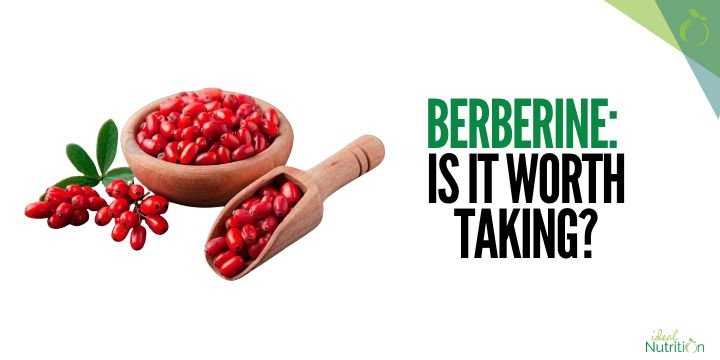
Berberine is a naturally occurring compound found in several plants, including barberry, goldenseal, Oregon grape, and tree turmeric. It has a long history of use in traditional Chinese and Ayurvedic medicine.
In the Western world, it has gained a lot of popularity as well, for a variety of reasons. There are many claims about conditions and situations where it can help. In this blog, we will go through these claims and assess how effective it is.
Mechanism
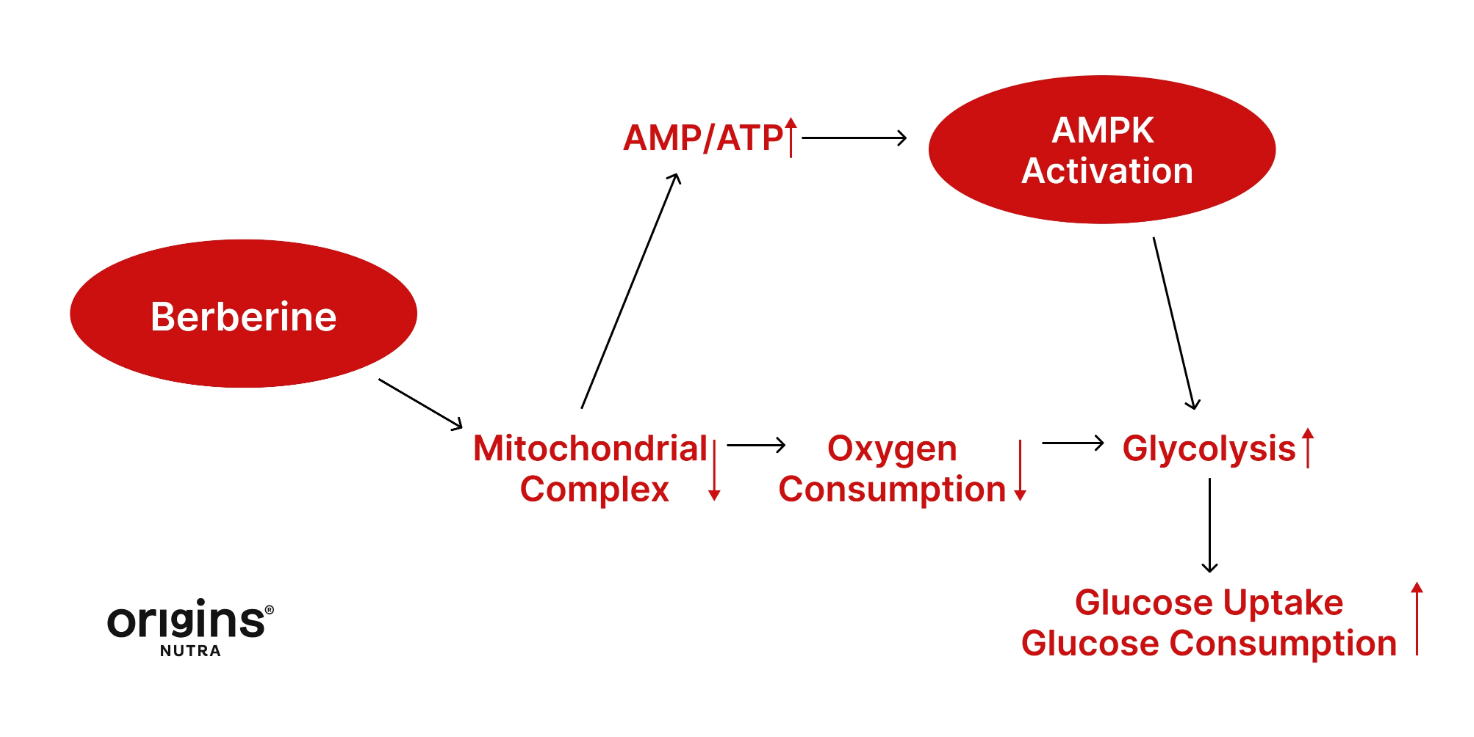
Berberine activates an enzyme called AMPK, which plays a key role in regulating energy metabolism.
This can theoretically help with the following:
- Increasing glucose uptake into cells
- Suppresses glucose production in the liver
- Improving insulin sensitivity by reducing inflammation and lipid accumulation
This mechanism overlaps with a lot of how metformin works, which is why the two are often compared.
It also upregulates LDL receptors on liver cells, which is part of how it is proposed to play a role in cholesterol level management.
And there are also a few other mechanisms around inflammation.
Diabetes
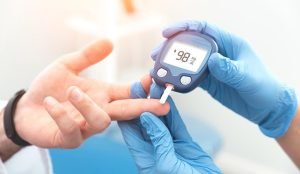
Diabetes is the area where berberine tends to be spoken about the most. Because the mechanisms are largely relevant for insulin sensitivity and glucose, this makes sense.
Research actually does look quite promising for berberine and diabetes.
For example, a study looking at 116 people with type 2 diabetes, taking 1 gram of berberine per day, found a reduction in fasting blood glucose levels of 20%.
There is a general recommendation to be cautious when taking berberine alongside medications. That specific review found that berberine does not seem to increase the risk of blood glucose levels dropping too low. But it is still recommended to monitor for this just in case.
Cholesterol
Berberine lowers cholesterol mainly by inhibiting PCSK9, a protein that normally destroys LDL receptors on liver cells.
With less PCSK9 activity, more LDL receptors survive and remain active on the liver’s surface, allowing them to pull more LDL cholesterol out of the bloodstream for clearance.
It also activates AMPK in the liver, which reduces the liver’s own production of fats and cholesterol in the first place. The net result is less LDL and fewer triglycerides circulating in the blood.
In terms of effectiveness, a review of the majority of the research looking at this found it consistently reduced cholesterol levels. This is under the circumstances where cholesterol was elevated at the baseline
Weight Loss
There have been trends on social media comparing berberine to certain weight loss medications and promoting it as a natural alternative. The mechanisms are similarly based on insulin sensitivity. Fortunately, we have data looking at the outcomes.
One study that included 80 participants compared berberine vs placebo for 3 months. The average weight loss was around 1.5kg. The odd thing is that this study is quoted in a lot of places when people are pointing to evidence of berberine for weight loss.
An optimistic and practical perspective is that it DID seem to help. But for context, we are seeing >15% reductions in body weight commonly for weight loss medications.
A review looking at this topic across a larger number of studies found an average weight loss of about 2kg.
This falls into a category of small consistent improvements. But it also isn’t something where you should expect large changes.
Metabolic Dysfunction-Associated Steatotic Liver Disease
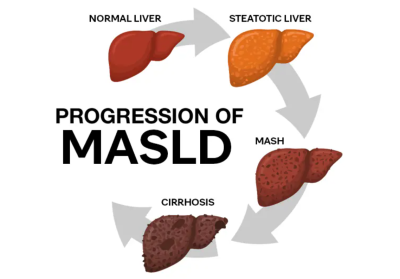
Metabolic Dysfunction-Associated Steatotic Liver Disease was previously known as non-alcoholic fatty liver, but the terminology has been updated in recent years.
The evidence for berberine is actually quite promising. It’s likely more effective here than for weight loss alone.
A meta-analysis of 10 RCT’s featuring 811 participants found noticeable improvements on average.
Specifically, it found:
- Improvements in liver function markers such as ALT, AST and GGT.
- Big improvements in insulin sensitivity
A tricky thing in interpreting this is that the majority of patients also had co-morbidities, such as diabetes, too.
While there is not as much research as we would like, there does appear to be a decrease in the hepatic fat content vs placebo too.
How to Take
The gold standard for taking berberine is around 500mg, 3x per day, approximately 30 minutes before meals.
It has a relatively short half-life. It peaks in the blood after 1-4 hours.
Berberine is well known for having relatively poor bioavailability. While there are a few protocols designed to improve absorption, a lot of the research shared in this article is based mostly on consuming it pre-meal. Having it in this window can improve absorption a bit.