
Glare from headlights is a significant problem that current regulations overlook. A recent study by AAA revealed that 60% of drivers in the U.S. perceive headlight glare as a problem when driving after dark, and nearly 75% believe the issue has worsened over the past ten years. Another study supports this finding, indicating that many cars and trucks emit excessive headlight glare, yet they still comply with federal standards.
This analysis was carried out by the eyewear brand Overnight Glasses, and its methodology is well-structured. Researchers utilized headlight-testing data from 257 models collected by the Insurance Institute for Highway Safety (IIHS) and compared it to vehicle height—since taller vehicles position headlights closer to the line of sight of other drivers—to develop a glare index for nighttime driving.
If you’ve checked the IIHS ratings while looking for a new vehicle, you might be aware that some models don’t meet the standard in the insurance organization’s headlight evaluations. One such example is the second-generation (2017-2024) Nissan Titan, which caused headlight glare 615.1% above what the IIHS defines as a safe threshold. This is the most extreme case among 16 different headlight models the IIHS evaluated during the second-gen Titan’s production period.
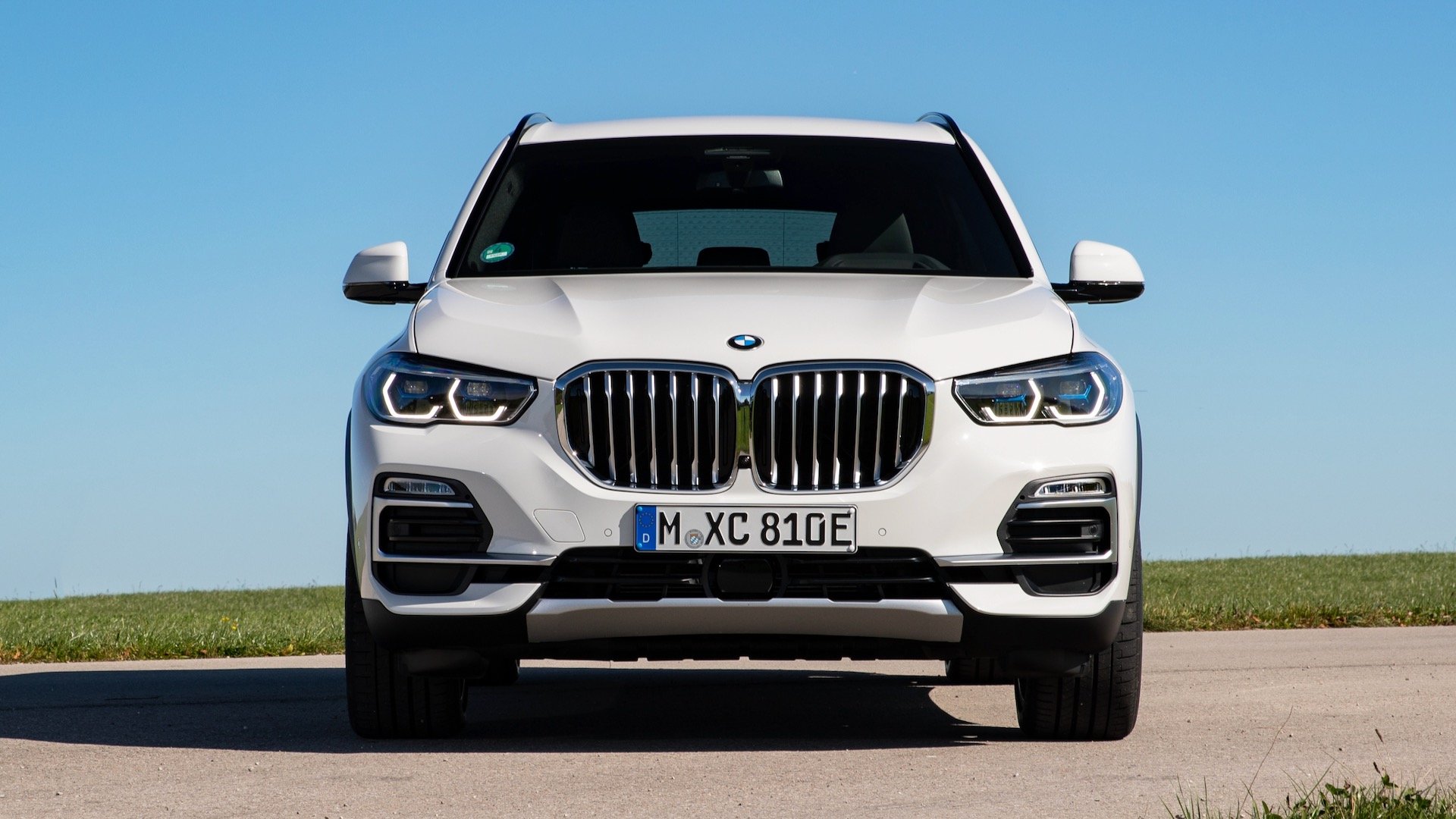
The Titan was cited as having the worst overall headlight glare in the analysis, even though the BMW X5’s headlights created even higher glare, registering at 677.8% over the IIHS-approved limit (based on 12 different headlight types from the same range of production years as the Titan). However, since this examination also considers vehicle height, and the X5 isn’t as tall as the Titan, it received a more favorable score of 95.6, in contrast to the Nissan’s 100.
Taking into account both vehicle height and the raw glare generated by overly bright headlights, the rankings were predominantly filled with full-size pickup trucks. The Chevrolet Silverado 1500 and Ram 1500 followed closely behind the Titan in second and third place, respectively. The GMC Sierra 1500 secured the fifth position, interestingly, the Ford F-150 came in 10th place, exhibiting a lower glare index than the Edge, Lincoln Nautilus, and Kia Sedona.
A significant point made here is that all of these vehicles adhere to federal regulations—you wouldn’t be able to purchase them otherwise. As evidenced by IIHS tests, federal standards are vastly insufficient in both tackling glare and ensuring that headlights provide proper illumination at night. Manufacturers do not feel compelled to rectify this issue not only because they are not required to but because current regulations leave little room for innovative lighting technology (although this is starting to change).
**Nissan Titan Headlight Glare Surpasses IIHS Limit by 615%, Yet Remains Permissible**
The Nissan Titan, a full-size pickup truck, has attracted attention for its powerful performance and features, as well as a troubling safety concern regarding its headlights. Recent evaluations have shown that the headlight glare from the Nissan Titan breaches the thresholds established by the Insurance Institute for Highway Safety (IIHS) by an astonishing 615%. This considerable excess raises concerns about vehicle safety criteria and regulatory adherence.
### Understanding Headlight Glare
Glare from headlights is a significant safety issue, especially for incoming drivers. It can hinder visibility, contributing to hazardous driving conditions, particularly at night or in low-light scenarios. The IIHS has set guidelines to ensure that headlights deliver sufficient light without producing excessive glare that might jeopardize other road users.
### The IIHS Standards
The IIHS performs rigorous assessments on vehicle headlights, evaluating their brightness and glare levels. The organization has specified limits to determine whether headlights are safe for roadway use. When a vehicle’s headlights exceed these thresholds, it signals a potential danger to other drivers, necessitating manufacturers to take action.
### The Nissan Titan’s Performance
In recent evaluations, the headlights of the Nissan Titan were found to emit glare levels exceeding the IIHS’s acceptable limits by an alarming 615%. This difference underscores a major safety concern, as such elevated levels of glare can significantly impair the visibility of oncoming drivers, heightening the chances of accidents.
### Legal Implications
Despite the glaring safety concern, the Nissan Titan is still legal for sale and operation on public streets. This situation arises because federal regulations regarding vehicle lighting do not necessarily correspond with IIHS standards. As long as the vehicle conforms to the minimum federal specifications, it can be considered roadworthy, even if it surpasses IIHS glare thresholds.
### Manufacturer Responsibility
The discovery of excessive headlight glare has sparked discussions about the responsibilities of manufacturers. Automakers are expected to emphasize safety in their designs, and the Nissan Titan’s performance raises questions regarding the company’s dedication to ensuring safe driving conditions. It also highlights the necessity for ongoing discussions among manufacturers, safety organizations, and regulatory agencies to resolve such inconsistencies.
### Consumer Awareness
For consumers, this information acts as a vital reminder to assess headlight performance when selecting a vehicle. Potential buyers of the Nissan Titan should be aware of the headlight glare concern and its implications for safety. Additionally, current owners may wish to investigate aftermarket options or modifications to mitigate glare and improve visibility for themselves and other road users.
### Conclusion
The Nissan Titan’s headlight glare exceeding IIHS limits by 615% highlights a significant safety issue within the automotive sector. While the vehicle is still legal for use, the situation calls for increased consumer awareness and a reassessment of safety criteria by manufacturers and regulatory bodies. As the discourse surrounding vehicle safety continues to evolve, it is crucial for all parties involved to prioritize the safety of drivers and pedestrians alike.
 admin
admin