
“The wound is the place where the Light enters you.” ~Rumi
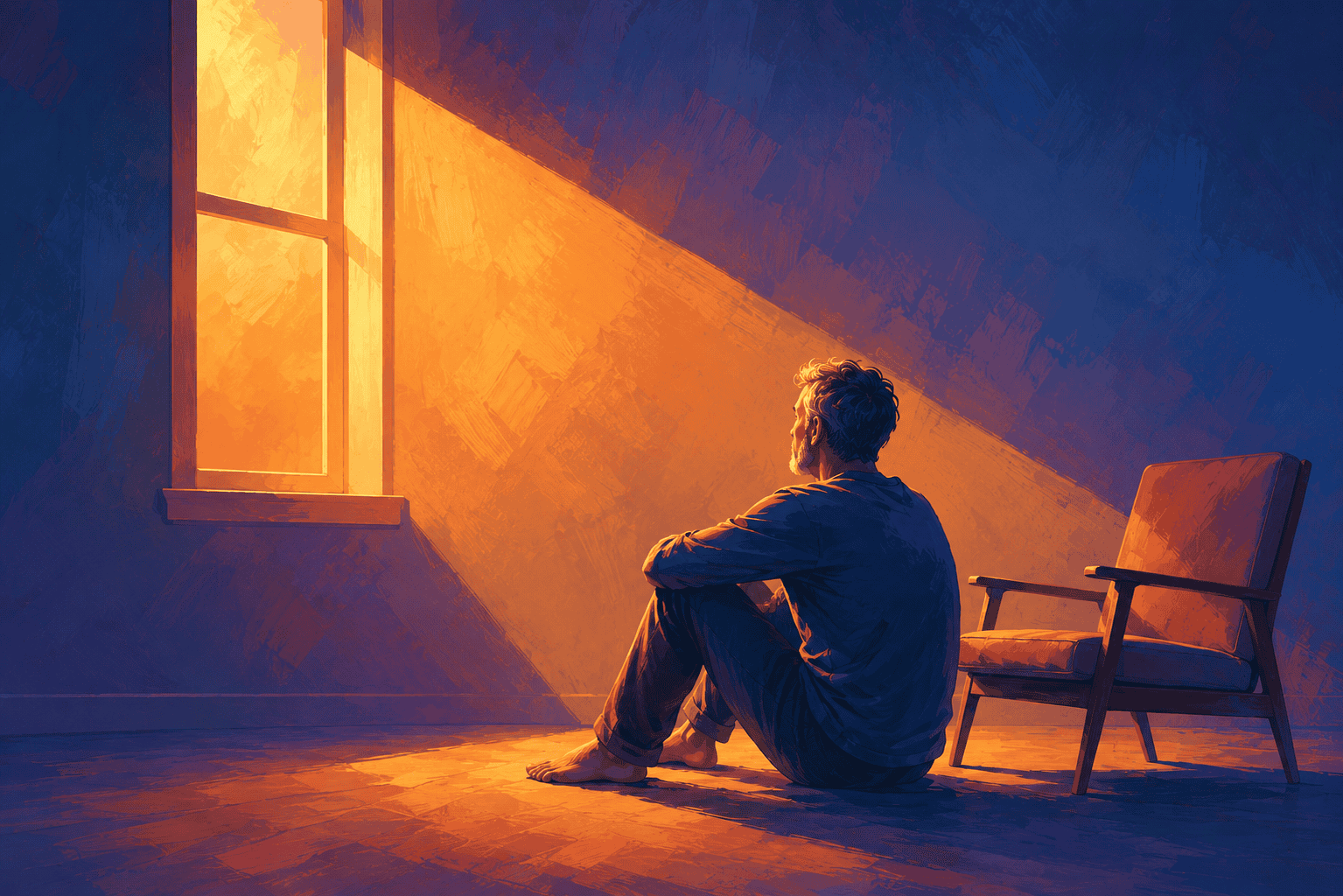
The room remained unchanged upon her departure. The chair sat exactly as it always had, positioned toward the window in her preferred manner. What shifted was my ability to finally perceive the form of what I had been relying on, now that it was absent.
For an extended period, I labeled my feelings as “love,” and some of it was indeed love. Yet beneath the sorrow was a truth I was slow to acknowledge. Much of what I yearned for wasn’t her—it was the person I became when she was present. The one who didn’t have to confront solitude with just his thoughts. The one who felt secure because someone else was gripping the other side of the rope.
I believe we often do this without realizing it. We encounter someone, and without intending to, we surrender a fragment of ourselves for safekeeping. Our sense of well-being. Our motivation to rise each day. The unspoken assurance that we hold significance for someone.
This feels like closeness, and at times it truly is. Yet it can also function as a form of dependence. We relinquish the aspects of ourselves that seem burdensome to carry, branding the arrangement as love, only to find that one day the person departs or passes away or merely transforms, revealing we had been stashing vital parts in a dwelling that wasn’t ours to begin with.
That was the most challenging aspect of losing her. It wasn’t the longing, which I anticipated. It was the disorientation. I continuously reached for stability only to find the spot where it had once been. It resembled returning to a room and searching for a light switch that had been relocated.
I aim to tread carefully here, as grief advice often rushes individuals. A person may be on the brink of collapse, and we deliver a lesson, assuming it will lighten the burden. It doesn’t work that way. The first demand of loss is not understanding; it’s the green light to fully experience it.
I spent numerous months attempting to rationalize my way out of the pain before realizing that the pain wasn’t a dilemma to be resolved. It was insight. It revealed to me, with a clarity nothing else could provide, precisely where I had been living outside my own existence.
So, I ceased my attempts at controlling it. I allowed it to remain. I permitted it to exist in its entirety. Gradually, in the acceptance, something beneath the sorrow began to express itself.
What it conveyed was this: the steadiness you mourned was never truly hers to offer. It was not installed in you by her. She merely reminded you it was always present.
The warmth, the assurance of sufficiency, the calm at the core—these were yours all along. You merely fell into the routine of experiencing them solely in her company, mistakenly believing she was their origin. She wasn’t. She was merely a window. And while losing a window is indeed a significant loss, a painful one, it does not equate to losing the light.
I’m not suggesting we don’t rely on one another. We absolutely do. I do not subscribe to the notion that independence is the utmost virtue while intimacy is a weakness. We are designed for connection, and living without it diminishes our existence.
What I propose is a more refined and, I believe, functional idea. The love that demands our very selves is not the most profound form. The deepest type is the love we can extend from a self that is already intact, rather than the love we seek in order to become intact. One represents a gift. The other is a transaction we’ve adorned as devotion.
The distinction is difficult to discern from within a thriving relationship, as everything appears to be in harmony. You only realize which type you experienced when it concludes. If the individual departs and you grieve, that reflects love. If they leave and you vanish, that signifies the aspect of you that you had surrendered is now due.
For me, the path to healing was not grandiose. It involved learning to be in the same space I once shared, alone, without fleeing.
It involved recognizing the moment my thoughts reached out for her to feel okay and instead remaining present with the discomfort rather than pursuing relief. It looked like a multitude of small refusals to once again outsource myself. None of it felt like progress as it transpired. It felt merely like sitting in an empty room. Yet, I have come to understand that this is precisely the work. You stay long enough that the room ceases to feel empty and starts to feel like it belongs to you.
There’s a peculiar gift hidden within this, and I almost hesitate to articulate it as it may seem like I’m tidying the pain. I’m not. Yet it’s true: loss returned me to my essence.
It compelled me to search within for the aspects I had been seeking externally, and, to my astonishment, they existed. Not entirely developed, not easily accessible, but present. The wholeness I thought I had lost turned out to be the wholeness I had been neglecting all along.
If you find yourself in the midst of losing someone, I won’t pretend any of this lightens the load today. It doesn’t function that way. But I can offer one small notion to hold onto. The pain you experience is not solely a testament to their significance, although it undeniably is that. It is also a roadmap. It’s demonstrating to you, with painful accuracy, the specific areas where you ceased to hold your life and sought someone else to do it in your stead.
You needn’t take action on that map just yet. You merely have to allow yourself to feel it and trust that it knows where the unfinished business lies.
What we seek in another person is almost never absent. It’s simply lying in wait, a bit deeper than we initially intended to delve. Grief, for all its harshness, can guide us there.
About Santiago Vitagliano
Santiago Vitagliano writes under the pseudonym SAVI. He is the author of The Journey Begins Within and Awakened Paths | Caminando Despiertos, composed in both English and Spanish, and a Readers’ Choice Finalist at the American Book Fest. His works explore the intersection of reflective faith and the practical aspects of healing. He shares at thejourneybeginswithin.com.
**Finding Wholeness After the Loss of a Loved One**
The loss of a cherished person ranks among life’s most significant trials. Grief can be all-consuming, leaving people in a state of disarray, sorrow, and yearning. However, it is possible to achieve wholeness following such a loss through a journey of healing, self-exploration, and acceptance.
**Understanding Grief**
Grief is a natural reaction to loss, carrying a spectrum of emotions including sorrow, anger, remorse, and occasionally relief. Recognizing that grief is not a straightforward process is crucial; it can fluctuate and manifest unexpectedly. Grasping this journey is the initial step toward healing.
**Allowing Yourself to Grieve**
A vital part of discovering wholeness is granting oneself permission to grieve. This involves acknowledging emotions and articulating them in a supportive setting. Whether through discussions with friends, journaling, or seeking professional assistance, expressing grief can promote healing.
**Creating Rituals and Memorials**
Commemorating the memory of a loved one can offer solace and a sense of continuity. Establishing rituals, such as lighting a candle, planting a tree, or conducting a memorial service, can help people celebrate the life of their loved one while concurrently allowing space for their grief.
**Seeking Support**
Isolation can intensify grief. Engaging with others who have endured similar losses can cultivate understanding and support. Grief support groups, therapy, or simply leaning on friends and family can create a compassionate community of shared experiences.
**Finding New Meaning**
As time progresses, many discover that their outlook on life evolves. Partaking in joyful activities, exploring new interests, or volunteering can assist individuals in uncovering new significance and purpose. This does not imply forgetting the loved one; rather, it is about weaving their memory into a new phase of life.
**Practicing Self-Care**
Grief can impact both physical and emotional well-being. Prioritizing self-care through adequate nutrition, exercise, and rest is essential. Mindfulness practices, such as meditation or yoga, can also help ground individuals and offer pockets of tranquility amid the turmoil of grief.
**Embracing Change**
The pathway to wholeness means welcoming change. Life will inevitably alter following a significant loss; however, this does not mean it cannot be enriching. Accepting this new reality and being receptive to change can foster personal development and resilience.
**Conclusion**
Achieving wholeness after losing a loved one is an intensely personal journey that demands time, patience, and self-kindness. Although the anguish of loss may never entirely fade, it can coexist with new experiences, relationships, and a renewed sense of purpose. By allowing oneself to grieve, seeking support, and embracing change, individuals can navigate their path toward healing and wholeness.
 admin
admin