
AI chatbots are being embraced by management that wants to spend less money on employees, and employees who want to lighten their workloads. But that all assumes the software can actually do the tasks it’s assigned correctly. A Canadian BMW dealership recently found out that this can be a costly assumption.
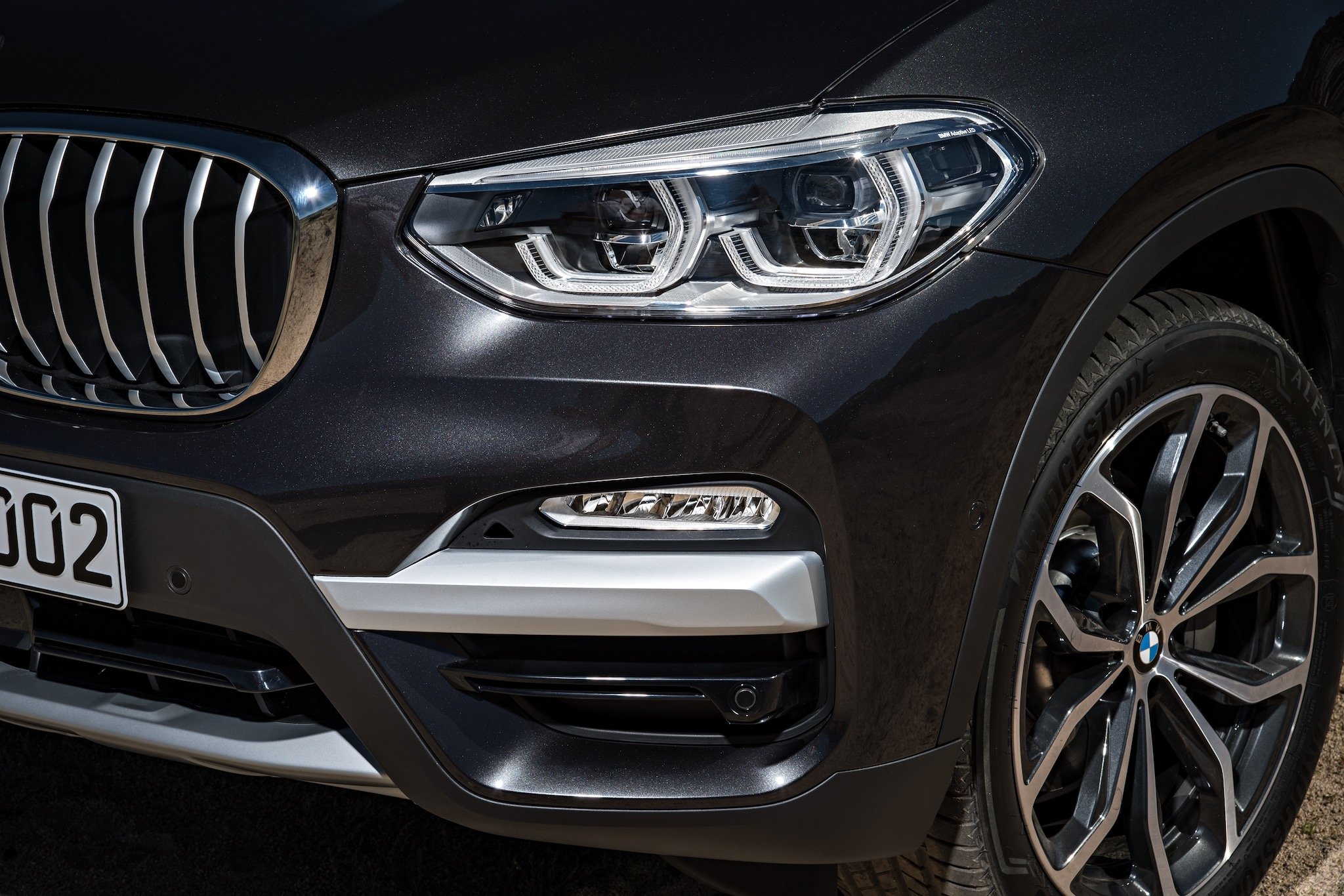
As reported by CBC News, faced with a major repair bill, Zach Giacomelli decided to sell his 2021 BMW X3 back to BMW Toronto, the dealership he bought the crossover from used in 2023. After contacting the dealership, he received a text from “Quinn,” who asked questions about the X3 (which was at the dealership for the aforementioned repair work) and came back with an offer of $27,162.79 CAD ($19,385.68 USD at current exchange rates).
That was great news for Giacomelli, as the offer was the exact amount the 31-year-old owed on the car. But not long after, he received a call from an actual salesperson saying the offer wasn’t valid. They explained that “Quinn” was a chatbot—a fact that Giacomelli wasn’t aware of during the negotiation—and that it had made an error. The salesperson said the dealership was really willing to offer, at best, only $20,000 Canadian—about $7,000 ($4,995 U.S.) less than what the chatbot offered.
“I feel embarrassed, and I feel angry that I’ve been negotiating with this bot,” Giacomelli told CBC News. “If they’re going to be replacing their employees’ jobs with AI, then they need to be honoring what that AI says.”
That is what the dealership did after it was contacted by CBC News. The offer of $27,162.79 Canadian was reinstated to “do right” by Giacomelli, sales manager Scott Shadbolt said in a phone interview with the media outlet. Shadbolt explained that, due to a miscommunication by a human employee, the chatbot misinterpreted the amount Giacomelli owed—$27,162.79 Canadian—as the amount the dealership was willing to pay.
In Canada, at least, companies can be held liable for mistakes made by chatbots. In 2024, Air Canada was required to honor a fare rebate after its chatbot gave a customer wrong information, CBC News notes. A lawyer consulted by the publication said that, even though Giacomelli hadn’t accepted the offer (he’d made a slightly higher counteroffer), it was reasonable to think that an agreement was in place because the chatbot set up a physical meeting, telling him “let’s lock it in today at 3:30.”
Initial uncertainty about the outcome aside, this all worked out pretty well for Giacomelli. Not having to talk to a car salesperson sounds pretty good, from a buyer’s perspective, especially when you can get free money from an AI chatbot’s mistakes. But the push to replace human salespeople at dealerships with AI probably won’t last long if mistakes like this keep getting made.
**BMW Dealer Required to Compensate $5,000 Due to AI Chatbot Mistake in Used X3 Sale**
In a landmark case highlighting the intersection of technology and consumer rights, a BMW dealership has been ordered to compensate a customer $5,000 due to a mistake made by an AI chatbot during the sale of a used BMW X3. This incident underscores the growing reliance on artificial intelligence in the automotive sales industry and raises important questions about accountability and consumer protection.
### Background of the Case
The incident began when a potential buyer interacted with the dealership’s AI chatbot on its website. The chatbot was designed to assist customers by providing information about available vehicles, pricing, and financing options. During the conversation, the chatbot mistakenly provided inaccurate information regarding the pricing and features of a used BMW X3, leading the customer to believe they were purchasing a vehicle at a significantly lower price than what was actually listed.
Upon arriving at the dealership to finalize the purchase, the customer was informed of the actual price, which was substantially higher than what the chatbot had quoted. Frustrated by the discrepancy, the customer filed a complaint with the dealership, which was subsequently escalated to a legal dispute when the dealership refused to honor the quoted price.
### Legal Proceedings
The case was brought before a local consumer protection agency, which examined the interaction between the customer and the AI chatbot. Evidence was presented, including transcripts of the chatbot conversation, which clearly showed the erroneous information provided by the AI. The agency ruled in favor of the customer, stating that the dealership was responsible for the actions of its chatbot, as it was an extension of their sales process.
### Implications for the Automotive Industry
This ruling has significant implications for the automotive industry, particularly as more dealerships adopt AI technology to enhance customer service and streamline sales processes. The case raises critical questions about the legal responsibilities of businesses that utilize AI systems. As AI becomes more integrated into consumer interactions, dealerships must ensure that their systems are accurate and reliable to avoid similar disputes.
### Consumer Rights and AI
The case also highlights the importance of consumer rights in the age of AI. Customers must be able to trust that the information they receive, whether from a human representative or an AI system, is accurate and reliable. As AI technology continues to evolve, businesses will need to implement robust oversight and accountability measures to protect consumers from potential misinformation.
### Conclusion
The BMW dealership’s requirement to compensate the customer $5,000 serves as a cautionary tale for businesses utilizing AI chatbots in their operations. As technology continues to advance, it is crucial for companies to prioritize accuracy and transparency in their customer interactions. This case not only reinforces the need for accountability in AI systems but also emphasizes the importance of safeguarding consumer rights in an increasingly digital marketplace.