
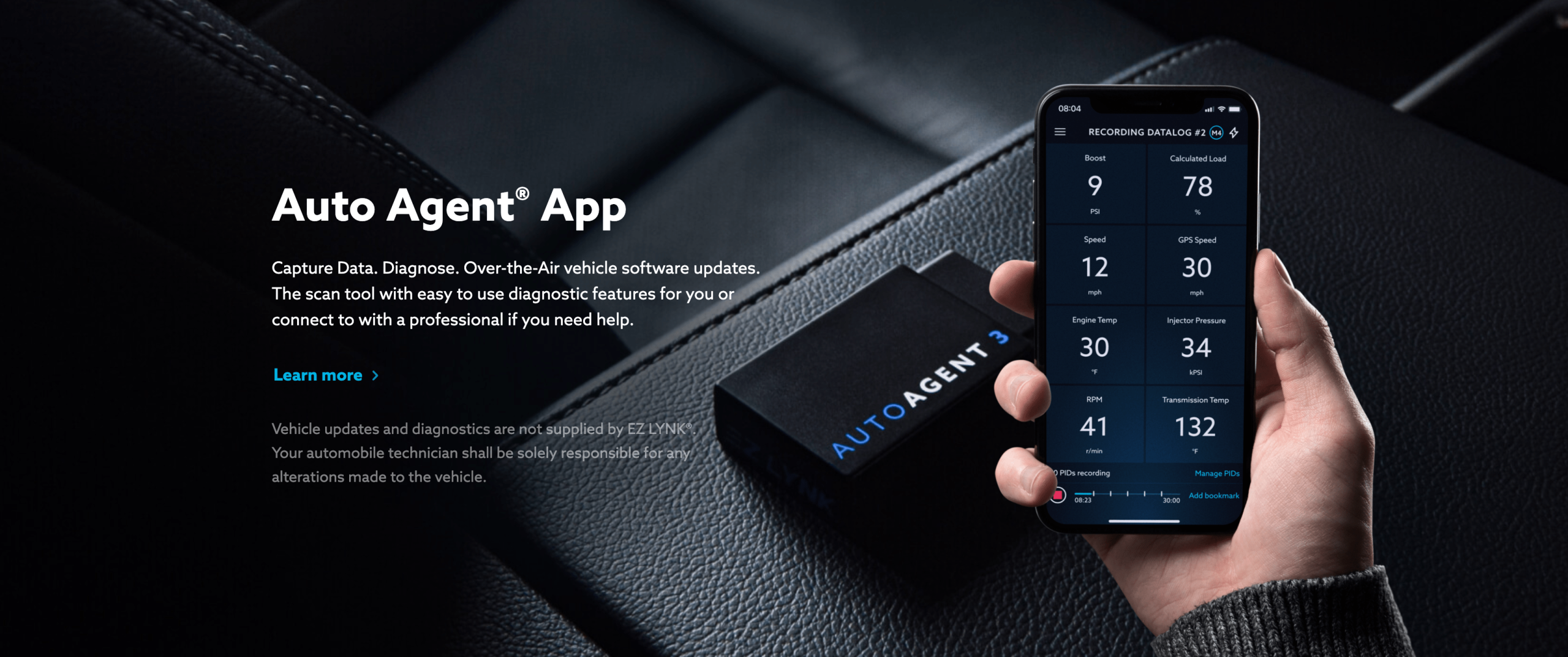
The United States Department of Justice has issued subpoenas to Apple and Google for information on at least 100,000 users who downloaded the EZ Lynk Auto Agent application. This is just the latest action taken by the federal government against EZ Lynk, following a lawsuit filed by the DOJ in 2021, which claimed the company failed to assist in an Environmental Protection Agency investigation. At the core of the dispute are allegations that EZ Lynk intentionally aided clients in altering their vehicles to breach the Clean Air Act.
User privacy is the primary concern with this action from the DOJ, as Forbes reports. The publication points to a joint communication from EZ Lynk and the DOJ to the court, where EZ Lynk contests the validity of the subpoenas, while the DOJ claims it seeks to interview individuals about their usage of EZ Lynk’s offerings. Advocates for consumer rights question the necessity of the DOJ acquiring the identities, addresses, and purchase histories of users.
“These requests for potentially hundreds of thousands of people’s PII exceed the needs of this case and raise significant privacy issues,” EZ Lynk’s attorneys asserted. “Investigating this assertion does not necessitate identifying every individual who has utilized the product.”
However, the DOJ contends that anyone who agreed to EZ Lynk’s terms and conditions “no longer [has] a recognizable privacy interest concerning that information.”
The DOJ has also subpoenaed Walmart and Amazon for the names and addresses of consumers who purchased the EZ Lynk Auto Agent hardware.
There is no denying that users employ EZ Lynk’s technology to bypass emissions systems in their vehicles. Evidence of this is prevalent online, with diesel truck operators using it to reprogram their engine control unit after removing the diesel particulate filter or exhaust gas recirculation system. However, not every consumer who has acquired an EZ Lynk Auto Agent or downloaded the application does so for illicit purposes. It is marketed to service technicians for vehicle diagnostics, as well as fleet managers who require oversight of drivers’ electronic logging devices. It serves as a versatile OBDII tool that can be utilized for various objectives, including unlawful ones.
Some might find the government’s ongoing interest in EZ Lynk unexpected, considering the EPA’s relaxed approach to enforcement. As recently as 2023, the agency stated that emissions defeat devices are no longer a foremost priority. It subsequently revealed it would cease pursuing criminal charges related to OBDII tampering. We have even witnessed President Trump pardon a convicted diesel tuner who faced incarceration for removing emissions components from vehicles.
Nonetheless, the clash between the DOJ and EZ Lynk persists.
Have a tip or inquiry for the author? Reach out directly: [email protected]
**DOJ Instructs Apple and Google to Supply User Information from OBDII Applications for Emissions Inquiry**
In a significant initiative aimed at reinforcing environmental compliance and accountability, the U.S. Department of Justice (DOJ) has instructed major tech companies Apple and Google to furnish user information from On-Board Diagnostics II (OBDII) applications. This directive forms part of a broader examination into emissions compliance among automobile manufacturers and the efficacy of emissions control systems.
### Background on OBDII Technology
On-Board Diagnostics II (OBDII) is a standardized system introduced in vehicles since the mid-1990s, allowing for the tracking of engine performance and emissions control systems. OBDII systems come equipped with various sensors that gather data on vehicle emissions, fuel efficiency, and engine function. This information can be accessed via compatible applications, commonly utilized by consumers and mechanics for diagnostics and performance assessments.
### The Role of Apple and Google
Apple and Google have created platforms that host numerous applications capable of interfacing with OBDII systems. These applications can offer users insights into their vehicle’s emissions performance, aiding in the identification of potential issues that could lead to non-compliance with federal emissions standards. The DOJ’s request for user data from these applications intends to analyze trends and patterns in emissions-related concerns across a wide array of vehicles.
### Purpose of the Investigation
The DOJ’s inquiry is focused on ensuring that automotive manufacturers comply with emissions regulations established by the Environmental Protection Agency (EPA). Through the analysis of data gathered from OBDII applications, the DOJ aims to identify any discrepancies between reported emissions figures and actual performance. This investigation is particularly pertinent in light of prior scandals involving emissions deception, which have sparked public concern regarding environmental integrity and corporate accountability.
### Implications for Users and Manufacturers
The request for user data raises critical issues regarding privacy and data security. Users of OBDII applications may be apprehensive about how their data will be utilized and whether their personal information will remain protected. Both Apple and Google have reiterated their commitment to user privacy and are likely to implement measures to anonymize data before sharing it with the DOJ.
For automotive manufacturers, this investigation could result in heightened scrutiny and potential consequences if non-compliance is uncovered. This may lead to financial penalties, mandated adjustments to emissions systems, or even legal actions against manufacturers found to be violating emissions standards.
### Conclusion
The DOJ’s instruction to Apple and Google to supply user data from OBDII applications represents a vital step in the ongoing endeavor to guarantee adherence to emissions regulations. By leveraging technology and user-generated data, the DOJ aims to foster accountability within the automotive sector and uphold environmental standards. As the investigation progresses, it will be essential for all parties involved, including consumers, manufacturers, and regulatory bodies, to navigate the complexities of data privacy and environmental responsibility.
 admin
admin