
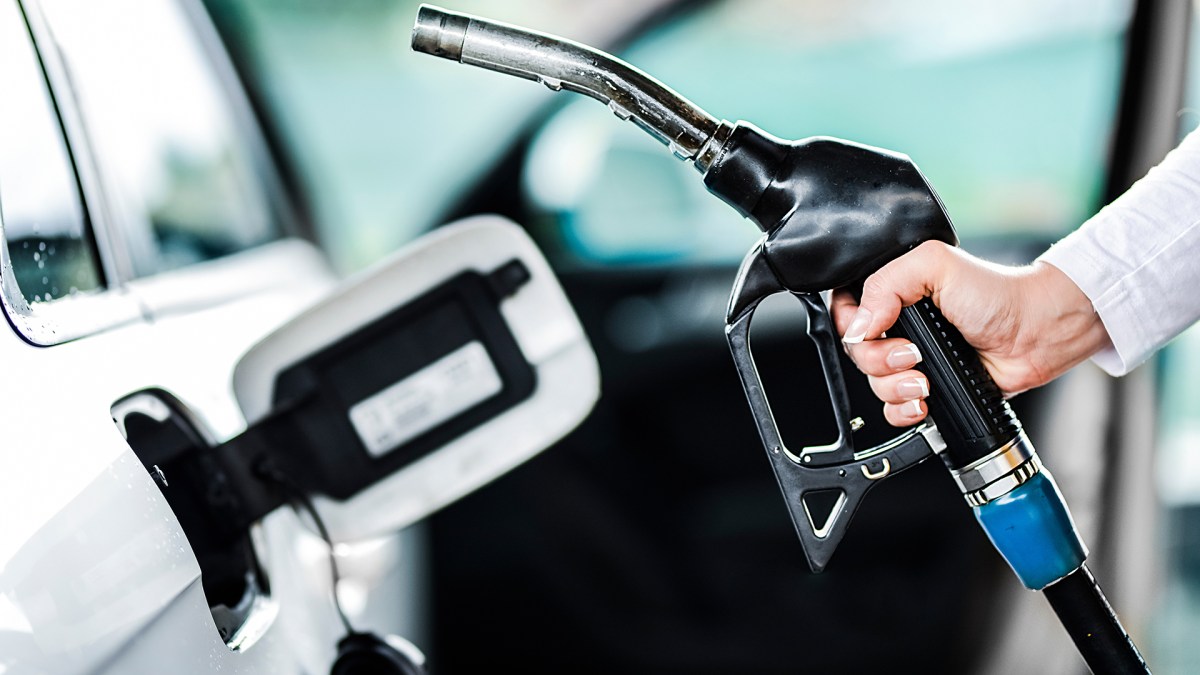
This week, Lee Zeldin’s EPA declared “greenlighting nationwide E15,” promoting it as “strengthening the domestic fuel supply.” Essentially, this signifies that the federal administration will grant additional stations permission to mix gasoline with ethanol, which yes, lowers costs, but also results in diminished power and poorer fuel efficiency in your vehicle.
Quick Overview on the May 2026 E15 Gas Waiver
Here’s a very brief contextual overview for those curious about what “E15” signifies and why it’s been trending in mainstream media this week.
- What is E10? The majority of gasoline in America consists of 10% ethanol (fermented corn alcohol) and 90% gasoline. It’s the “Standard Edition” fuel.
- What is E15? It’s the “Value Pack.” It’s 15% ethanol. It’s typically about 25 cents less per gallon, but due to the higher alcohol content, it’s marginally less powerful.
- Why is there a “waiver”? Normally, the EPA prohibits E15 from June to September since ethanol evaporates more quickly than gasoline. In summer temperatures, that additional 5% of corn syrup transforms into smog-producing pollutants at a faster rate than standard gasoline.
- The timeline: This waiver is valid from May 1 to May 20. Theoretically, conditions will revert to normal after this period.
- The catch: The government is essentially stating, “We recognize this leads to increased smog, but due to conflicts in oil-producing regions, we’ll overlook the smog rules so you can obtain cheaper corn-infused gasoline.”
- The pitch: Conflicts in the Middle East (alongside the ongoing war in Ukraine) have prompted what the EPA terms a “National Energy Emergency,” allowing fuel companies to elevate prices. High gasoline costs irritate Americans towards the government, and the government wants to avoid that.
- The precedent: This is not the first time an E15 waiver has made headlines—it arose in 2022 as well.
- The ground reality: Most newer models (post-2001) can utilize E15 without issues, although older vehicles may struggle, and small carbureted engines (such as chain saws, mowers, boats, and such) really cannot—it can damage older seals and rubbers. Exercise extra caution when refueling such vehicles to ensure you’re purchasing what’s labeled as E10 (or E0, which is available at times).
‘Boutique Fuel’ and ‘Unleaded 88’ Clarified
The EPA announcement mentioned “dismantling boutique fuel markets”—we’re not referring to farmers’ market fuel.
Certain states (like California and Illinois) have exclusive blends for gasoline to fulfill local smog requirements. The EPA is momentarily bypassing this to form a “Single National Gasoline Pool,” likely to the pleasure of oil companies (less effort on their part).
Regardless of your state, fuel options are typically categorized by octane, not ethanol content. “Unleaded 88” is generally how E15 is marketed—“88” pertains to the octane rating, not ethanol percentage. Given that ethanol has an octane rating of 114, the additional 5% of corn syrup raises a standard 87-octane “Regular” to 88. Thus, if you want to avoid E15, do not choose the Unleaded 88 option.
The Context for Your Vehicle
Most gasoline available at American stations is E10—10% ethanol. Ethanol is the preferred fuel diluter because it acts as an oxygenator. It aids in combustion and reduces carbon monoxide emissions from tailpipes. In the past, lead (which was toxic) was utilized, followed by MTBE (which contaminated groundwater). However, ethanol (corn syrup) functions effectively and has lesser negative societal consequences.
Ethanol also indeed contributes to lowering gasoline prices. It possesses an octane rating of around 114, enabling refiners to blend lower-grade gasoline with 10% ethanol, resulting in the standard knock-resistant rating of 87 octane for regular gasoline. Without it, your pump costs would likely be higher.
E10 is the current norm since it’s the highest blend the government could impose without inciting outrage from the auto industry. Moreover, the Renewable Fuel Standard (RFS) mandates a specific quota of billions of gallons of corn syrup be sold, which is another influential factor.
While ethanol is inexpensive and plentiful, it contains approximately 33% less energy than gasoline. By diminishing the energy density of fuel, the EPA states that most vehicles will experience a 1.5% to 2% dip in fuel efficiency when shifting from E10 to E15. The reality may vary somewhat. Cars.com published an article explaining the figures back in 2018:
“Ethanol’s reduced energy density results in poorer gas mileage, making E85 (which comprises 85 percent ethanol) generally a poor option in vehicles designed for it,” automotive editor Kelsey Mays stated. “This logic applies to E10 which has up to 10 percent ethanol. A gallon of E10 contains about 96.7 percent of the energy found in a gallon of gasoline, according to the DOE’s Alternative Fuels Data Center.”
Ethanol also acts as a solvent. It’s hygroscopic, meaning it absorbs moisture from the air. In elevated concentrations, it degrades standard rubber seals, plastic fuel lines, and even some aluminum alloys in older engines.
Certain engines are calibrated to operate on E85—greater ethanol content than gasoline. There are some high-performance uses of this, but the most common application is in GM’s FlexFuel engines, which possess specialized sensors and adjustments to utilize inexpensive corn-flavored fuel.
However, rising ethanol concentrations become more appealing as petrol prices soar.
The prevailing belief is that E15 is suitable for vehicles produced after 2001—a statistic you may have come across in mainstream media reports on this fuel waiver announcement. The year 2001 is specified because the EPA and DOE conducted a 6-million-mile test on a vehicle fleet to identify the “break point” for ethanol damage. Those examinations concluded that vehicles manufactured in 2001 and onwards have the necessary hardware (fluoropolymer linings) and software (advanced oxygen sensors) to manage the additional oxygen without “leaning out” and harming valves.
Nonetheless, even if your vehicle is newer, there are grounds to be wary about E15. For instance:
- The “Lean” Condition: High-performance engines (notably, those with a turbo or high compression) are calibrated for specific air-fuel ratios. Ethanol has a higher oxygen content than gasoline. When the computer detects this “lean” condition, it cannot simply inject 5% more fuel—it often must introduce substantially more fuel to keep temperatures down and ward off “knock” or “pinging.”
- The “Closed-Loop” Delay: Although 2001-and-later vehicles can adjust, they aren’t always 100% effective at it. During urban driving (stop-and-go), the computer constantly seeks the correct mixture as throttle input fluctuates. This “searching” for the ideal mixture is where that additional 1% or 2% efficiency loss occurs.
- Stoichiometric Issue: Ethanol combusts at a cooler temperature, which enhances power, but due to its lower energy density, you must pass through more volume of liquid in the engine for the same outcome. For a truck hauling a trailer or a sports car tackling mountain roads, that theoretical 1.5% decrease can easily swell to 4% in reality.
The most frustrating aspect of fuel science is its lack of transparency. You see “up to 10% ethanol” and (usually) choices for 87, 89, and 93 octane at the pump, but everything comes from the same nozzle—there’s no means to verify what’s entering your tank in real-time. In theory, we must rely on federal and local authorities to ensure fuel companies operate truthfully.
Have a story tip? Reach out to us at [email protected].
**Federal Initiative to Commence Gasoline Blending in May: An Overview**
In a notable action aimed at tackling environmental issues and improving fuel efficiency, the federal government has unveiled a plan to initiate gasoline blending starting in May. This program is part of a wider strategy to decrease greenhouse gas emissions and encourage cleaner energy options.
**What is Gasoline Blending?**
Gasoline blending entails mixing conventional gasoline with alternative fuels or additives to produce a more eco-friendly product. This procedure can involve integrating biofuels, like ethanol, or other renewable energy sources that help minimize the carbon footprint of standard fuels.
**Goals of the Plan**
The main goals of the gasoline blending initiative are:
1. **Emissions Reduction**: By blending gasoline with cleaner alternatives, the program aims to substantially lower hazardous emissions from vehicles, leading to enhanced air quality and public health.
2. **Support for Renewable Energy**: The plan promotes the utilization of renewable energy sources, aligning with national objectives to shift towards a more sustainable energy framework.
3. **Improving Fuel Efficiency**: The blending process is anticipated to enhance the overall efficiency of gasoline, potentially resulting in better mileage for consumers and reduced reliance on fossil fuels.
**Implementation Schedule**
The federal government has outlined a timeframe for the implementation of the gasoline blending plan, with actions set to commence in May. Key milestones include:
– **Regulatory Framework**: Developing guidelines and standards for the blending process to guarantee safety and efficiency.
– **Industry Partnership**: Collaborating with fuel producers and distributors to navigate the transition and ensure adherence to new regulations.
– **Public Awareness Campaign**: Initiating programs to inform consumers about the advantages of gasoline blending and its effects on vehicle performance and environmental considerations.
**Obstacles and Factors to Consider**
While the gasoline blending initiative offers numerous advantages, it also contends with various challenges:
– **Infrastructure Preparedness**: Current fuel distribution systems may need enhancements to accommodate the new blended fuels.
– **Consumer Reception**: Informing the public and obtaining acceptance of blended gasoline as a feasible alternative will be vital for the success of the initiative.
– **Economic Effects**: The influence on fuel prices and the overall economy will require monitoring, as alterations in fuel composition might lead to price fluctuations.
**Conclusion**
The federal initiative to start gasoline blending in May represents a crucial move towards a more sustainable energy future. By mixing traditional gasoline with alternative fuels, the program seeks to reduce emissions, foster renewable energy, and improve fuel efficiency. As the implementation date approaches, industry stakeholders must work collaboratively to ensure a seamless transition and maximize the advantages of this innovative approach to fuel production.