
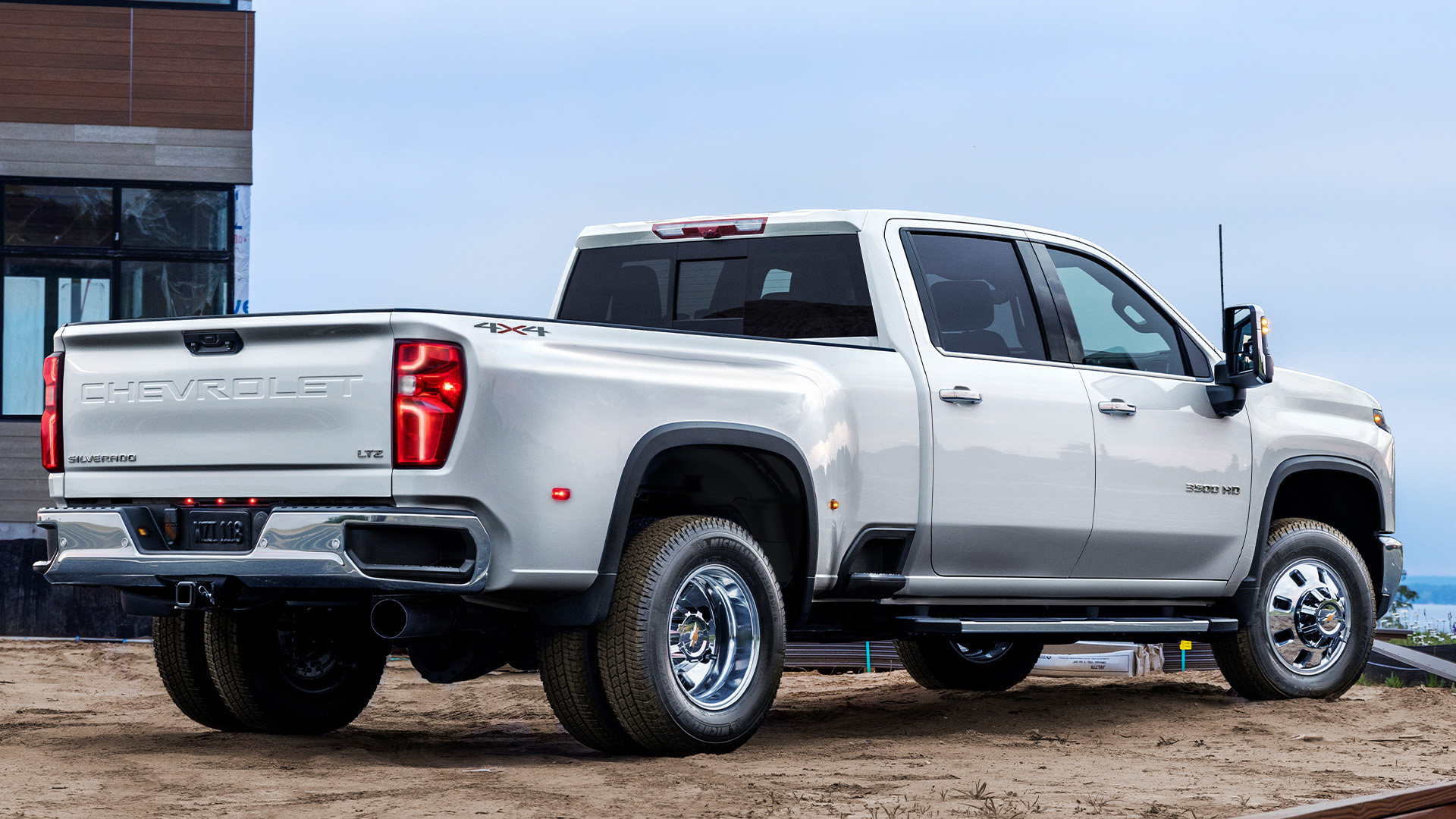
Commercial vehicles are not governed by the same standards as passenger vehicles, which makes sense in certain aspects. However, one area where this does not apply is in terms of safety. Medium and heavy-duty work vehicles are not held to most government safety guidelines, and until now, they haven’t undergone assessments by independent organizations either. The Insurance Institute for Highway Safety is working on rectifying this, as it will soon begin rating commercial vehicles on crash avoidance and the presence of advanced restraints and airbags, which are still not standardized across the board.
This singular fact regarding airbags should indicate how necessary this initiative is. According to the IIHS, there were 6,535 fatalities in accidents involving work vehicles, including medium and heavy-duty trucks and light vans, in 2023. This accounts for 16% of overall road fatalities just three years ago. Most of these deaths involved other road users, which is the reason the IIHS intends to urge manufacturers to incorporate active safety features aimed at preventing collisions from occurring.
While automatic emergency braking and other advanced driver assistance features have become more common in new passenger cars, their prevalence in commercial vehicles remains low. One reason for this is that manufacturers construct these vehicles as blank canvases, allowing clients to customize them with the necessary body or bed. This can complicate the addition of features such as blind spot monitoring when a truck manufacturer doesn’t provide a factory-built bodywork to attach sensors to.
A positive instance of a medium-duty truck featuring such safety enhancements is the Ford F-Series chassis cab. Ranging from the F-350 to the F-600, Ford constructs these vehicles, which fleets purchase en masse before converting them into service vehicles, tow trucks, bucket trucks, etc. Ford includes blind spot monitoring with trailer integration, lane departure alerts, and Pre-Collision Assist with automatic emergency braking as standard, demonstrating that it is indeed achievable.
On the other hand, various manufacturers—particularly those producing heavier trucks—choose not to include these features and essential items like airbags since they are not federally mandated. The IIHS asserts it will apply pressure on manufacturers to create commercial vehicles that surpass the current requirements. Additionally, it will motivate fleets to demand such vehicles to ensure the safety of their drivers and others on the road.
The IIHS is already evaluating cargo vans and Class 3 pickups with gross vehicle weight ratings ranging from 10,001 to 14,000 pounds. It plans to unveil occupant protection ratings this spring, followed by comprehensive crash avoidance assessments. The organization has stated it will broaden its testing to include box trucks and potentially Class 8 semis in future endeavors.
Although I believe most commercial vehicle operators will support enhanced safety measures, this could potentially increase the costs of trucks and vans that are already pricey. Moreover, the repairs resulting from such enhancements could significantly impact expenses and lead to losses due to operational downtime. Manufacturers are aware that this is a major concern for their clientele, so it will be intriguing to observe how the situation evolves.
Have a tip or inquiry for the author? Reach out directly: [email protected]
**IIHS to Initiate Safety Ratings for Commercial Vehicles: Significance and Consequences**
The Insurance Institute for Highway Safety (IIHS) has revealed its plans to commence safety ratings for commercial vehicles, which marks a crucial advancement in improving road safety for drivers and the general public alike. This initiative aims to tackle the distinct challenges and hazards linked to commercial vehicles, which encompass trucks, buses, and vans that are frequently larger and heavier than typical passenger vehicles.
**Significance of Safety Ratings for Commercial Vehicles**
1. **Elevated Road Safety**: Commercial vehicles are involved in a considerable number of incidents annually, frequently resulting in serious injuries or fatalities. By establishing safety ratings, the IIHS aims to equip consumers and fleet operators with essential information about the safety performance of these vehicles, ultimately contributing to safer roads.
2. **Consumer Knowledge**: Just as ratings for passenger vehicles have an impact on consumer decisions, the advent of safety ratings for commercial vehicles will empower businesses to make informed choices when acquiring or leasing vehicles. This transparency can push manufacturers to focus on safety features in their designs.
3. **Regulatory Impact**: Safety ratings may act as a trigger for regulatory shifts. As the IIHS identifies safety shortcomings in commercial vehicles, it could incentivize lawmakers to implement stricter regulations and standards, fostering an environment where safety takes precedence.
4. **Insurance Considerations**: Insurers often take vehicle safety ratings into account when assessing premiums. With the introduction of commercial vehicle ratings, businesses might enjoy lower insurance rates for vehicles that perform well, promoting the uptake of safer models.
**Consequences for Manufacturers and Fleet Operators**
1. **Design Advancements**: Manufacturers are likely to feel encouraged to innovate and improve safety features in their commercial vehicles to secure favorable ratings. This could result in technological advancements, such as enhanced braking systems, collision avoidance technologies, and improved visibility enhancements.
2. **Fleet Management Approaches**: Fleet operators may need to reevaluate their vehicle acquisition strategies. An emphasis on safety ratings could lead to a realignment in purchasing decisions, with an inclination towards vehicles that exhibit excellent safety performance.
3. **Training and Compliance**: As safety ratings become a regular consideration, fleet operators might need to invest in training initiatives that focus on safe driving practices and adherence to safety regulations, further promoting a culture of safety within their organizations.
4. **Market Rivalry**: The rollout of safety ratings could heighten competition among manufacturers. Companies prioritizing safety in their commercial vehicle offerings might attain a competitive advantage in the market, influencing consumer preferences and boosting sales.
**Conclusion**
The IIHS’s choice to commence safety ratings for commercial vehicles signifies a pivotal development in the quest for enhanced road safety. By offering valuable insights into the safety performance of these vehicles, the initiative is anticipated to cultivate a safety-oriented culture among manufacturers, fleet operators, and consumers as well. As the program progresses, monitoring its effect on accident rates, insurance practices, and overall road safety will be critical, ultimately contributing to a safer driving environment for all.